Industrial-Grade Power Transfer Engineering & Global Supply Chain Integrity
In modern critical infrastructure—spanning hyperscale data centers, distributed photovoltaic microgrids, clinical healthcare facilities, and automated manufacturing plants—the generator transfer switch (GTS/ATS) serves as the primary arbiter of electrical continuity. Sourcing engineering-grade transfer mechanisms requires deep alignment with IEC 60947-6-1 standards, thermal trip curve coordination, breaking capacities under harsh short-circuit conditions, and seamless integration between diesel generators, grid transformers, and battery energy storage systems (BESS). Zhejiang Graybar Electric Co., Ltd. stands at the nexus of precision component manufacturing and custom switchgear engineering.
Featured Generator Transfer Switches & Protection Devices
Discover our high-reliability transfer switches, interlocking breakers, and motor contactors rigorously tested for global OEM and distribution applications.
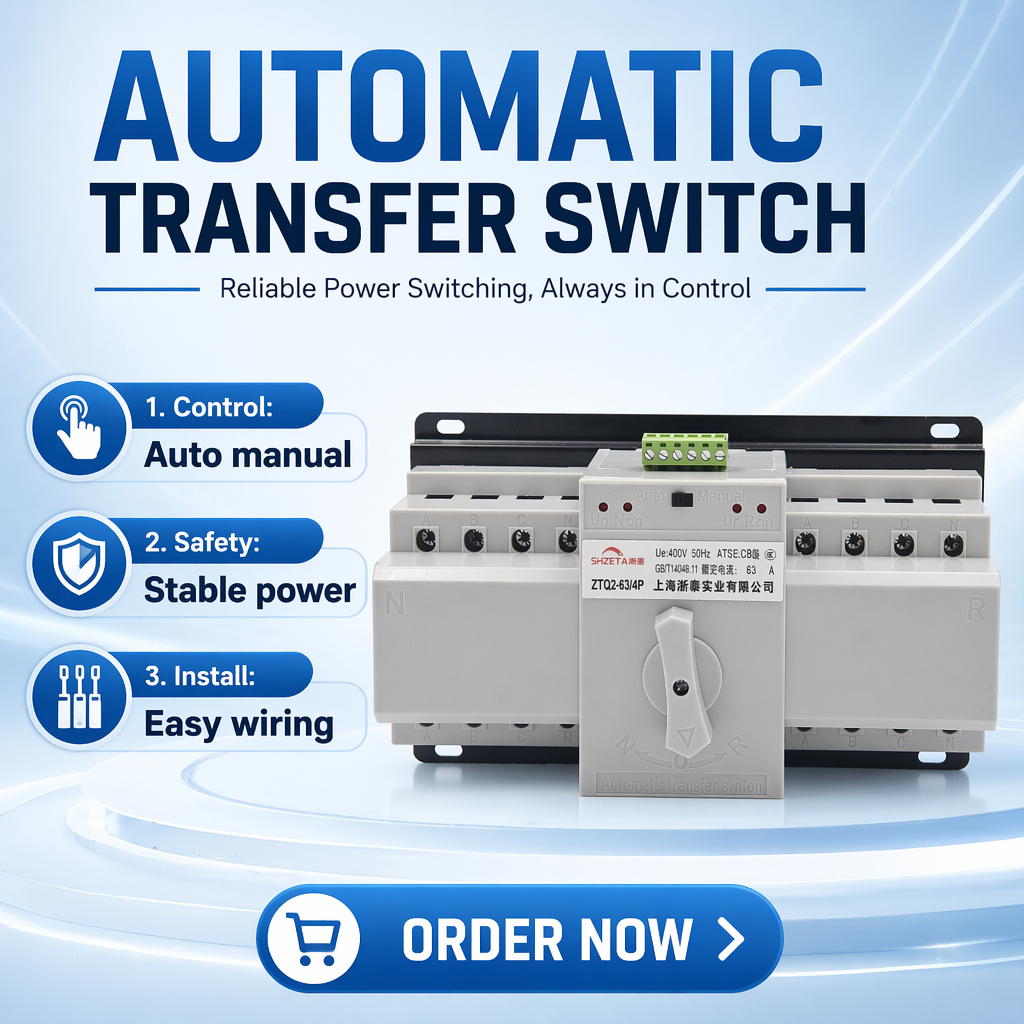
ATS PC Three Phase 4P 63A 400V 5kA Dual Power Automatic Changeover
- Switching Class: PC Class (Direct)
- Poles & Voltage: 4-Pole / 400V AC
- Breaking Capacity: 5 kA Interrupting
- Duty Rating: Solar & Gen Backup
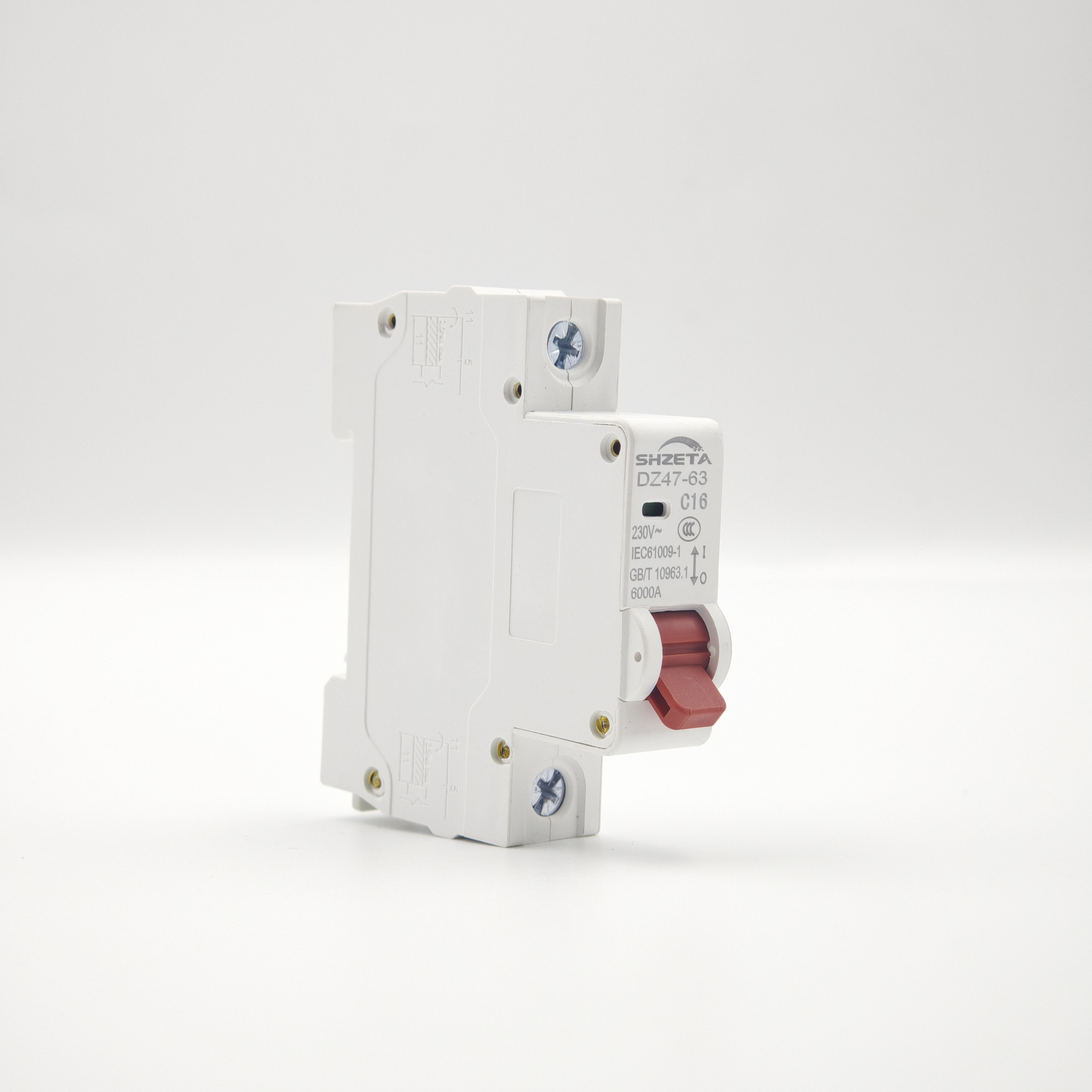
Mini Circuit Breaker 1P+N to 4P Mechanical Interlocking DC MCB
- Interlock Type: Fail-Safe Mechanical
- Poles Available: 1P+N, 2P, 3P, 4P
- Frequency / Type: 50/60Hz AC & DC
- Primary Purpose: Manual Dual-Source Isolator
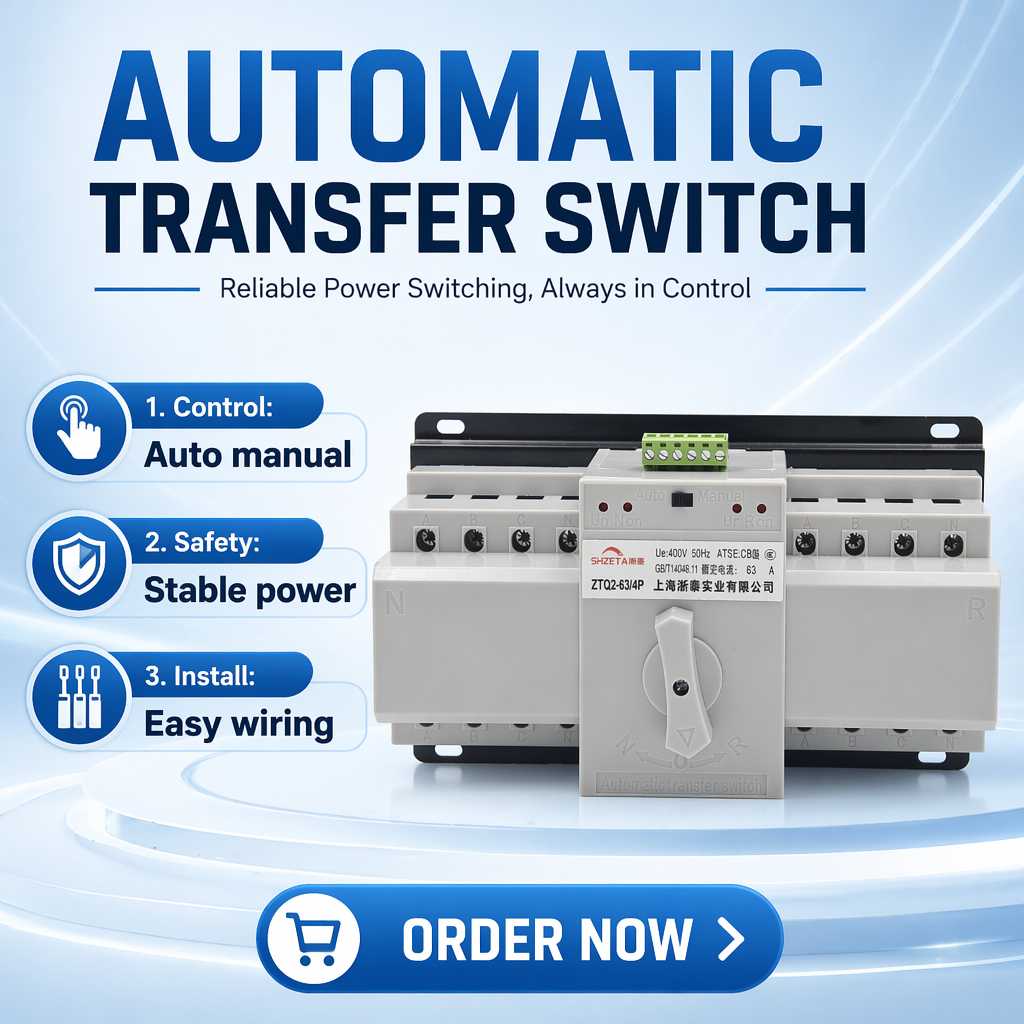
4P 63A Manual Changeover Switch with Circuit Breaker Interlock
- Current Rating: 63A Cont. Thermal
- Topology: Breaker Type (CB)
- Switching Action: I-0-II Center-Off
- Applications: Residential & Commercial
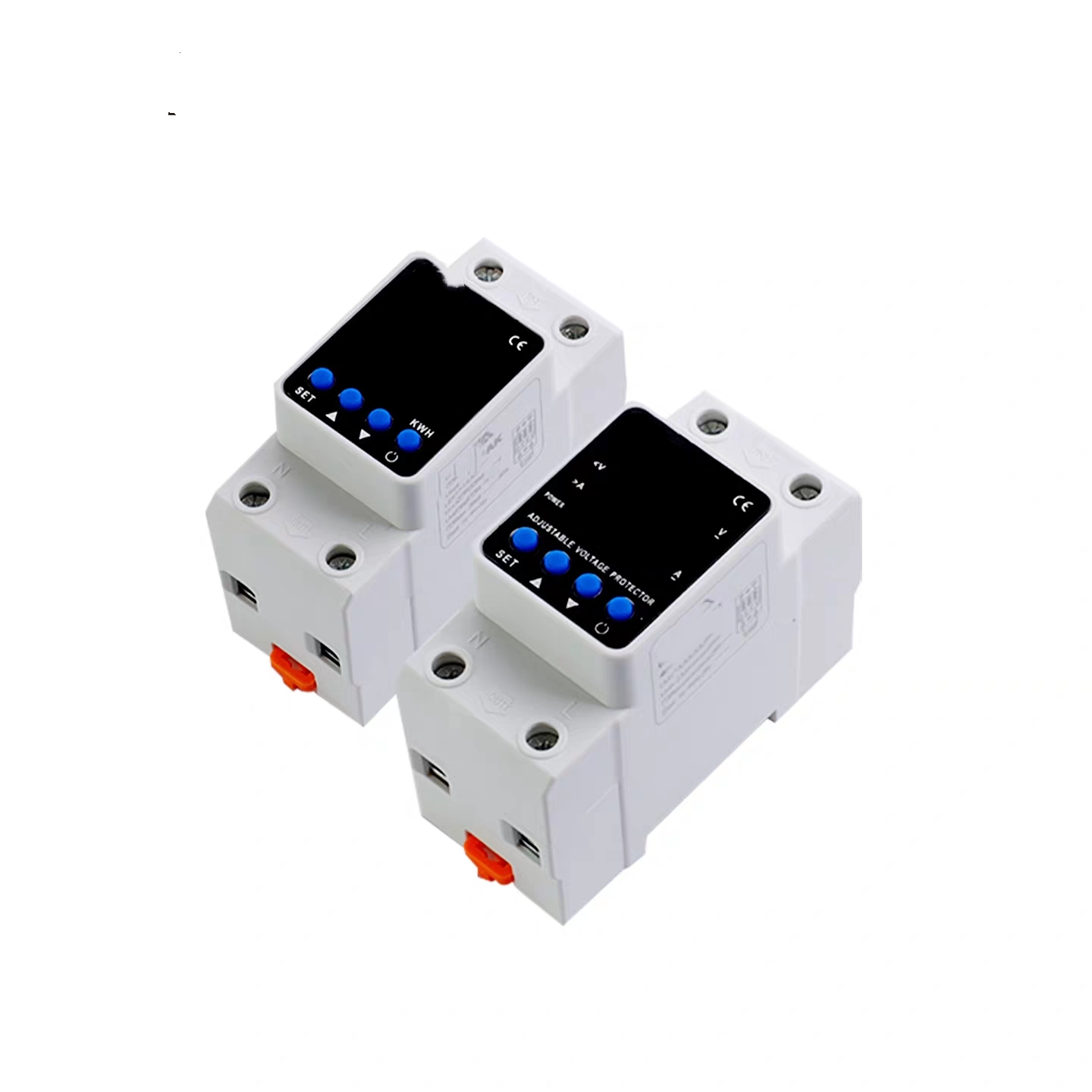
Single-Phase Overcurrent & Undervoltage Protector AC 220V 32A-100A
- Operating Range: AC 220V / 32A to 100A
- Telemetry: Digital LED Display
- Response Time: < 0.5s Tripping
- Function: Genset Power Quality Gate
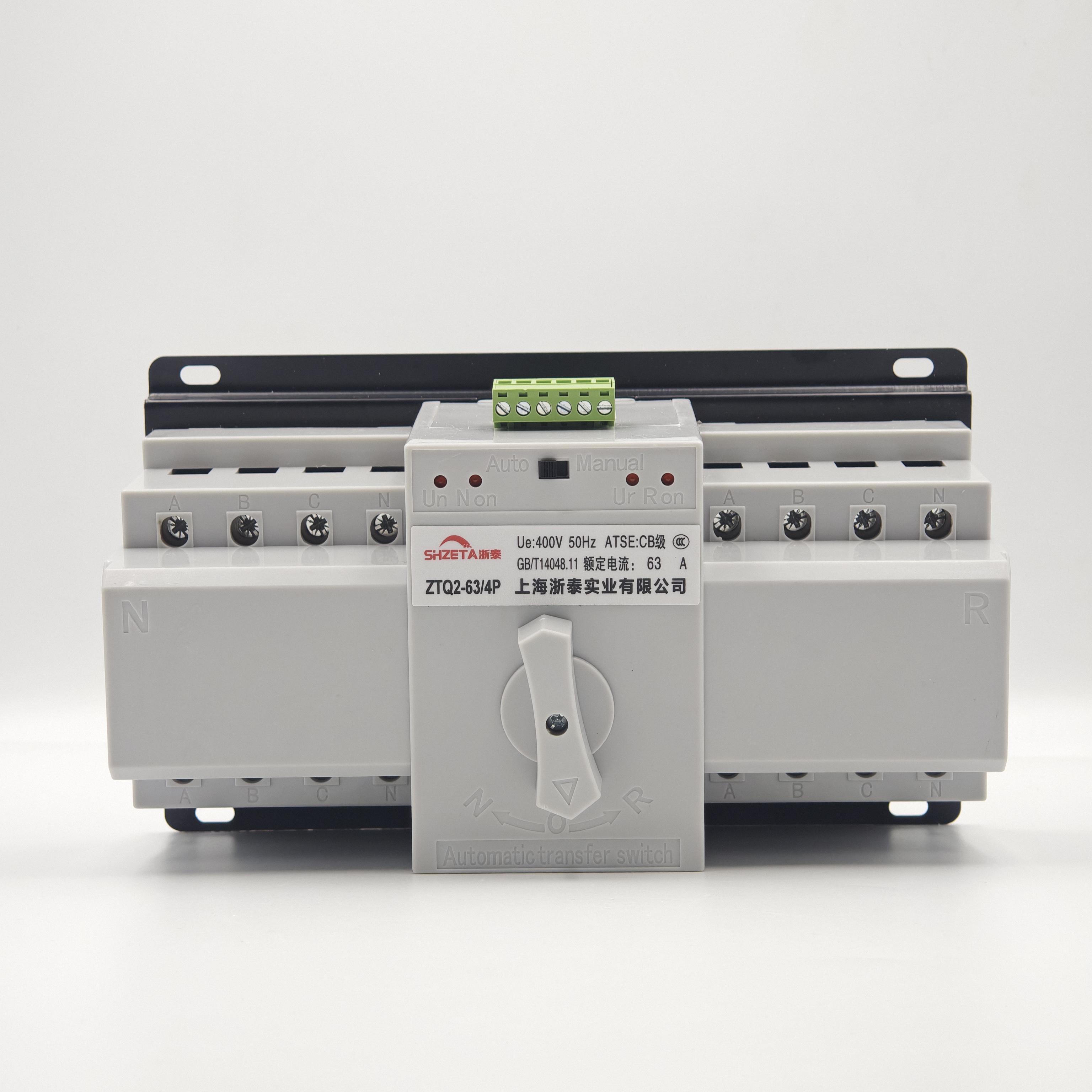
63A 4P Automatic Transfer Switch Dual Power 400V CB Class for Solar
- Switching Class: CB Class Integrated
- System Specs: 400V 4-Pole 63A
- Integration: Solar Inverter / Gen / Grid
- Transfer Duration: < 2.5s Total Transition
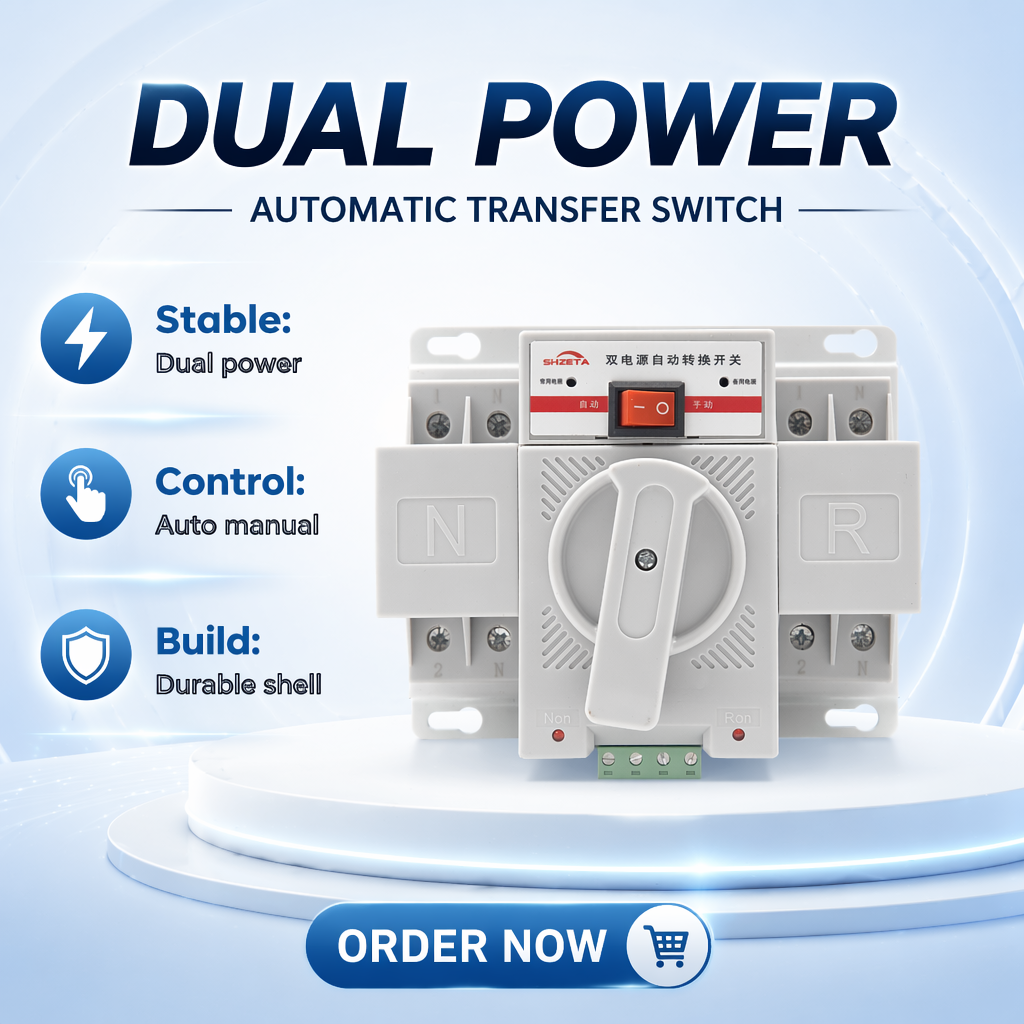
DIN Rail 2P ATS Dual Power Uninterrupted Selector Switch 63A 230V
- Mounting: Standard 35mm DIN Rail
- Rated Voltage: 230V 50/60Hz Single Phase
- Breaking Capacity: 3 kA Domestic / Light Comm
- Switching Speed: < 50ms Seamless Transfer
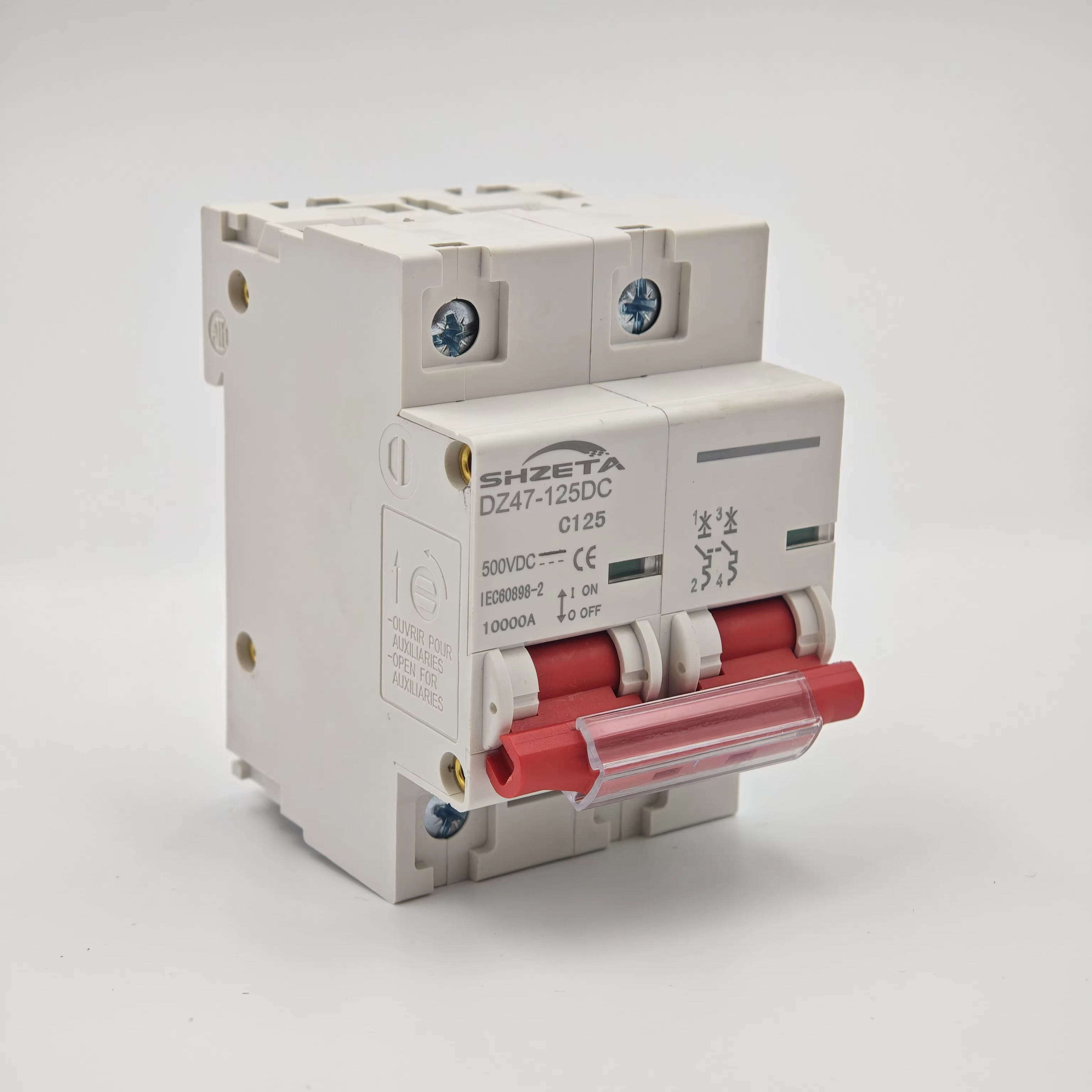
2P 80A-125A DC MCB 500V Photovoltaic Main Isolation Switch
- Direct Voltage: 500V DC High Dielectric
- Thermal Amperage: 80A / 100A / 125A
- Trip Curve: C-Curve Calibrated
- Compatibility: PV Combiner & ESS Lines
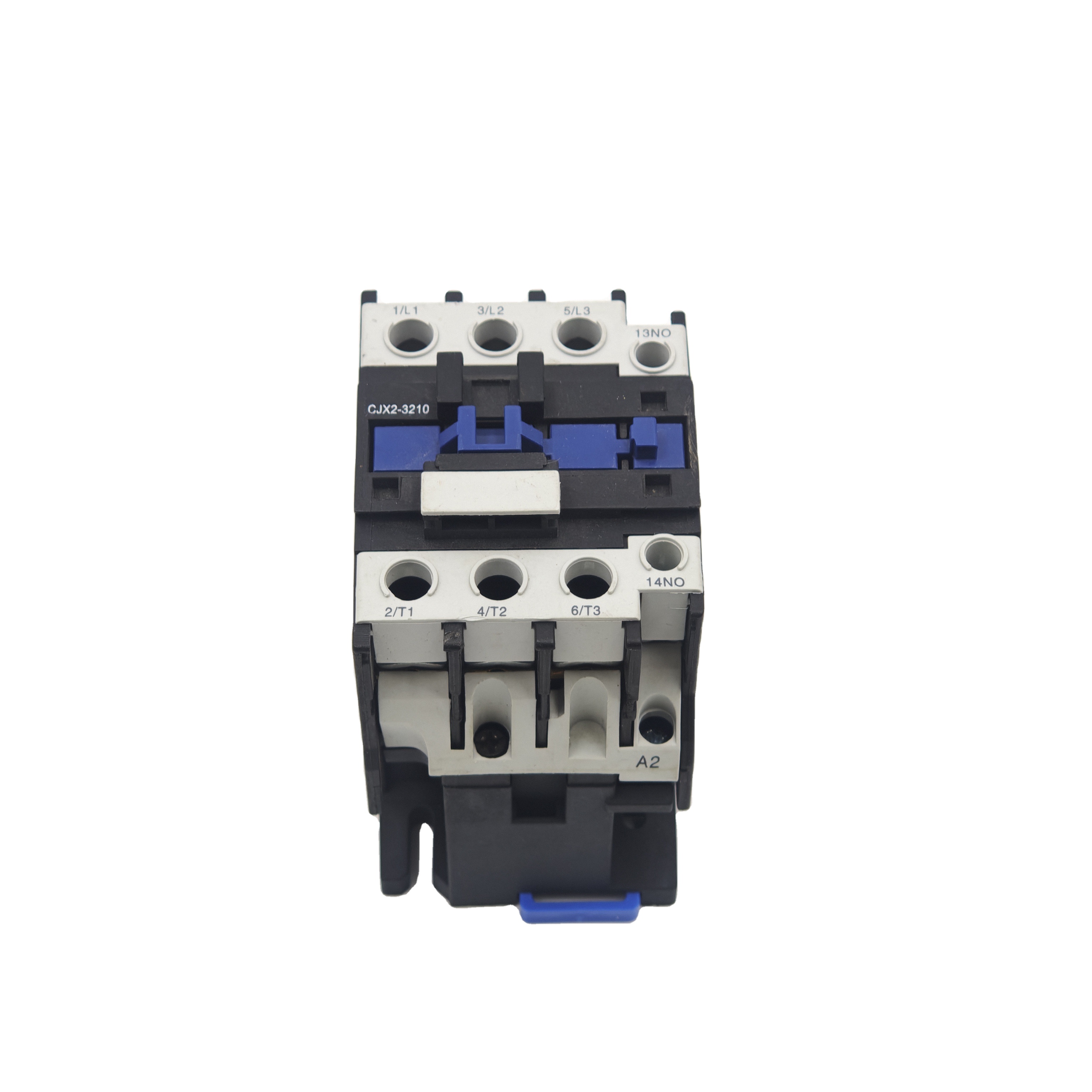
CJX2-1210 3-Phase Magnetic Contactor 220V Coil 380V 12A Control
- Operating Category: AC-3 / AC-4 Heavy Duty
- Control Coil: 220V AC 50/60Hz
- Interlocking: Pairs with Gen-Start Relays
- Endurance: 10,000,000 Mechanical Cycles
Emerging Procurement Vectors in Generator Transfer Switch Systems
Global procurement teams are moving beyond basic unit cost to evaluate systemic resilience, grid compliance, and lifecycle carbon intensity. Here are the macroeconomic and engineering forces redefining the transfer switch sector.
Multi-Source Hybrid Synchronization (Grid-PV-BESS-Genset)
Traditional two-source (Utility-to-Genset) architectures are rapidly giving way to 3-way and 4-way microgrid switching. EPC contractors require transfer switches capable of coordinating high-voltage solar strings, inverter-based battery storage, and reciprocating engine generators without back-feeding or phase-angle mismatch.
IoT Edge Telemetry & Predictive Maintenance
Modern procurement specifications mandate onboard Modbus-RTU, BACnet, or Ethernet-based telemetry. Real-time logging of contact resistance, arc-chute erosion, temperature rises across silver contact pads, and cycle counts allows facility engineers to replace worn parts before disastrous transfer failures occur.
Stringent Neutral Switching & Harmonic Protection
Non-linear IT loads and variable-frequency drives inject heavy 3rd-order harmonic currents into the neutral line. Switchgear specifiers now preferentially procure 4-Pole (True 4P) transfer switches with overlapping neutral or fully rated 100% neutral poles to eliminate ground-fault trip anomalies during transfer cycles.
PC-Class vs. CB-Class: Architectural Selection & Breaking Mechanics
A rigorous breakdown of internal breaking mechanisms, contact metallurgy, and fault-current handling dynamics to guide consulting engineers and procurement heads.
| Evaluation Parameter | PC-Class Transfer Switch | CB-Class Transfer Switch | Graybar Engineering Standard |
|---|---|---|---|
| Internal Structure | Dedicated mechanical changeover with solenoid or motor drive; no internal overcurrent trips. | Constructed from two interconnected circuit breakers (MCBs or MCCBs) with mechanical linkage. | Optimized Dual Offering |
| Short-Time Withstand (Icw) | Extremely high withstand capability (up to 100kA for 30–60ms without contact separation). | Limited by the instantaneous magnetic trip threshold of the constituent circuit breakers. | Exceeds IEC 60947-6-1 Category AC-33B thresholds. |
| Overcurrent Protection | Requires upstream protection coordination (fuses or selective upstream breakers). | Self-contained thermal-magnetic or electronic trip units handle branch fault mitigation. | Integrated modular thermal sensors available on request. |
| Switching Latency | Sub-50ms (ultra-fast solenoid drive models) avoiding dropped PLC or computing loads. | 1.5s to 3.5s (motorized rotary mechanism cycling between breaker toggle handles). | Custom tuned actuators from 30ms to 2.5s transfer times. |
| Ideal Application | Hospitals, data centers, telecom towers, zero-tolerance continuous process lines. | Commercial buildings, standby gensets, solar combiner distribution panels. | Full customization based on project single-line drawings (SLD). |
In-Phase Monitor (Synchro-Check) Systems
When transferring high-inertia inductive loads such as central chilled water pumps or elevator motors, transferring out-of-phase can generate transient shaft torques 20 times normal running torque. Next-generation ATS units integrate microsecond synchro-check logic to command transfer strictly when source waveforms match within ±5 electrical degrees.
Solid-State Hybrid Switching Evolution
Static Transfer Switches (STS) utilizing Silicon Controlled Rectifiers (SCRs) provide sub-cycle (4ms) switching but suffer from continuous forward conduction heat losses. Emerging hybrid switches leverage parallel solid-state commutation paths to extinguish arc flashes during transition, followed immediately by mechanical silver-contact bypass to ensure 99.9% energy efficiency.
Silver-Cadmium (AgCdO) & AgSnO2 Metallurgy
To prevent contact welding under extreme inrush and locked-rotor currents, Zhejiang Graybar employs vacuum-sintered Silver Tin Oxide (AgSnO2) contact tips. This metallurgical composition resists high-energy electrical erosion, offers self-cleaning arc behavior, and maintains contact resistance below 2 milliohms over 10,000 full-load electrical cycles.
Why Global Switchgear Leaders Source From Zhejiang Graybar
Situated in Huangyu Village, Liushi Town, Wenzhou—China's universally acknowledged capital for low-voltage electrical apparatus—Zhejiang Graybar Electric Co., Ltd. leverages the ultimate cluster economy. We combine deep supply chain integration with certified testing laboratories to offer global buyers decisive engineering and cost advantages.
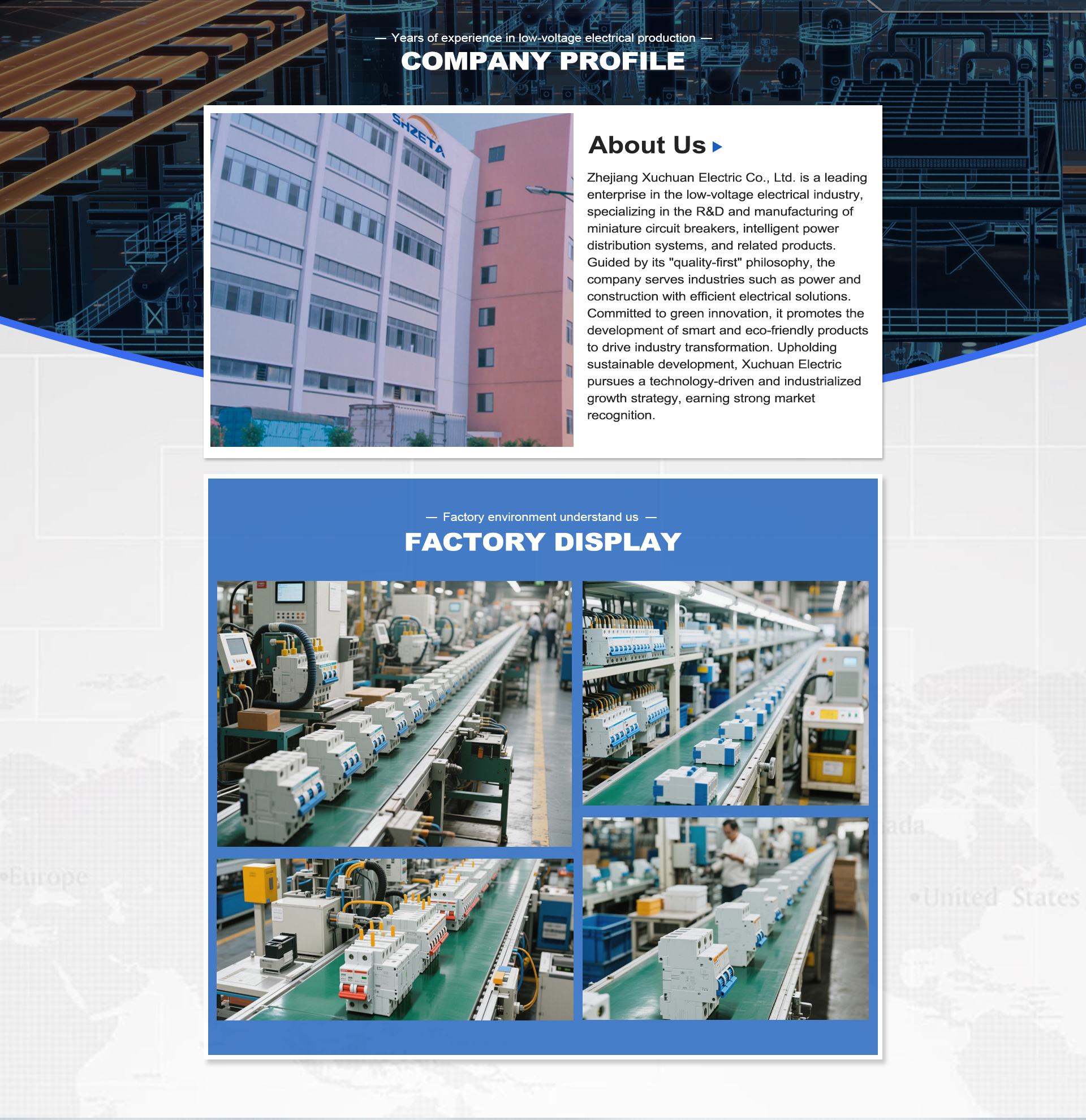
- Vertically Integrated Manufacturing: Precision plastic injection tooling, bimetal stamping, silver-brazing, and dynamic automated calibration housed in a single consolidated facility.
- Third-Party Authenticated Verification: Production premises, automated lines, and trading capacity audited on-site by premier international inspection agencies.
- Exhaustive Pre-Shipment Quality Testing: 100% testing of dielectric insulation (2500V 1 min), contact resistance profiling, mechanical endurance, and trip timing under artificial thermal stress.
- Agile Minimum Order Quantity (MOQ): Rapid prototyping support with sample orders starting from 1 to 5 pieces, scaling reliably to monthly 40HQ container shipments.
- Comprehensive OEM/ODM Engineering: Custom enclosure laser-marking, bespoke coil voltage winding (12V, 24V, 110V, 220V, 380V), and personalized multi-language operating manuals.
Frequently Asked Questions by Electrical Engineers & Sourcing Managers
Direct technical answers addressing the most intricate single-line diagram design questions and export verification challenges.
What is the critical engineering difference between Open Transition and Closed Transition generator transfer switches?
Why is 4-Pole (4P) switching mandatory in systems with multiple separately derived neutral-ground bonds?
How does ambient temperature and duty cycle derating affect ATS installation inside sealed switchboards?
What are the definitive international testing regimes under IEC 60947-6-1 and how do they differ from UL 1008?
Can Graybar transfer switches handle automated starting and cooldown cycles for diesel and gas gensets?
What documentation and inspection protocols accompany export orders from Zhejiang Graybar Electric?
Accelerate Your Project With Factory-Direct Engineering Support
Whether you are engineering a multi-megawatt microgrid switchgear line, looking for cost-competitive OEM private-label branding, or need fast-tracked container shipments of DIN-rail transfer switches, our technical engineering desk in Liushi, Wenzhou is prepared to assist. Send your single-line diagrams or bill of materials today.