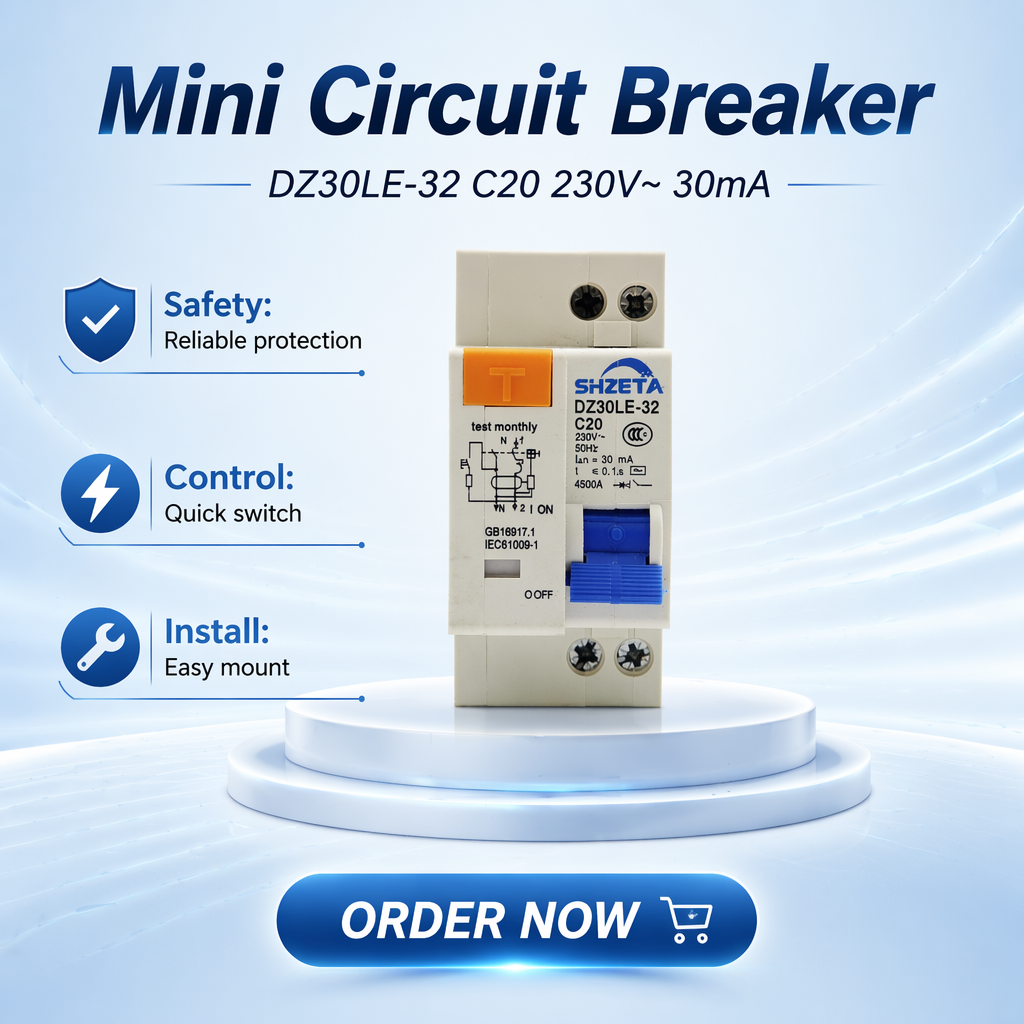
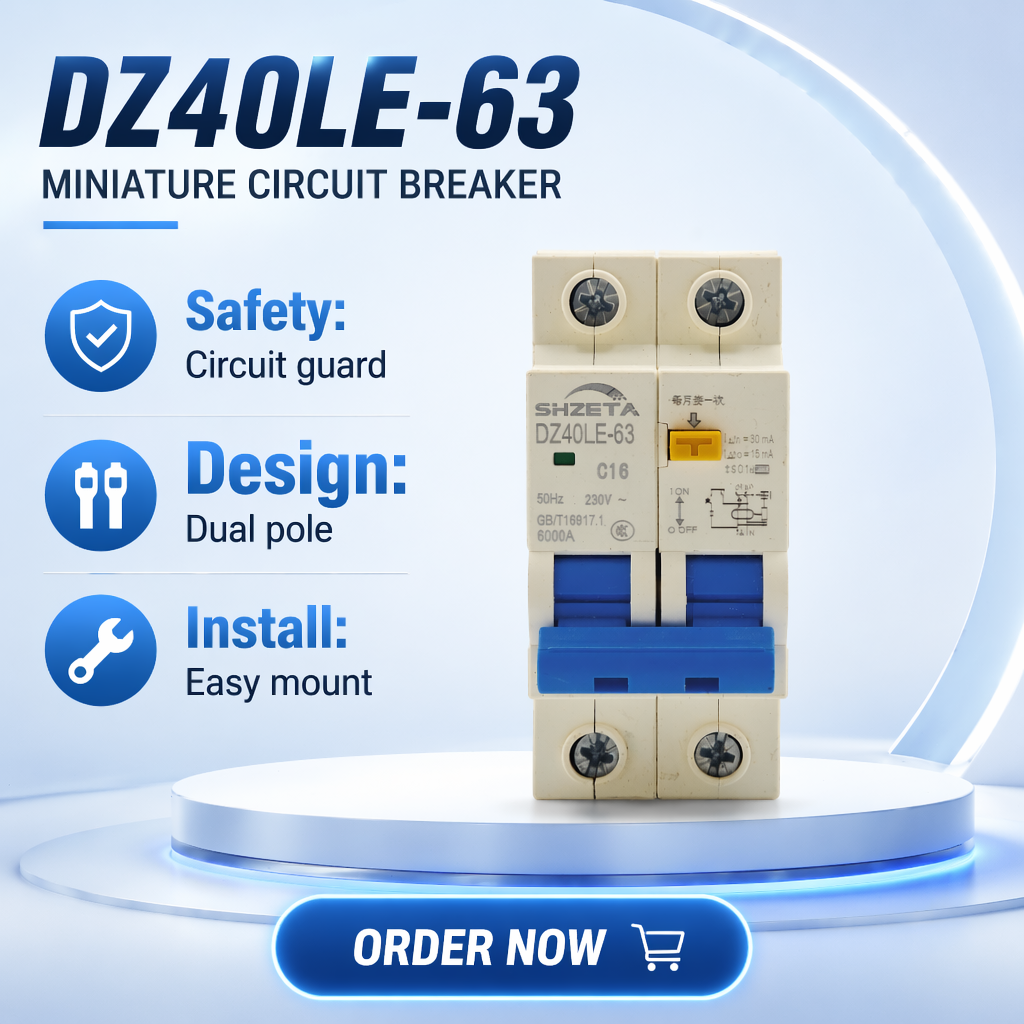
DZ30LE-32A Circuit Protection System
Rated Current: Up to 32A
Application: Hotels, Commercial Lighting
Mounting: 35mm Standard DIN Rail
Product Technical Data
Engineered for panel builders, electrical contractors, OEM switchgear aggregators, and component wholesalers. Direct export configurations conforming to global test protocols.
A rigorous architectural guide to isolating faults, thermal magnetic response matching, and prospective short-circuit validation across commercial and industrial modular switchboards.
| Modular Equipment Category | Standard Framing (In) | Trip Curve Profiles | Ultimate Breaking (Icu/Icn) | IEC Reference Protocol | Strategic Installation Point |
|---|---|---|---|---|---|
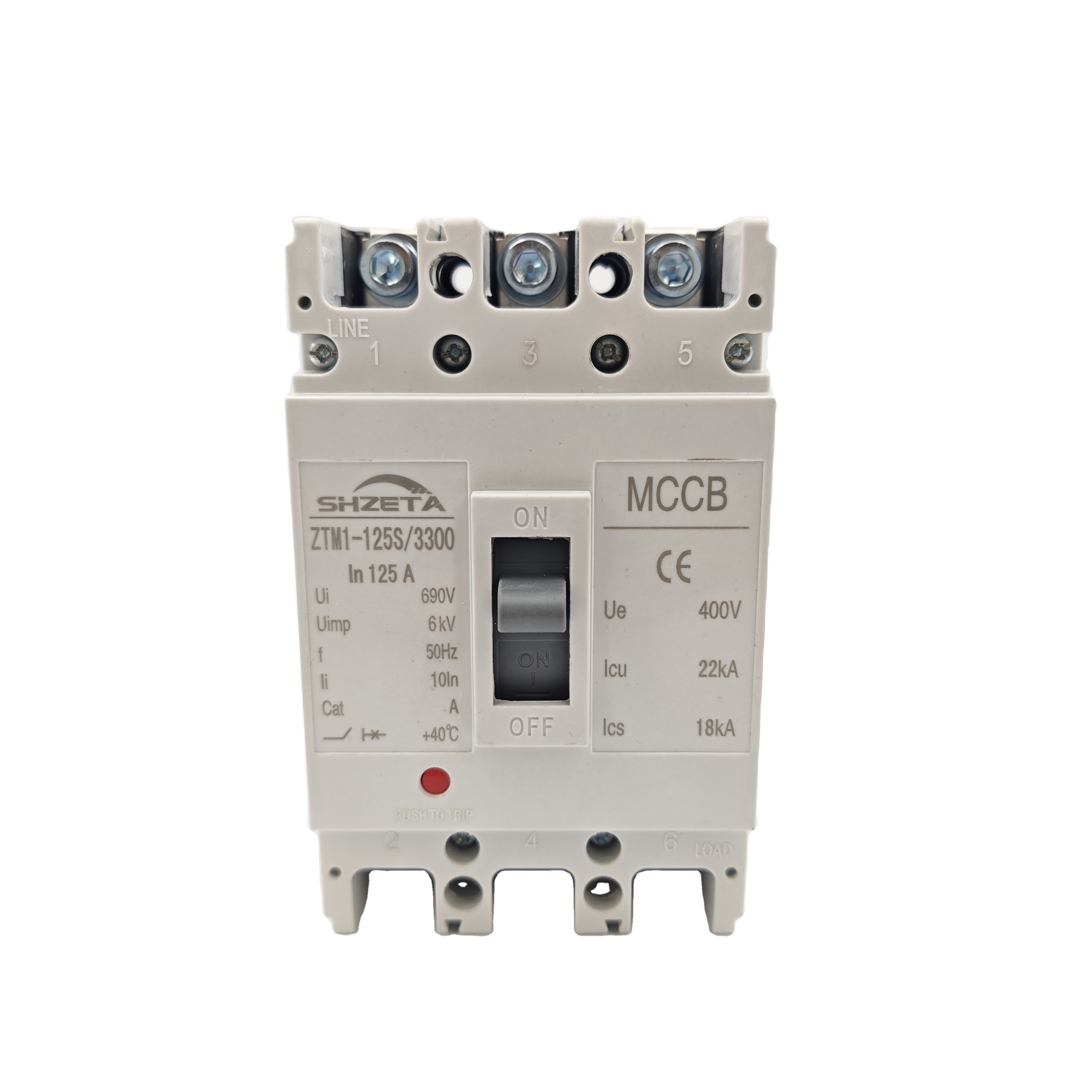
| Miniature Circuit Breakers (MCB) | 0.5A – 63A (1P, 2P, 3P, 4P) | Type B (3-5 In), Type C (5-10 In), Type D (10-14 In) | 4.5kA, 6kA, 10kA (IEC/EN 60898-1) | IEC/EN 60898-1, IEC 60947-2 | Terminal distribution boards, branch circuits, local control panels |
| DC Photovoltaic MCB | 10A – 63A (Up to 1000V DC) | Type C, Type D (Arc chute augmented) | 6kA, 10kA DC Rupture | IEC 60947-2, GB/T 14048.2 | Solar combiner boxes, string inverters, battery backup racks |
| Residual Current Breaker w/ Overload (RCBO) | 6A – 40A (1P+N, 2P) | Type A (Pulsating DC), Type AC (Pure AC) | 6kA, 10kA (Idn: 30mA, 100mA, 300mA) | IEC/EN 61009-1 | High-risk shock zones: hospitality, medical suites, damp retail spaces |
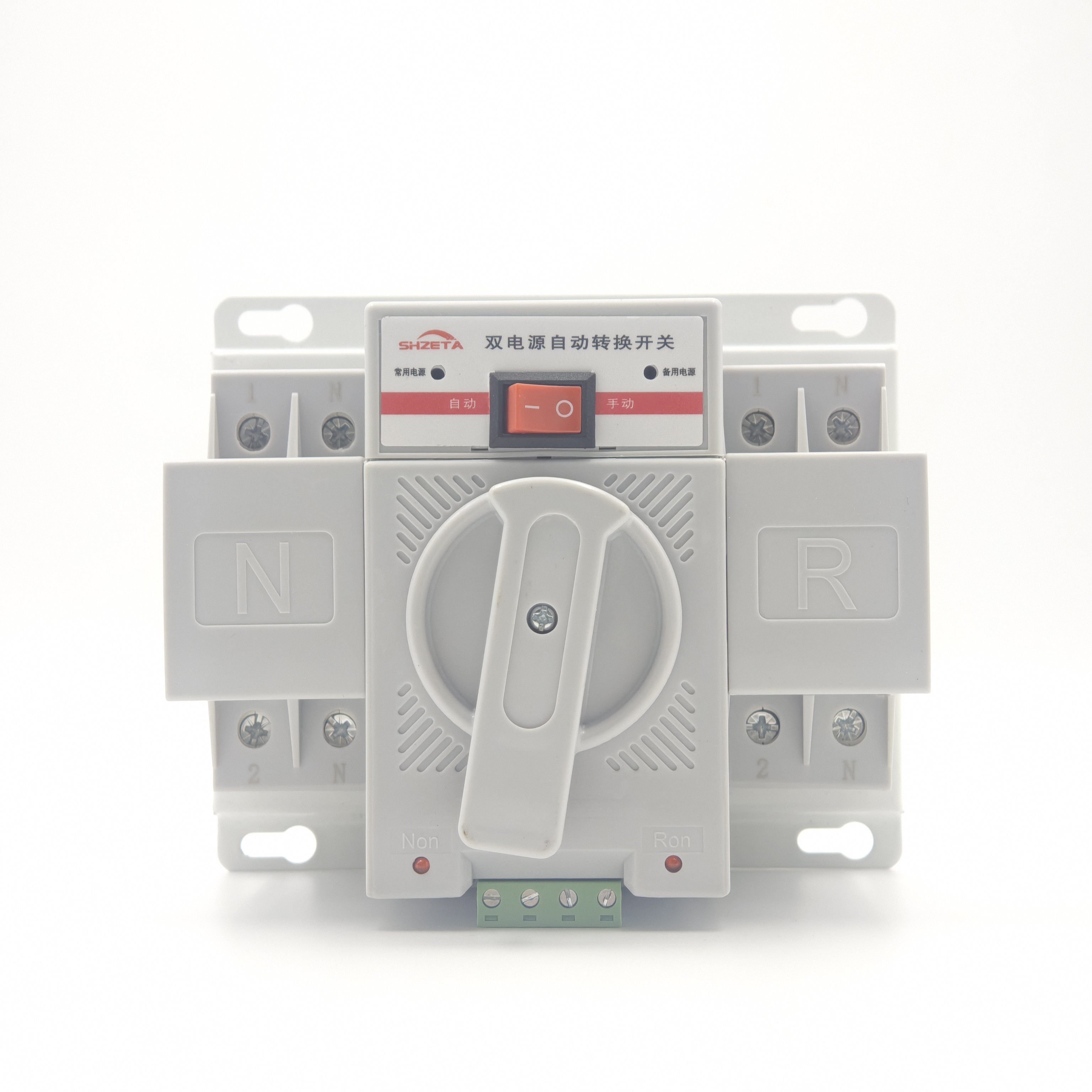
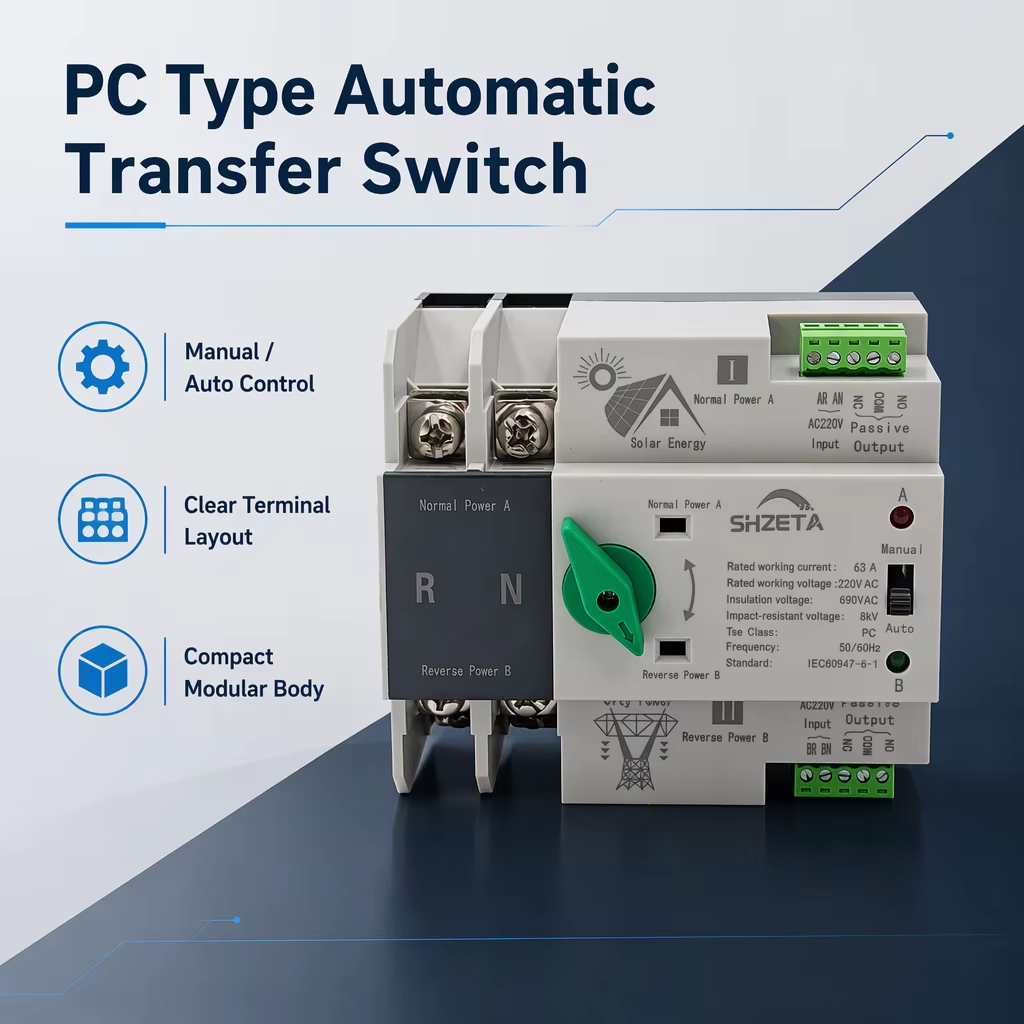
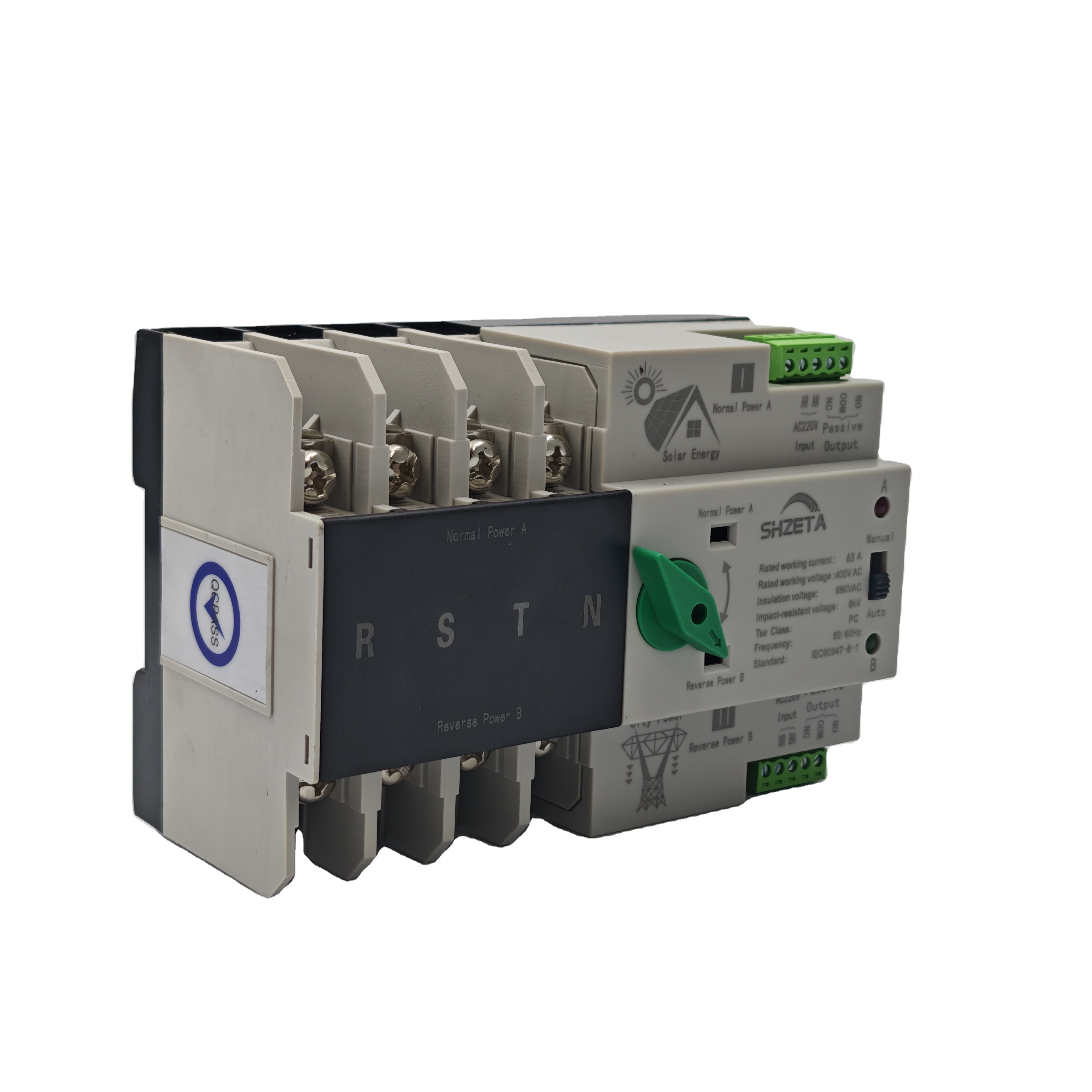
| Modular Automatic Transfer Switches (ATS) | 16A – 125A (2P, 4P Modular) | Class PC (Continuous Current Withstand) | 5kA – 10kA Conditional | IEC 60947-6-1 | Dual utility-genset panels, automated solar-to-grid changeover |
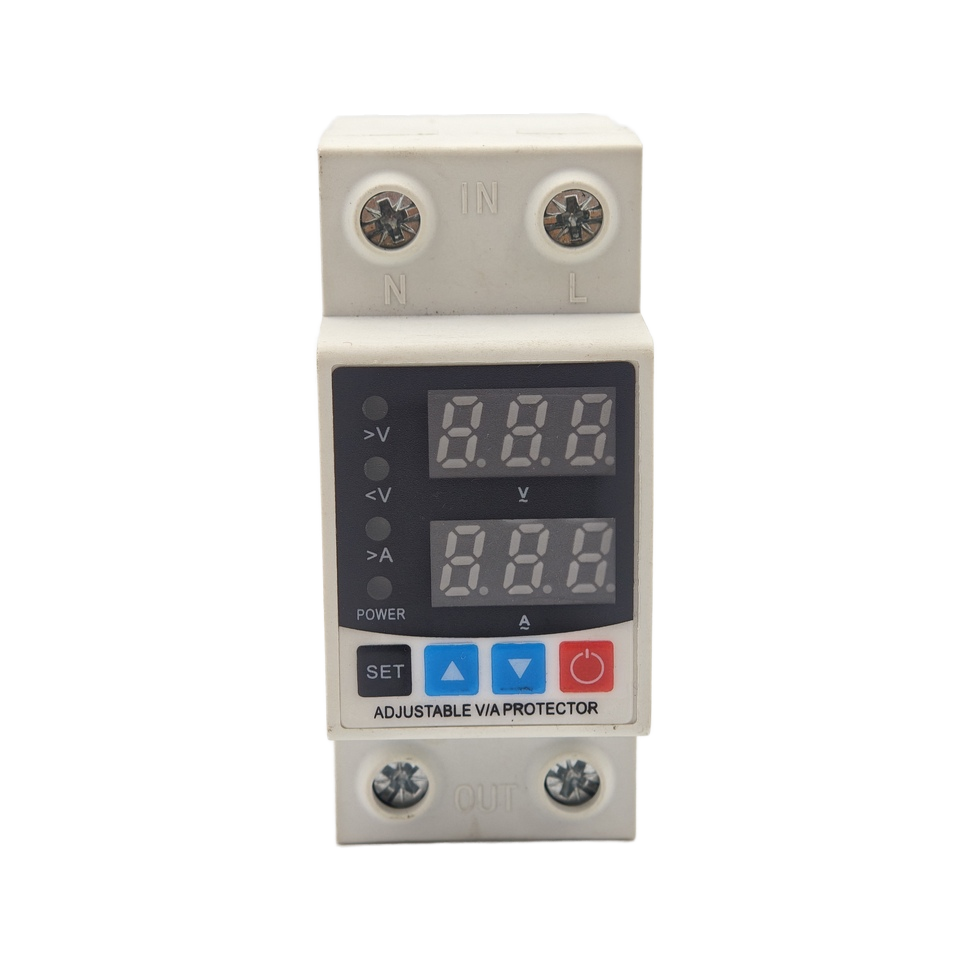
| Adjustable Self-Recovery Protectors | 32A – 80A (Single Phase) | Voltage-Threshold Delay Trip & Reclose | Surge & Transient Suppressing | IEC 61000-4-5 Component Level | Unstable rural grids, edge telecommunication equipment, remote sites |
When selecting miniature circuit protection manufactured in China's specialized electrical clusters, international procurement officers must distinguish between IEC 60898-1 (for domestic and residential installations operated by uninstructed persons) and IEC 60947-2 (for industrial applications overseen by qualified engineers). The primary difference lies in the short-circuit testing criteria: IEC 60898-1 enforces service breaking capacity (Ics) equal to or closely approximating ultimate breaking capacity (Icn), whereas industrial breakers are tested under Icu regimes where operational continuity after extreme clearing is governed under different duty cycles.
Furthermore, internal physical architecture dictates breaking efficiency. Premium Chinese DIN rail breakers leverage silver-graphite contact tips (AgC) rather than pure copper or copper-plated alternatives, preventing contact welding during rapid sub-cycle thermal expansions. Flame-retardant polyamide bodies (such as Polyamide 66 reinforced with glass fibers) maintain dimensional stability at internal arc chamber temperatures exceeding 960°C, an essential benchmark passed through standard glow-wire flammability verification.
Direct from Huangyu Village, Liushi Town, Wenzhou—the globally recognized epicenter of low-voltage electrical apparatus. We combine geographic supply agility with rigorous, verifiable quality engineering.
Situated in China's premier electrical ecosystem, Graybar maintains immediate, vertically integrated access to precision stamping tools, automated injection molding of PA66 housings, and pure copper magnetic coils. This structural proximity eliminates supply chain friction, yielding unmatched delivery speed and component batch uniformity.
Every batch undergoes non-negotiable verification prior to export boxing: incoming raw material metallurgy checks, automated thermal bimetal calibration, instantaneous magnetic trip response curves, and high-potential dielectric breakdown resistance. Quality logs provide unbroken traceability from base materials to final container sealing.
Recognizing the risks associated with high-volume import transitions, we support global distributors with starting MOQs as low as 5 pieces for standard MCB/MCCB lines and 1 unit for industrial ACBs. Our complete private-labeling package encompasses laser marking, customized tripping characteristics, multi-language retail packaging, and regional compliance documentation.
Market dynamics, regulatory ratchets, and technology transitions redefining how commercial distributors and panel builders specify modular protection devices.
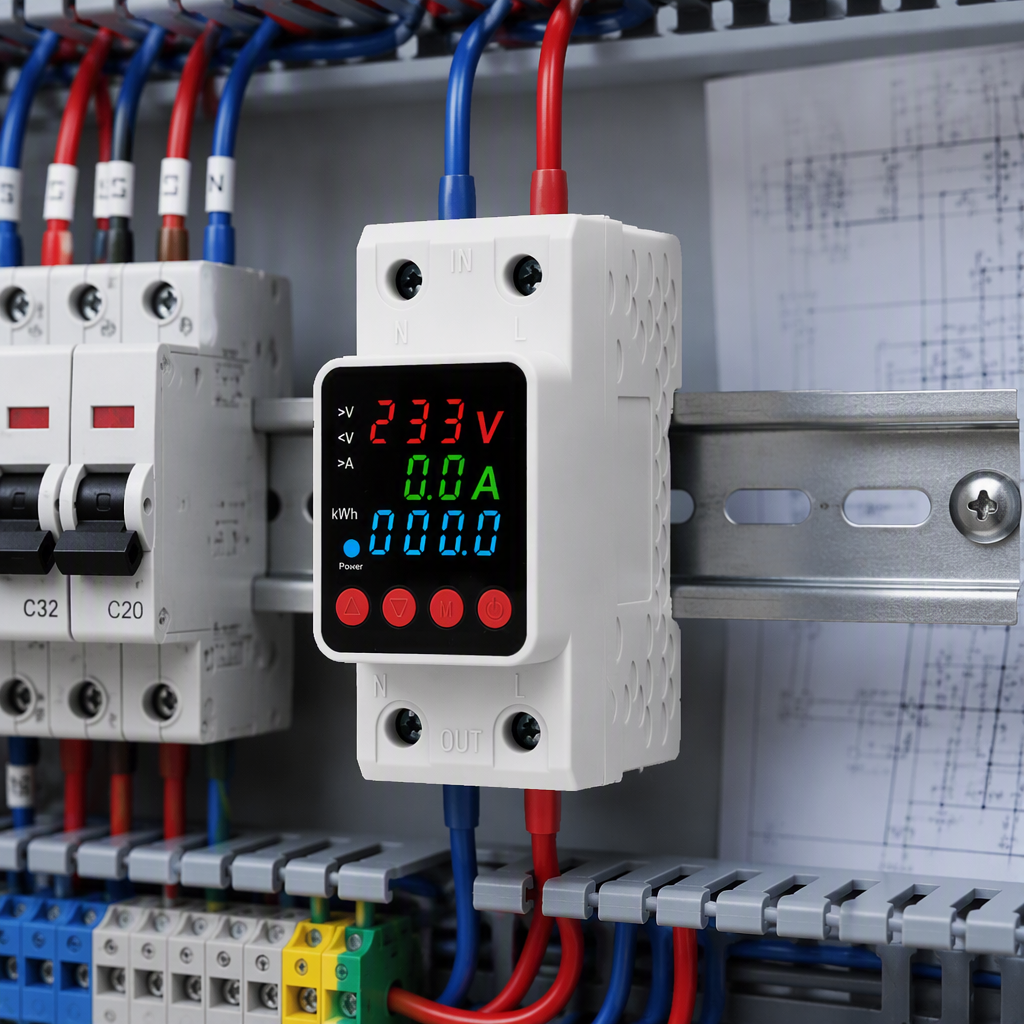
The traditional mechanical DIN rail breaker is rapidly evolving into an active data node. Modern procurement requests increasingly mandate integrated Wi-Fi, RS485 Modbus, or Zigbee microchips within standard 18mm DIN rail form factors. These smart breakers facilitate real-time kWh metering, remote line disconnection, and predictive fault warning via cloud platforms, transforming building energy management systems (BEMS).
With global adoption of distributed solar PV, battery energy storage systems (BESS), and DC microgrids, procurement patterns are pivoting decisively from standard AC breakers to dedicated DC-rated units. Extinguishing a direct-current arc requires specialized magnetic blowout coils and elongated arc splitters to clear sustained non-zero-crossing currents up to 1000V DC without device rupture.
Cabinet real estate has become a critical engineering constraint. Rather than assembling disparate devices on a DIN rail (MCB + Shunt + Surge + Under-voltage relay), the industry is migrating toward unified modular units such as combined RCBOs and self-reclosing voltage guardians. Sourcing teams prioritize all-in-one architectures that reduce cabinet wiring time, lower labor overhead, and minimize thermal derating within enclosed consumer units.
Straightforward answers addressing compliance verification, factory auditing, minimum volumes, and engineering logistics.