Precision Low-Voltage Protection & Intelligent Transfer Engineering for Global Critical Power
< 3 ms
Arc Extinction Response
100%
Dielectric Routine Tested
10 kA - 120 kA
Certified Breaking Capacity
IEC 60947-2
Global Compliance Standard
Engineered Circuit Protection Portfolio
Direct OEM & Industrial Supply: High-breaking capacity moulded case circuit breakers, residual current protections, and dual-power ATS units engineered in Liushi, Wenzhou.
Technical Evaluation: The Evolution of China's Low-Voltage Breaker Industry
The global switchgear, panel building, and critical infrastructure sectors demand circuit interruption devices capable of handling complex fault dynamics. Zhejiang Graybar Electric Co., Ltd., based in Liushi Town, Wenzhou—the world's most concentrated low-voltage electrical industrial cluster—operates at the epicenter of this technological shift. Historically viewed primarily as an economical production hub, leading Chinese circuit breaker manufacturers have transitioned toward precision thermodynamics, high-performance arc-extinction simulation, and certified metallurgical consistency.
Industrial procurements are transitioning from basic thermal-magnetic miniature circuit breakers (MCBs) toward integrated smart solutions. With renewable energy penetration (PV and wind), high-harmonic loads from variable frequency drives, and rapid deployment of EV fast-charging corridors, low-voltage distribution networks experience unprecedented electrical stresses. Breakers must provide dual-rated AC/DC interrupt capability, withstand high transient overvoltages, and ensure zero-blind-spot selectivity under extreme prospective fault currents.
Silver-Cadmium Oxide vs. AgSnO2
Strict implementation of eco-compliant AgSnO2 (silver-tin oxide) micro-contacts to deliver enhanced anti-welding properties during 10kA+ short-circuit events.
High-Degradation Arc Chutes
Multi-plate de-ionizing arc extinction chambers fabricated from specialized vulcanized fiber and magnetic splitter plates that quench arcs in under 3 milliseconds.
Flame-Retardant Thermoset Resins
Moulded cases synthesized from high-grade BMC/DMC compounds providing exceptional glow-wire flammability indices (GWFI up to 960°C) and robust dielectric isolation.
Global Procurement Trends: Navigating the 2025–2030 Horizon
For international EPC contractors, panel builders, and electrical wholesalers, procuring circuit breakers from Chinese suppliers requires an understanding of strategic regulatory and architectural shifts. Procurement is no longer solely driven by the lowest cost per pole; it revolves around system compatibility, total lifecycle reliability, and supply chain transparency.
1. The Proliferation of DC Protection for Clean Energy Architectures
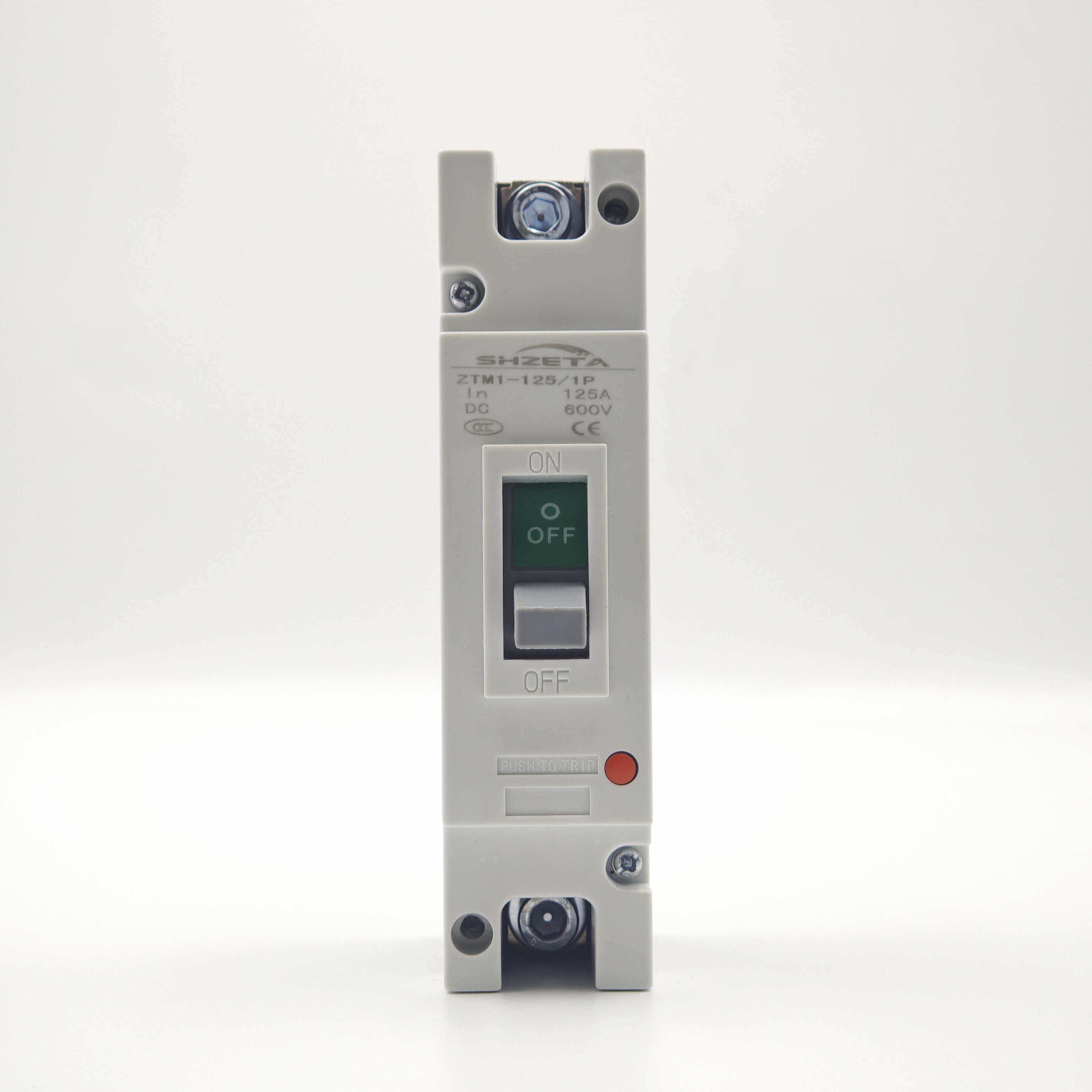
With the rapid scale of commercial PV installations, BESS (Battery Energy Storage Systems), and telecom backup infrastructure, traditional AC interruption mechanisms fail to satisfy quenching physics due to the absence of a natural sinusoidal zero-crossing. Future-proof procurement mandates the selection of polarized and non-polarized DC Moulded Case Circuit Breakers (such as our Waterproof 500V DC 100A units) engineered with permanent magnetic blowout fields that physically force high-voltage DC arcs into deep-cooling splitters.
2. Intelligent Switchgear and Real-Time IoT Telemetry
The shift toward smart microgrids has accelerated the obsolescence of purely mechanical trip units. Modern industrial specifications increasingly demand electronic trip units (ETU) with embedded microprocessors capable of parameter adjustments: Long-time (L), Short-time (S), Instantaneous (I), and Ground-fault (G) protection. Furthermore, RS-485 Modbus and industrial Ethernet integration allow central SCADA platforms to perform predictive thermal trending before nuisance trips interrupt high-value manufacturing lines.
3. Rapid Micro-Interruption Transfer Switches (Class CB vs. Class PC)
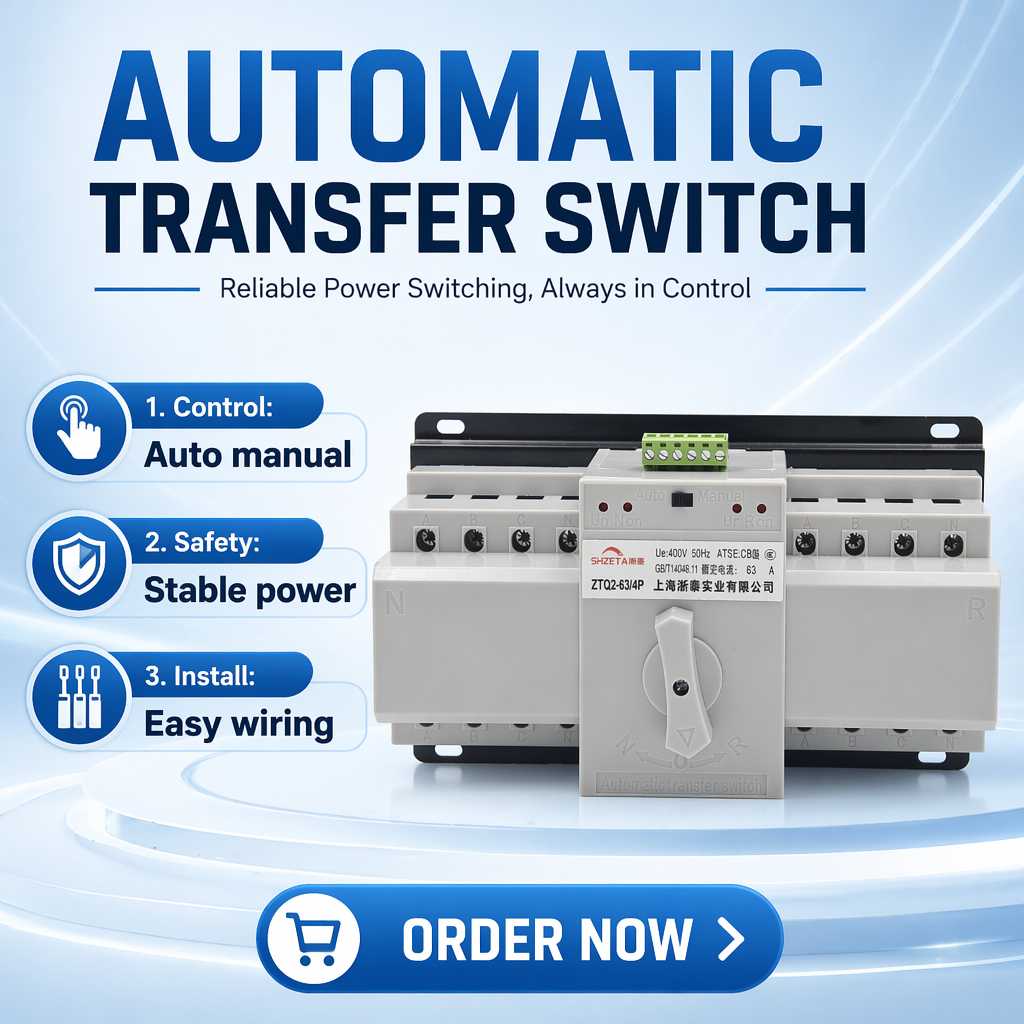
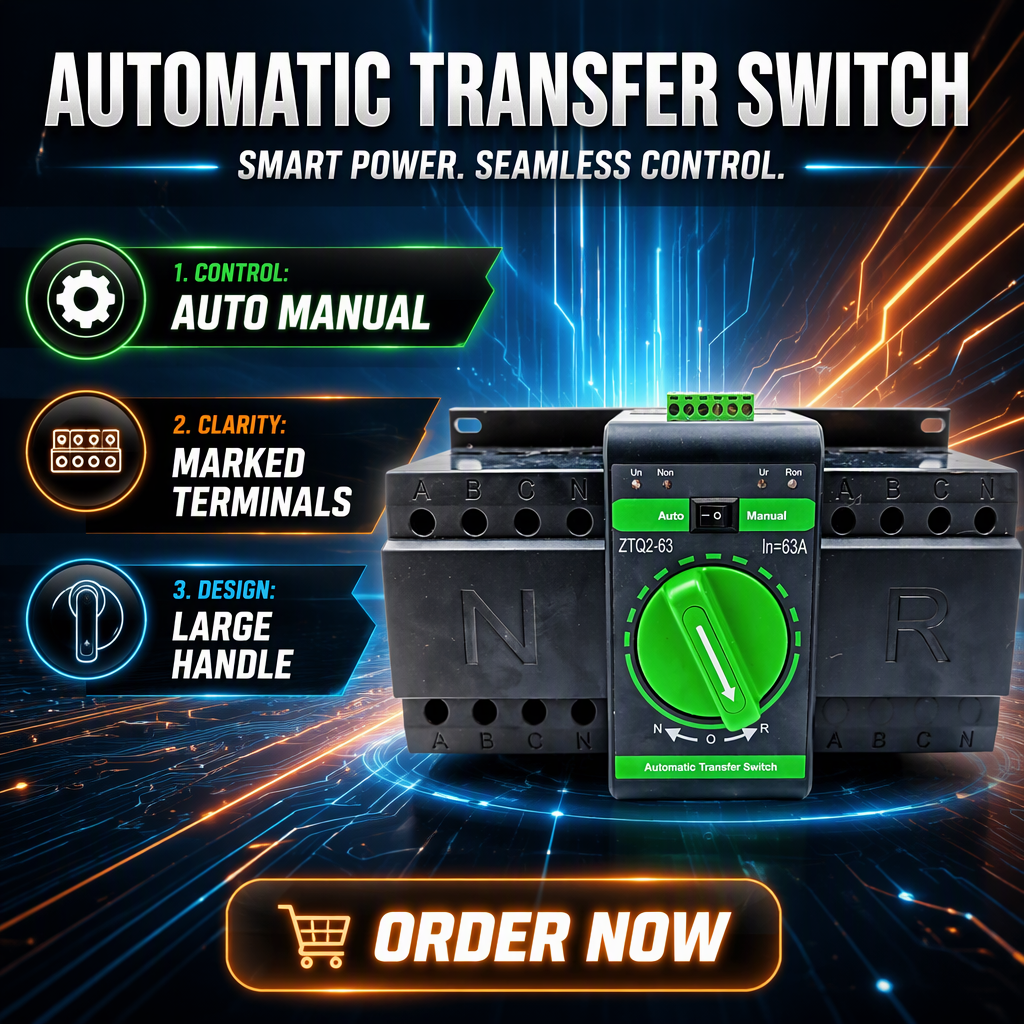
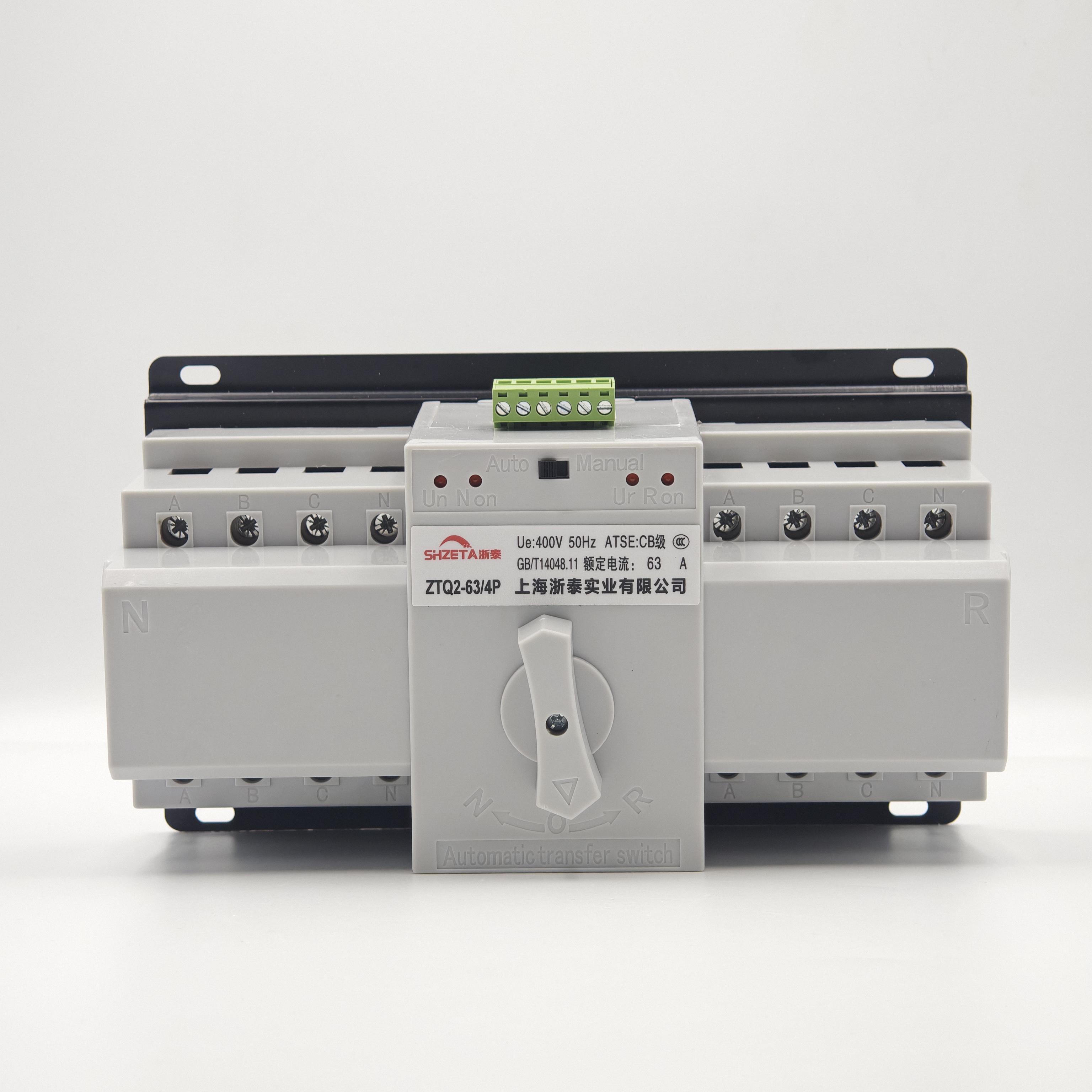
In healthcare facilities, hyperscale data centers, and multi-source solar microgrids, the transition between utility and auxiliary generation must execute cleanly. Global procurement officers are prioritizing Class CB Automatic Transfer Switches (ATS) with integrated overload and short-circuit protection that eliminate the need for upstream cascading breakers, slashing panel footprint by 35% while upholding high short-circuit withstand ratings (Icw).
Breaker Architecture
Primary Voltage Range
Typical Breaking Capacity (Icu)
Trip Technology
Critical Sourcing Consideration
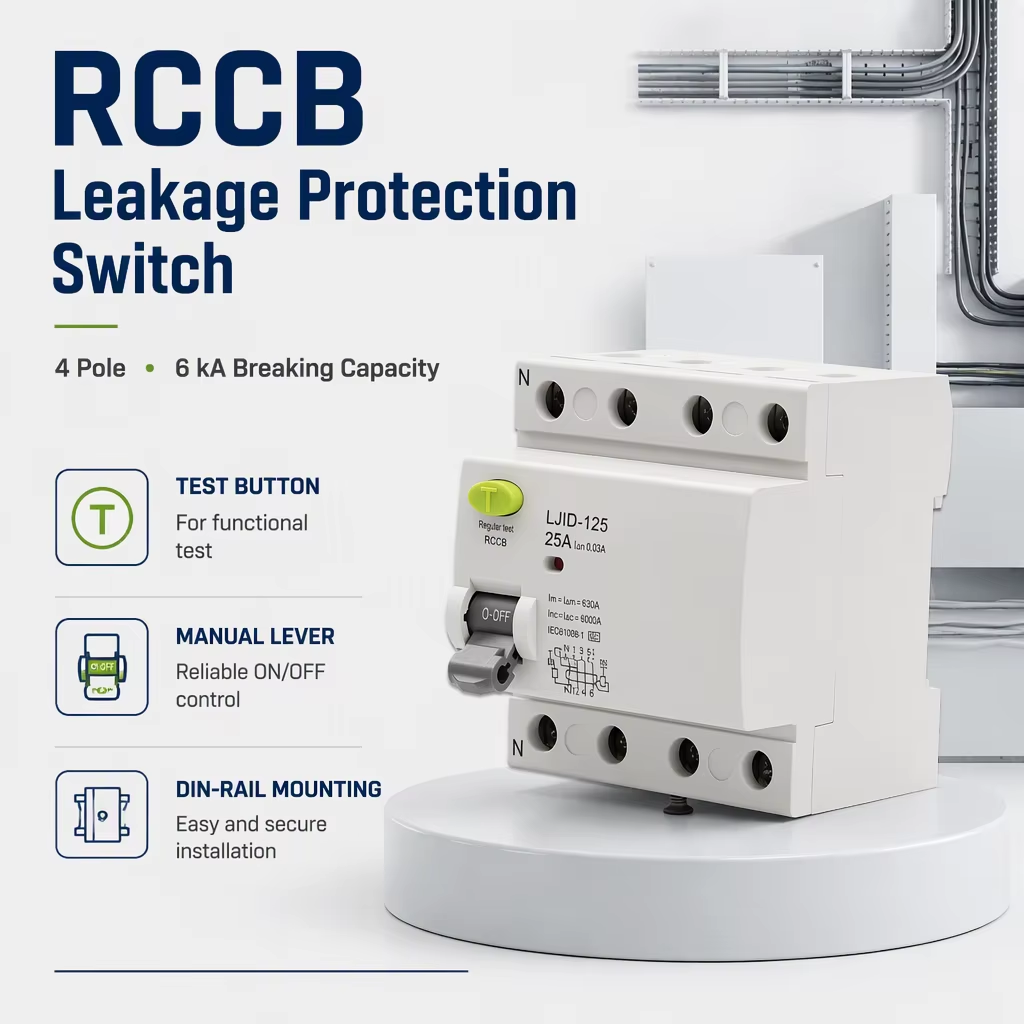
Miniature (MCB / RCCB)
230V / 400V AC (Up to 63A)
4.5 kA – 10 kA
Thermal-Bimetal / Magnetic Plunger
Tripping curve selection (B, C, D) based on high-inrush current loads.
Moulded Case (MCCB)
Up to 690V AC / 1000V DC (Up to 800A)
25 kA – 85 kA
Thermal-Magnetic Adjustable or Microprocessor ETU
Ultimate (Icu) vs. Service (Ics) breaking capacity ratio verification.
Air Circuit Breaker (ACB)
400V – 1140V AC (630A to 6300A)
50 kA – 120 kA
Intelligent Digital Microcontroller Trip System
Draw-out vs. fixed configuration based on planned maintenance downtime limits.
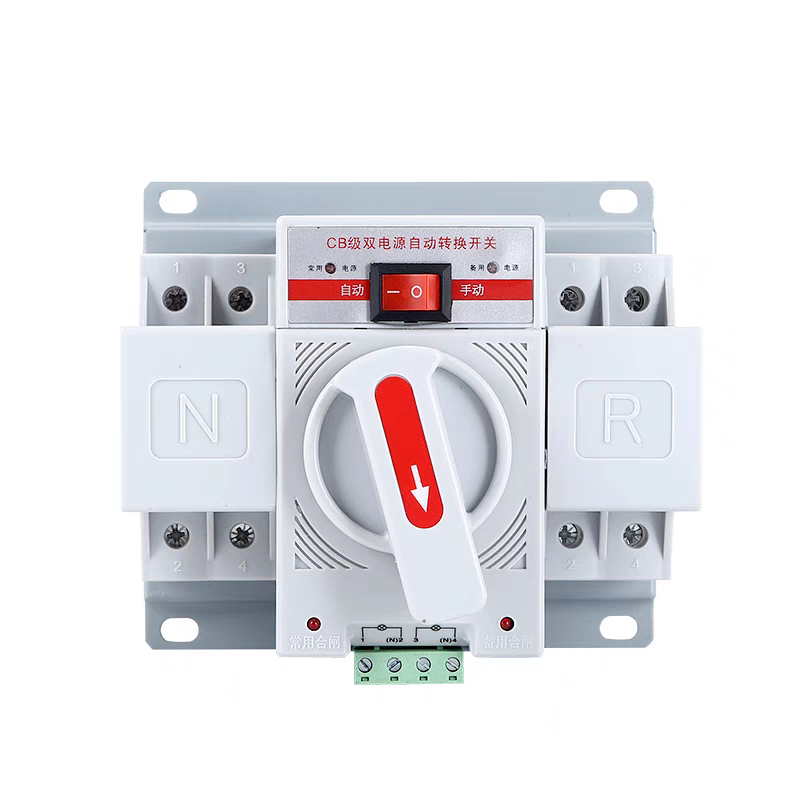
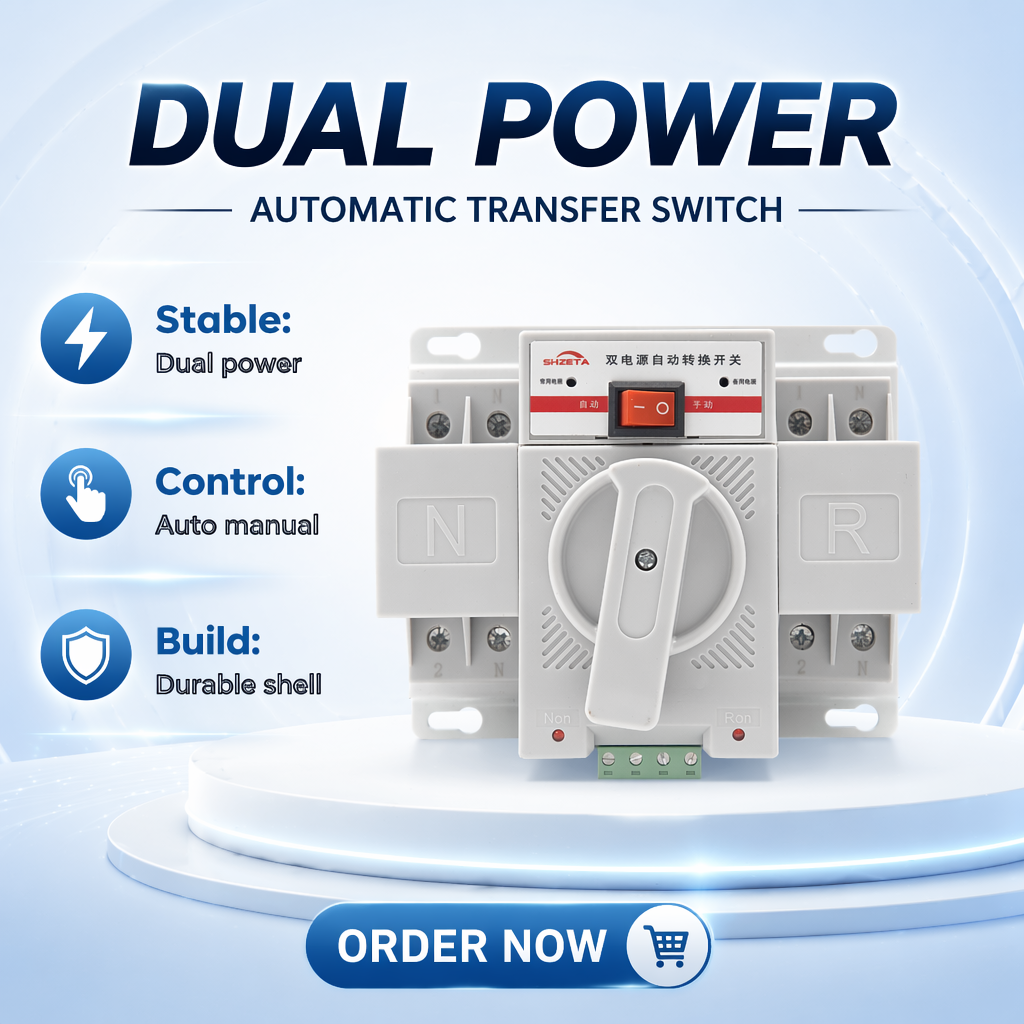
Dual-Power ATS (Class CB)
230V / 400V AC (10A to 125A Frame)
3 kA – 10 kA
Interlocked Electromechanical Tripping
Transfer time (<50ms), mechanical interlock integrity, and micro-gap wear.
Positioned strategically in Huangyu Village, Liushi Town, Wenzhou, Zhejiang Graybar Electric Co., Ltd. blends localized supply chain density with rigorous global standards. Liushi is universally acknowledged as the capital of low-voltage electrical apparatus in China. This location confers profound structural advantages: instantaneous access to top-tier copper strip refineries, specialized silver-contact sinterers, high-precision stamping tooling, and custom thermoset molders within a 15-kilometer radius.
Vertical In-House Manufacturing
From injection molding of anti-tracking arc barriers to terminal lug stamping, high automation rates guarantee physical dimensional stability across massive batch orders.
Multi-Tier Quality Gateways
Every pole undergoes computer-calibrated thermal tripping, instantaneous magnetic impulse firing, and 2,500V dielectric insulation verification prior to final casing closure.
Agile Low MOQs & Rapid Port Access
Standard MCB, MCCB, and SPD models initiate from a 5-piece MOQ (1-piece for intelligent ACBs). Fast consolidation and dispatch via Ningbo and Shanghai deep-water ports.
As a verified on-site manufacturer and international trading entity, Graybar provides full OEM/ODM engineering customization. This includes custom current calibration curves (B, C, D, K, Z), custom brand laser etching, multilingual technical packaging, and bespoke auxiliary contact arrangements (shunt trip, undervoltage release, auxiliary switch modules).
Engineering FAQ: B2B Circuit Breaker Procurement
Critical answers to complex inquiries encountered by international electrical buyers, panel builders, and project engineers.
What is the operational difference between Icu and Ics ratings on MCCBs?
Icu (Ultimate Short-Circuit Breaking Capacity) represents the maximum fault current a breaker can extinguish without exploding, though it may be damaged beyond operational re-use. Ics (Service Short-Circuit Breaking Capacity) defines the prospective fault current level the breaker can interrupt repeatedly and remain completely operational. Premier Chinese factories provide Ics = 75% to 100% of Icu in accordance with IEC 60947-2.
Why should Type A or Type B RCCBs be specified over conventional Type AC?
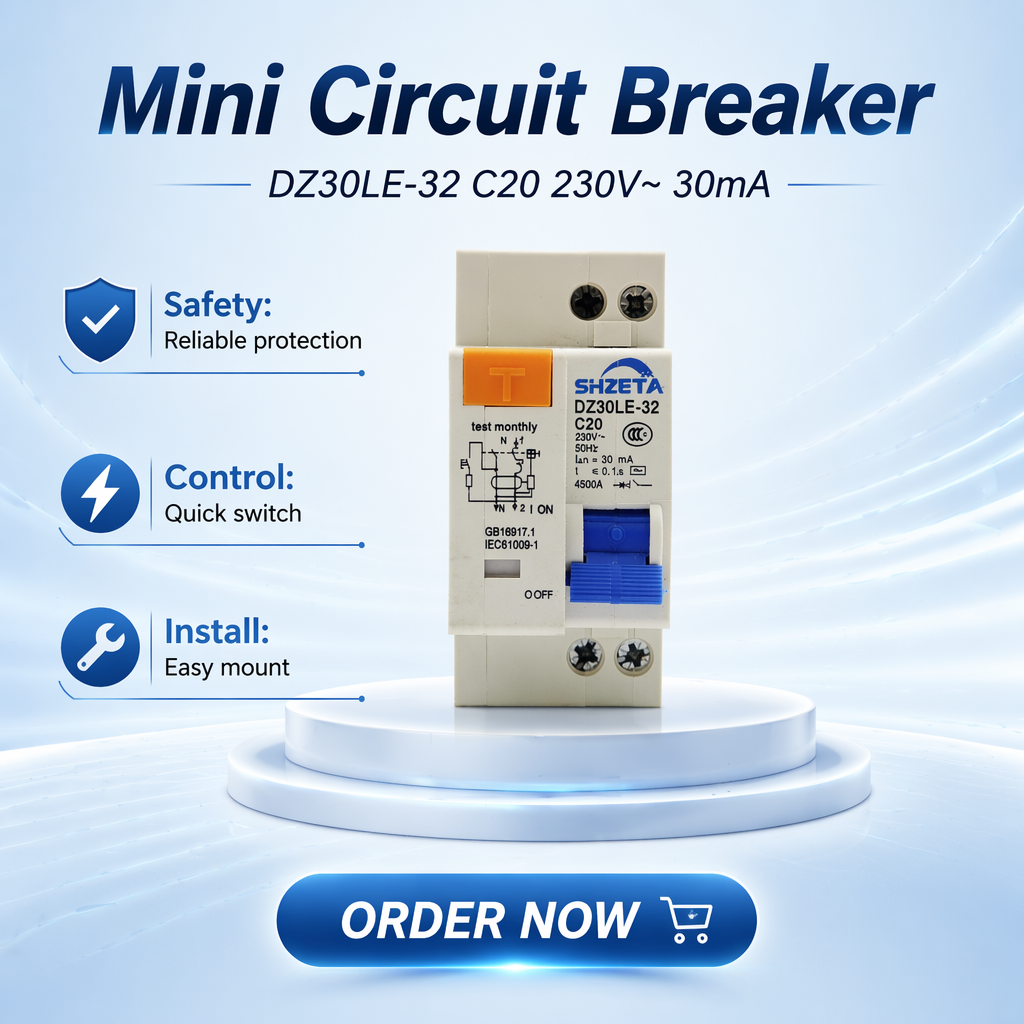
Type AC RCCBs only detect sinusoidal alternating earth leakage currents. Modern installations—including EV chargers, inverter HVAC units, and variable speed motors—generate pulsating DC or smooth DC residual currents that blind Type AC sensors. Selecting Electromagnetic Type A or electronic Type B ensures absolute touch-voltage human safety and prevents fire hazards from masked DC leakage.
What determines the selection between PC Class and CB Class ATS units?
PC Class ATS is capable of making and withstanding short-circuits but does not provide fault current interruption; it relies on upstream breakers and focuses entirely on transfer speed and contact longevity. CB Class ATS integrates an internal overcurrent tripping mechanism (utilizing dual MCCBs or MCBs), offering complete independent overcurrent protection directly within the transfer device.
How do ambient temperature variations affect circuit breaker trip curves?
Thermal-magnetic breakers calibrate trip thresholds at standard reference temperatures (typically 30°C or 40°C). When installed in tropical switchgear or enclosed outdoor solar combiner boxes where interior temperatures reach 55°C, thermal bimetals deflect prematurely. Breaker ratings must be de-rated in accordance with manufacturer temperature correction tables, or specified with electronic trip units that remain ambient-temperature insensitive.
Ready to Optimize Your Electrical Distribution Bill of Materials?
Connect directly with our engineering sales specialists in Liushi. Obtain full type-test certificates, customized CAD drawings, wholesale price tiers, and evaluation samples.