Dual Transfer
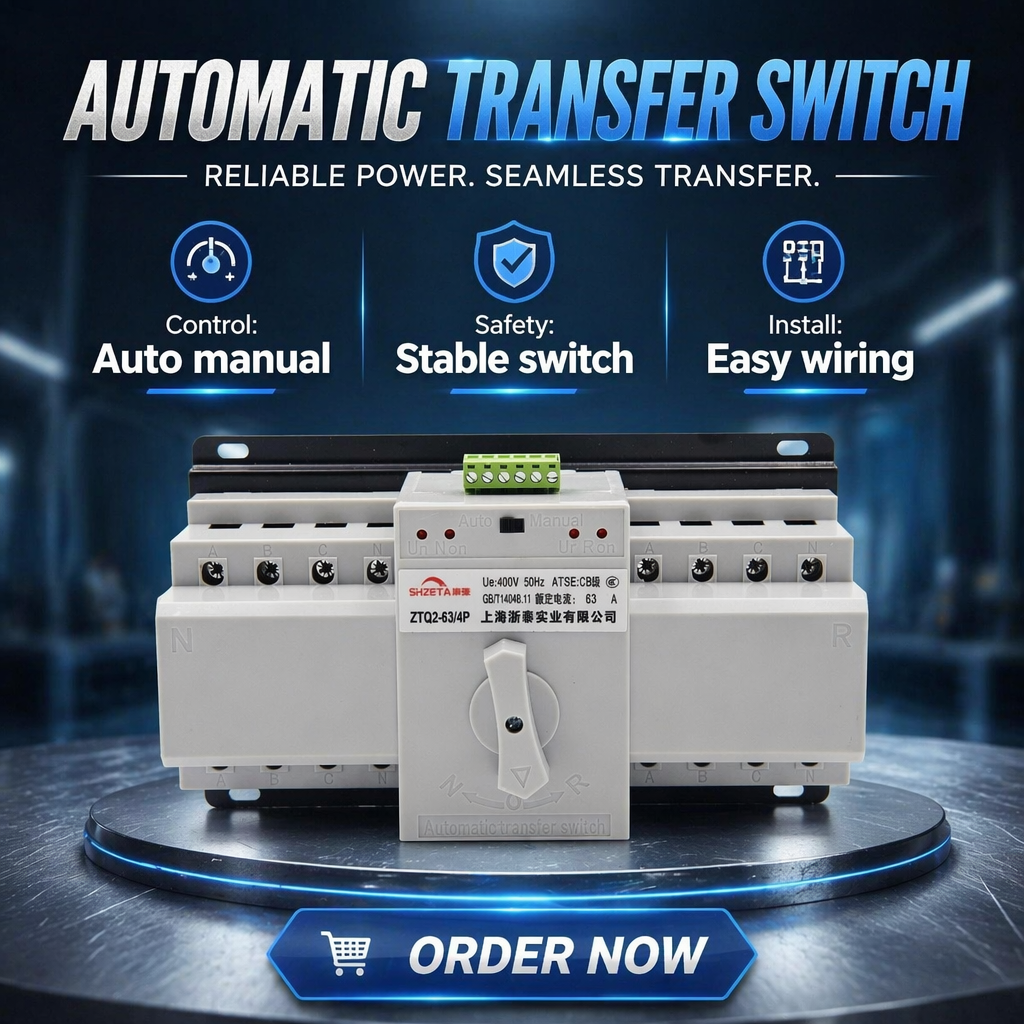
4P 63A Manual Changeover Switch Dual Power ATS
- Pole Configuration:4 Pole (4P)
- Rated Operational Current:63A
- Mounting:Standard 35mm DIN Rail
- Application:PV/Grid Transfer
High-efficiency arc extinguishing, red-copper internal conductive elements, and rapid trip curve dynamics engineered for low-voltage solar string combiners and ESS disconnect topologies.
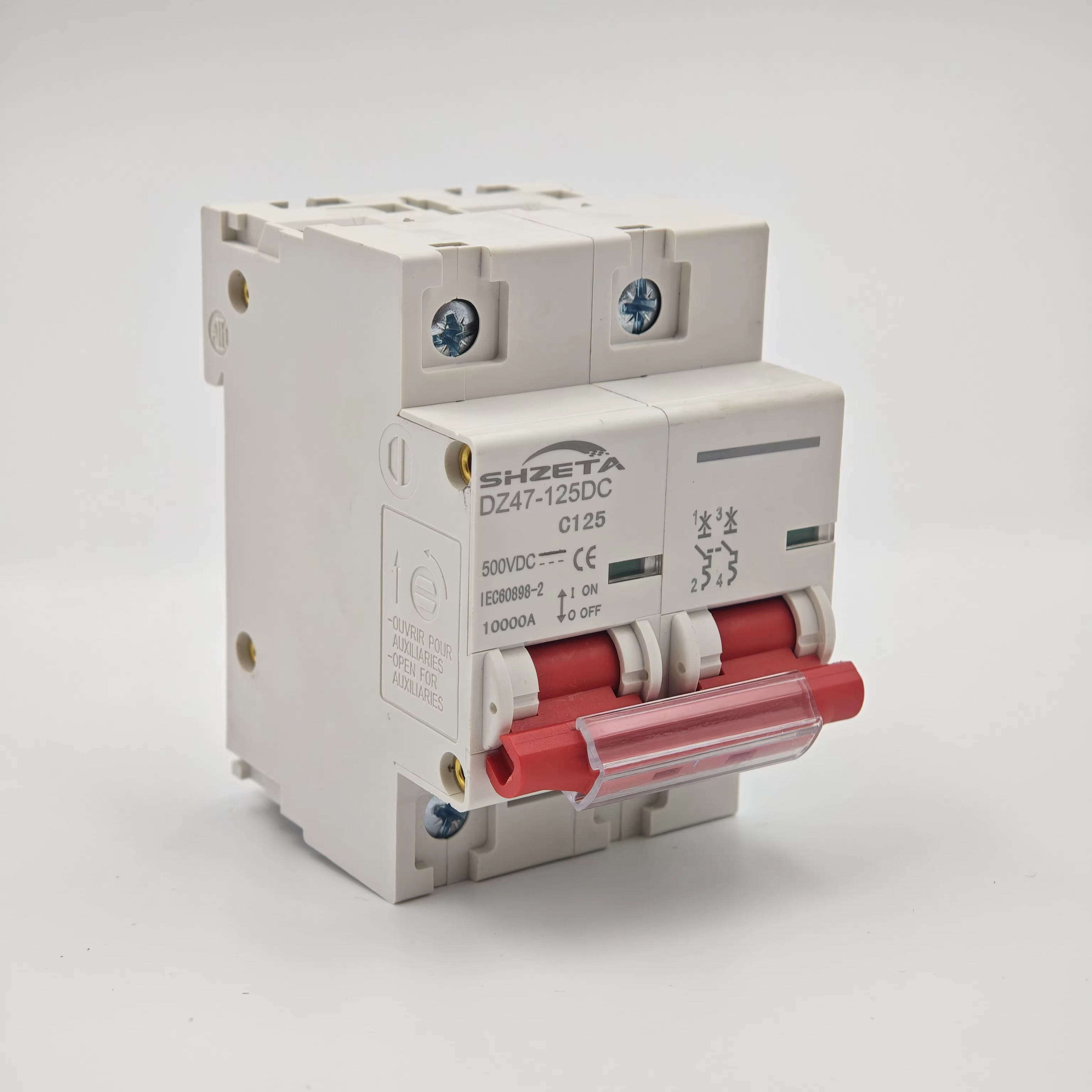
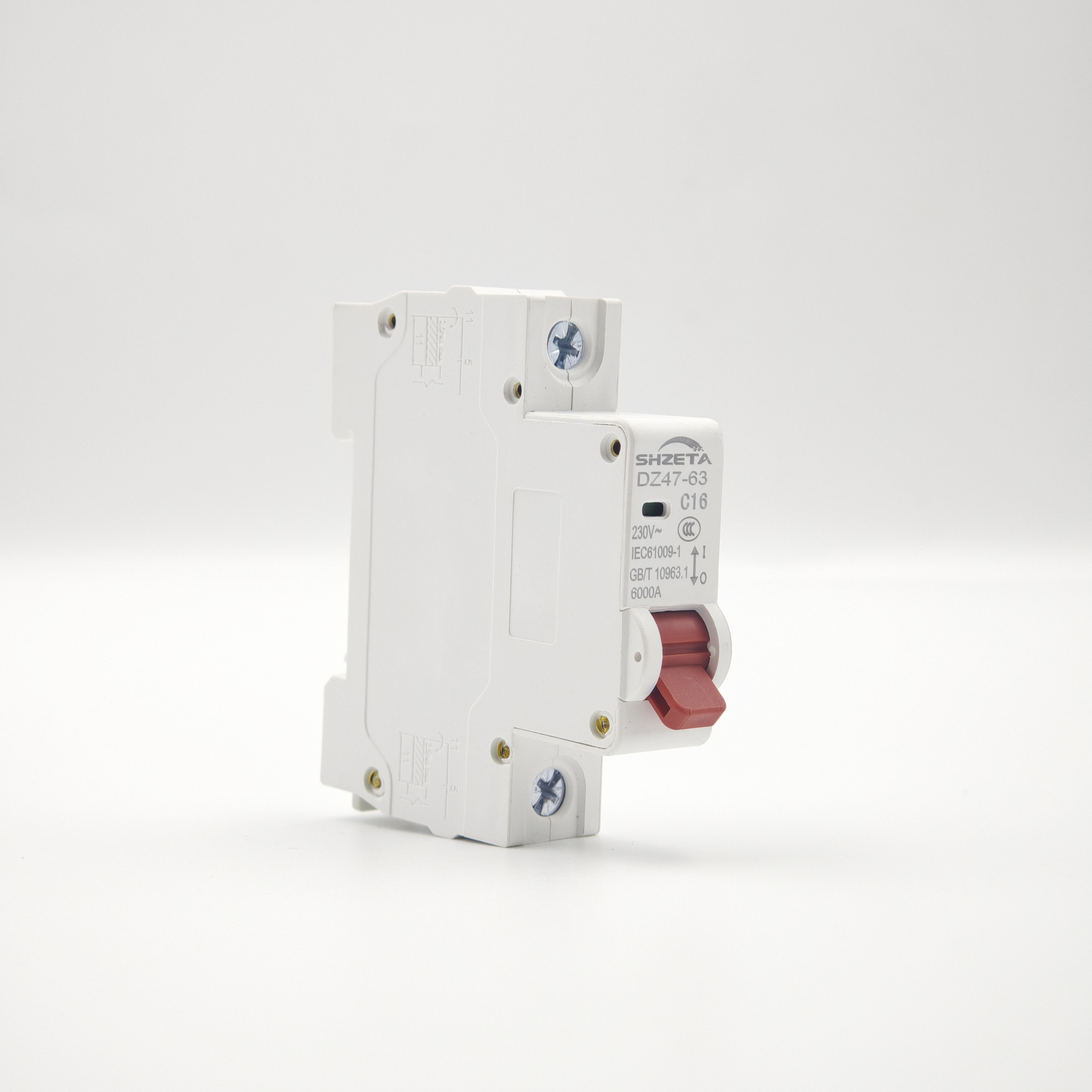
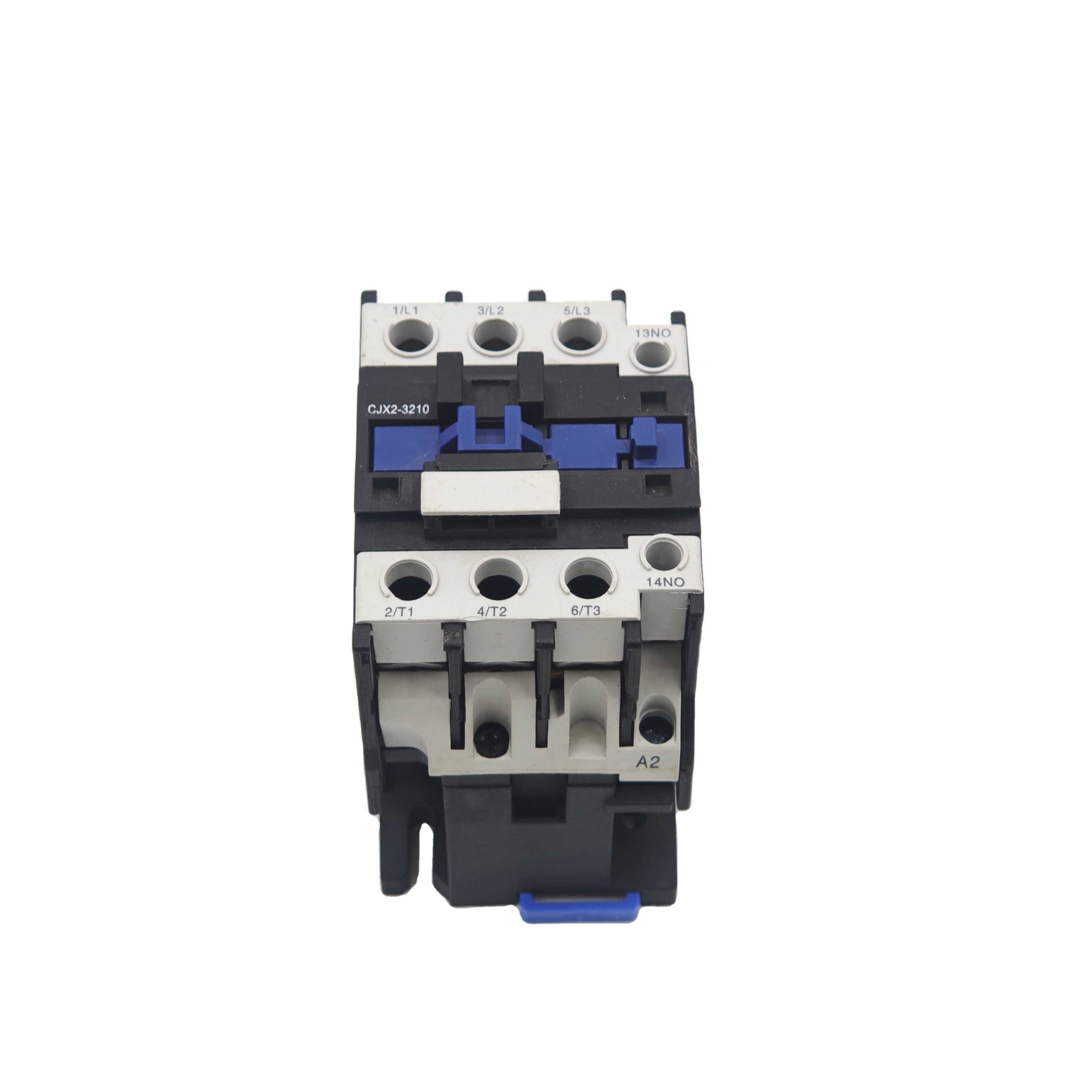
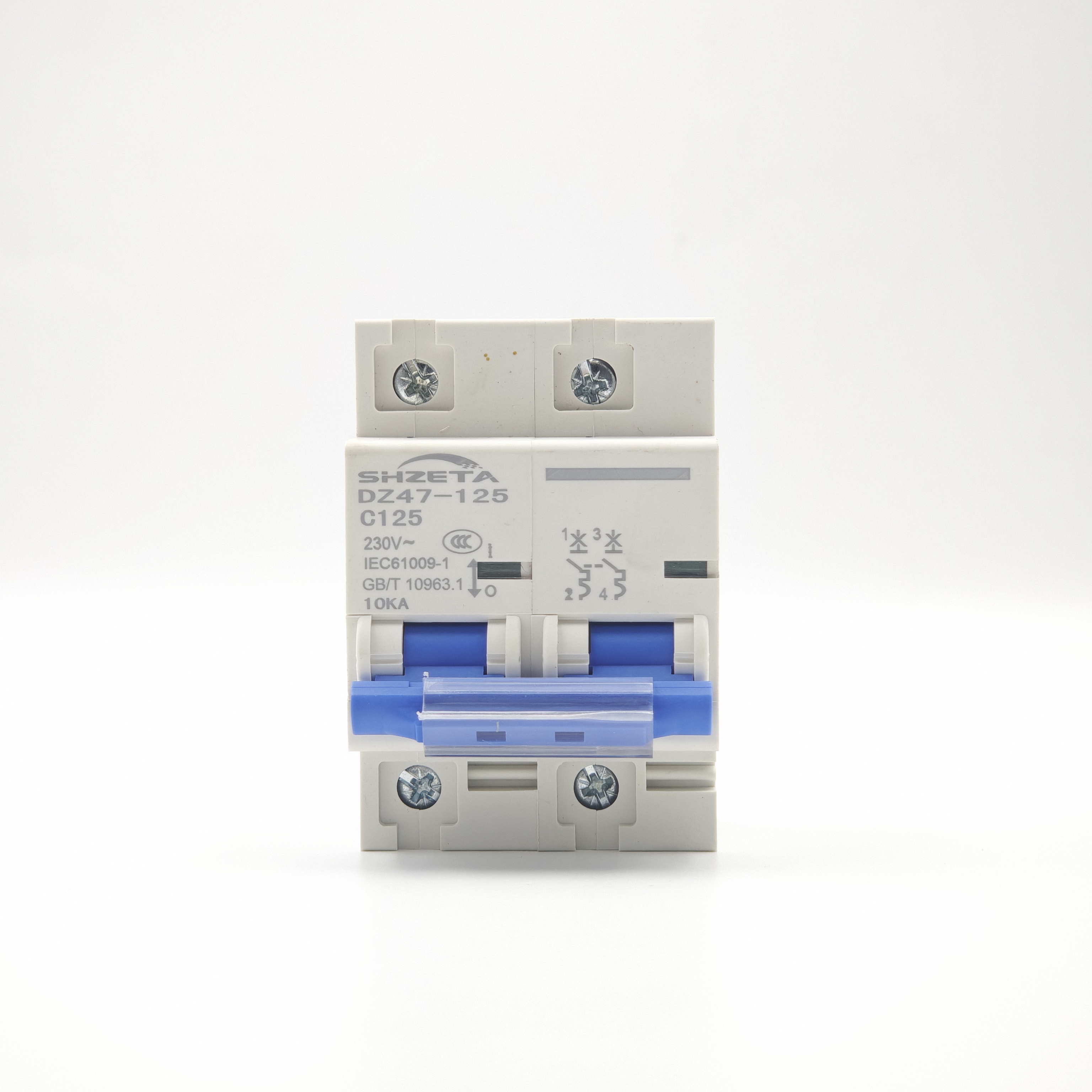
In standard alternating current (AC) power distribution systems, breaking an electric arc is naturally facilitated by the sinusoidal waveform passing through the zero-current voltage axis twice per cycle (every 10ms in a 50Hz circuit). Conversely, direct current (DC) produced by solar photovoltaic strings does not have a natural zero-crossing point. Once established between separating contact tips, a direct-current electrical arc sustains continuously across the air ionization gap, accompanied by severe plasma temperatures exceeding 6,000°C.
Without engineered electromagnetic arc stretching and high-capacity split de-ion arc chutes, DC switchgear sustains extreme contact erosion, dielectric insulation breakdown, and violent catastrophic failure. As a leading CE certified solar circuit breaker factory, Zhejiang Graybar Electric implements patented directional permanent magnetic blowouts coupled with multi-plate splitter arc chutes constructed from pure electrolytic silver-tungsten contact rivets and electrolytic grade T2 red copper busbars.
| Electrical Parameter | Standard AC Circuit Breaker | Solar Specific DC MCB / MCCB | Engineering Consequence of Mismatch |
|---|---|---|---|
| Natural Current Zero Point | Occurs every 10ms (50Hz) / 8.3ms (60Hz) | Absent (Continuous current flow) | Severe contact welding, thermal runaway, board fires |
| Arc Extinguishment Method | De-ion plate cooling at current zero | Permanent magnetic blowout + narrow grid slicing | Total failure to clear reverse currents under fault |
| Contact Composition | Silver Cadmium Oxide (AgCdO) / AgNi | Silver Tungsten Carbide (AgWC) / AgSnO2 | Rapid contact ablation and high contact resistance |
| Dielectric Recovery Rate | Standard clearance distances (3mm - 5mm) | Extended creepage & double-break bridge isolation | Continuous restrike across open air gaps |
| Polarity Sensitivity | Non-polarized bi-directional flow | Polarized or bi-directional DC magnetic chutes | Incorrect polarity explodes standard magnetic coils |
When selecting protective switchgear for photovoltaic combiner boxes, string inverters, and battery energy storage systems (BESS), specifying breakers certified explicitly under IEC 60947-2 (DC Utilization Category DC-PV1 / DC-PV2) is imperative to ensure system uptime and site safety across 25-year operational lifespans.
Key technological, regulatory, and supply-chain shifts global EPC contractors and electrical distributors must integrate into their procurement roadmaps.
Utility-scale and large commercial solar projects have decisively transitioned from 1000V DC to 1500V DC string topologies. Higher voltage lowers balance-of-system (BOS) wiring losses, enables 30% longer strings, and minimizes combiner installations. Procurement teams now mandate 1500V-rated molded case circuit breakers (MCCB) and DC disconnect switches with multi-break arc quenching designs capable of interrupting up to 20kA prospective fault currents.
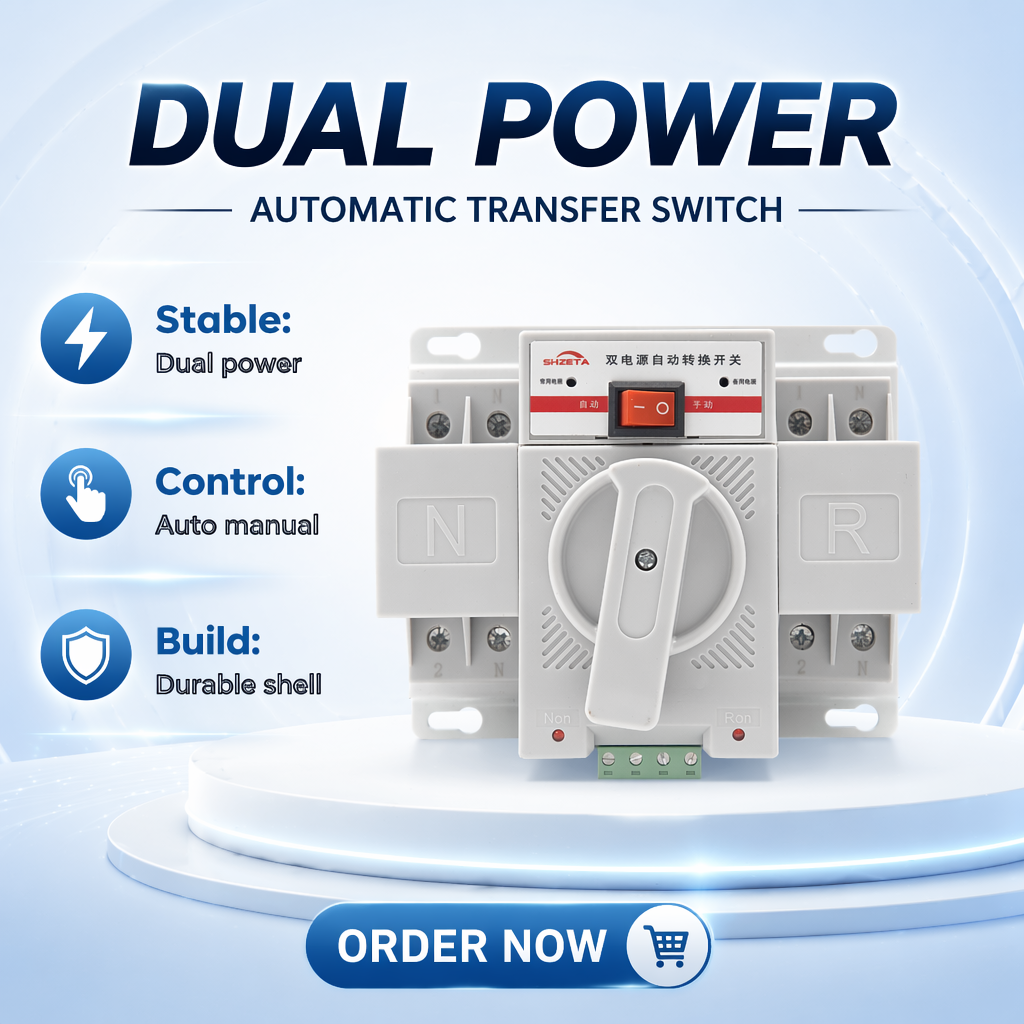
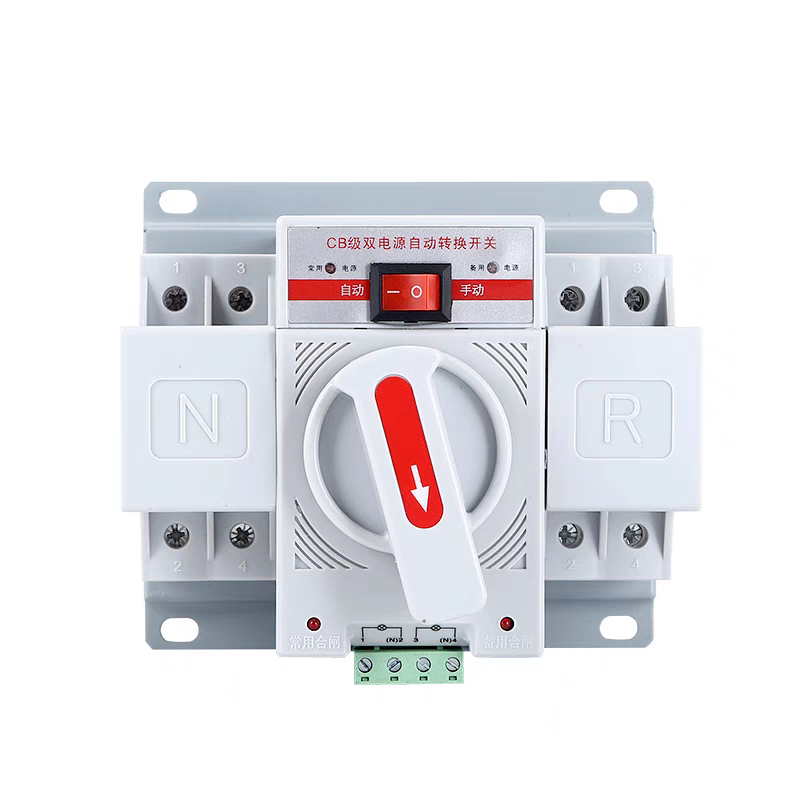
Commercial micro-grids combining rooftop photovoltaic modules with centralized battery storage (BESS) require intelligent, uninterrupted power changeover. The procurement of fast-acting Automatic Transfer Switches (ATS) featuring mechanical interlocking, integrated overcurrent trips, and transfer speeds under 50 milliseconds has surged by 42% annually, preventing data center and inverter trip-outs during grid blackout transits.
Tier-1 OEM project engineers are moving away from monolithic 1,000-piece Minimum Order Quantities (MOQ). Sourcing managers prioritize factories that offer agile 5-to-10 piece pilot batches for pre-production endurance testing, localized type-test verification, and custom branded laser etching, dramatically reducing supply chain cash lockup while confirming factory reliability.
The photovoltaic circuit protection industry is advancing rapidly beyond mechanical thermal-magnetic trip units. As solar farms integrate artificial intelligence diagnostics, energy management software, and remote utility curtailment controls, circuit breakers are transforming into smart grid nodes.
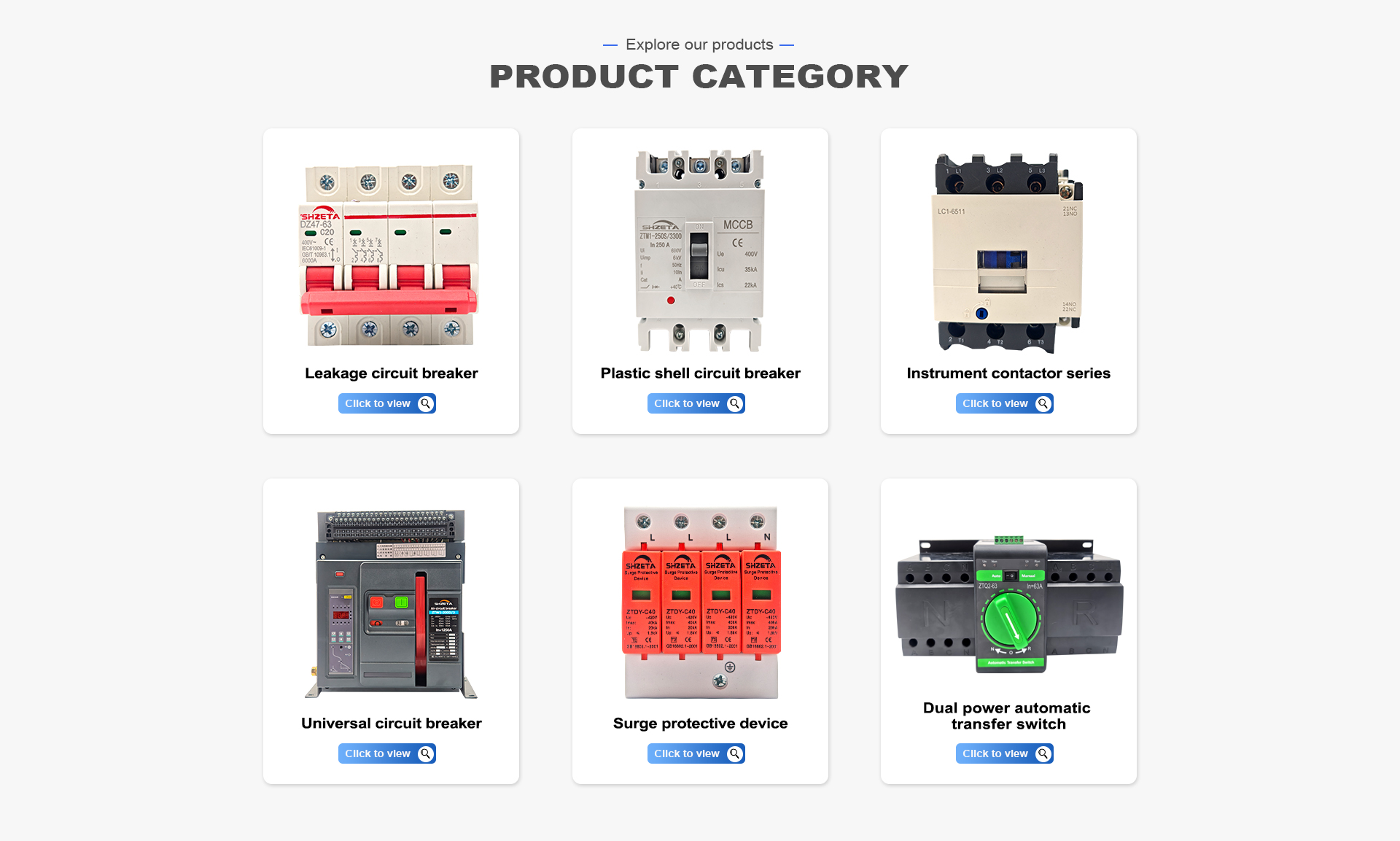
Headquartered in Liushi Town, Wenzhou—the world's premier electrical equipment manufacturing cluster—Zhejiang Graybar Electric combines vertically integrated manufacturing with stringent quality assurance.
Located in Huangyu Village, Liushi Town, Wenzhou, China, our manufacturing facilities have direct physical access to the world’s most comprehensive raw materials ecosystem: high-purity silver-tungsten contacts, phosphor-bronze springs, and flame-retardant thermoplastics, ensuring rapid lead times and resilient production capacity.
Every single manufactured breaker undergoes rigorous on-line testing: 100% dielectric insulation verification, mechanical trip-free mechanism screening, and instantaneous overcurrent calibration against IEC 60898-1 and IEC 60947-2 reference tripping bands before packaging.
We provide full turnkey private-label customization: laser-marked brand logos, customized trip-curve adjustments (B, C, D, or K curves), localized multi-language technical documentation, and consolidated container shipments for overseas distributors and switchgear fabricators.
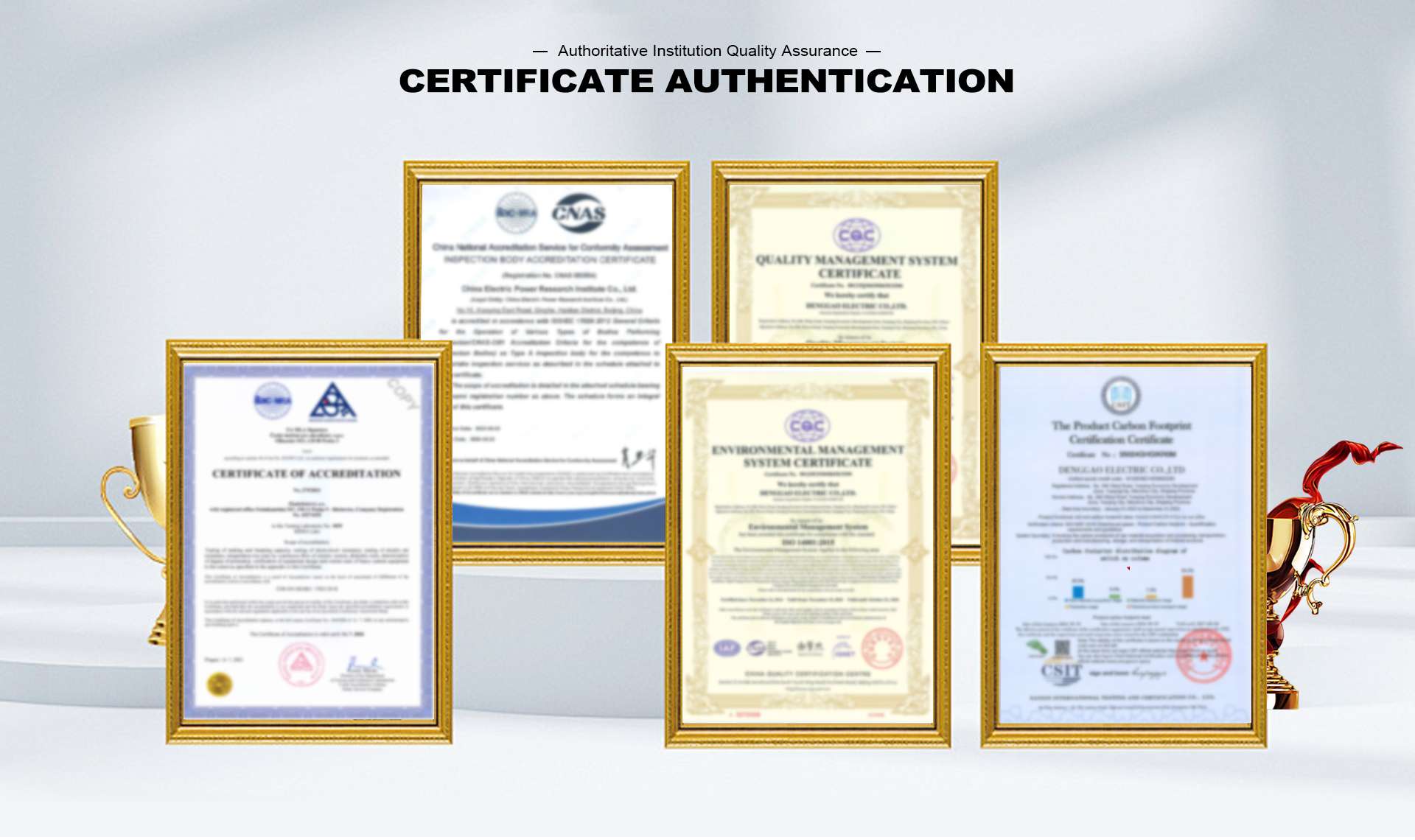
At Zhejiang Graybar Electric, engineering integrity is non-negotiable. Our premises and manufacturing capabilities have been audited and verified on-site by international third-party testing agencies.
We maintain full batch traceability on all copper alloy components, arc chute assemblies, and bimetallic thermal triggers. Buyers are invited to independently review our transaction history, certified test reports, and factory certifications prior to signing framework contracts.
Real-world engineering and purchasing guidance addressing questions frequently raised by overseas buyers, solar installers, and electrical distributors.
Direct from Liushi Town's premier electrical manufacturing hub. Download our comprehensive low-voltage circuit protection technical catalog or schedule a consultative engineering review for your switchgear project.