Precision Switchgear & Protection Portfolio
Engineered for mission-critical grid-to-generator switching, surge diversion, and dynamic motor load management. Fully audited to CE, RoHS, and IEC international standards.
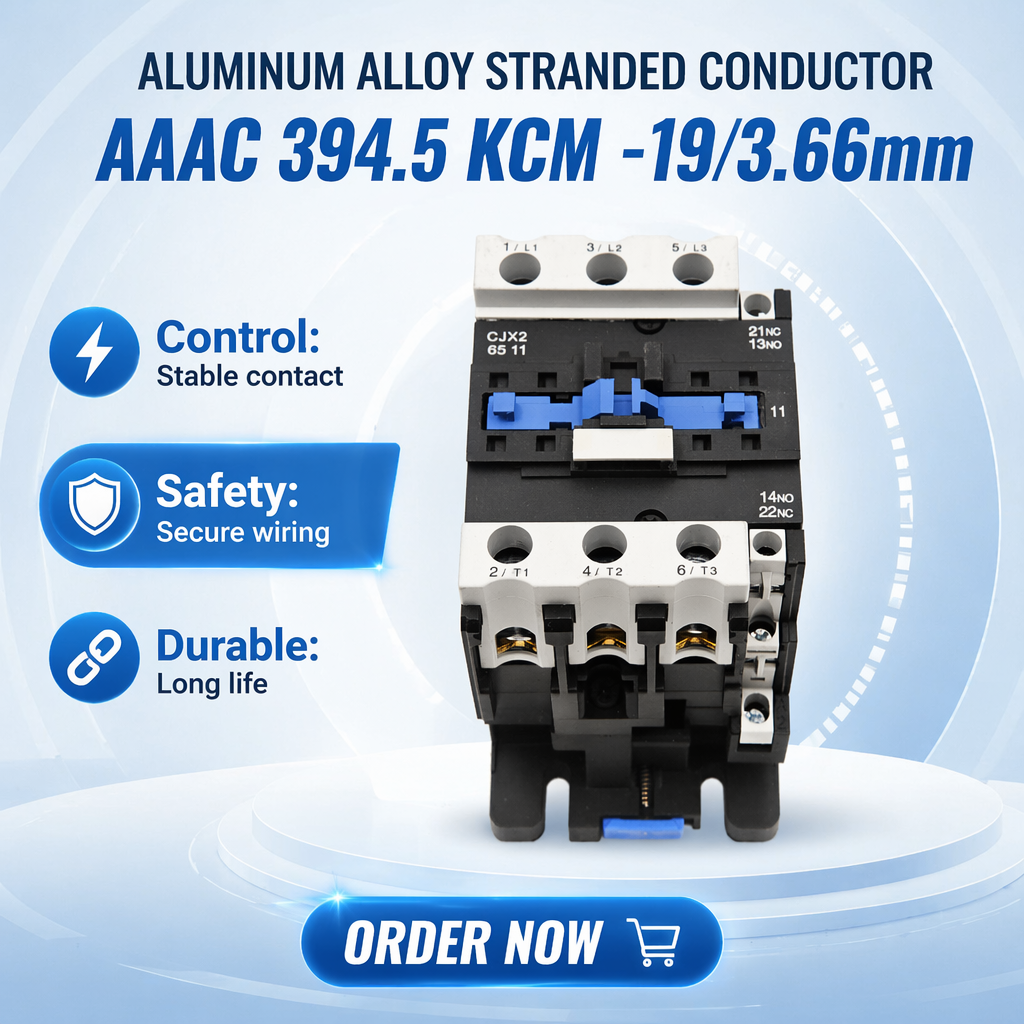
Electrical AC Magnetic Contactor 50Hz 3-Phase 3 Poles CJX2-8011
- Rated Current80A AC-3 / 125A AC-1
- Poles / Phase3P / 50Hz
- InstallationDIN Rail / Plate Mount
- StandardIEC/EN 60947-4-1
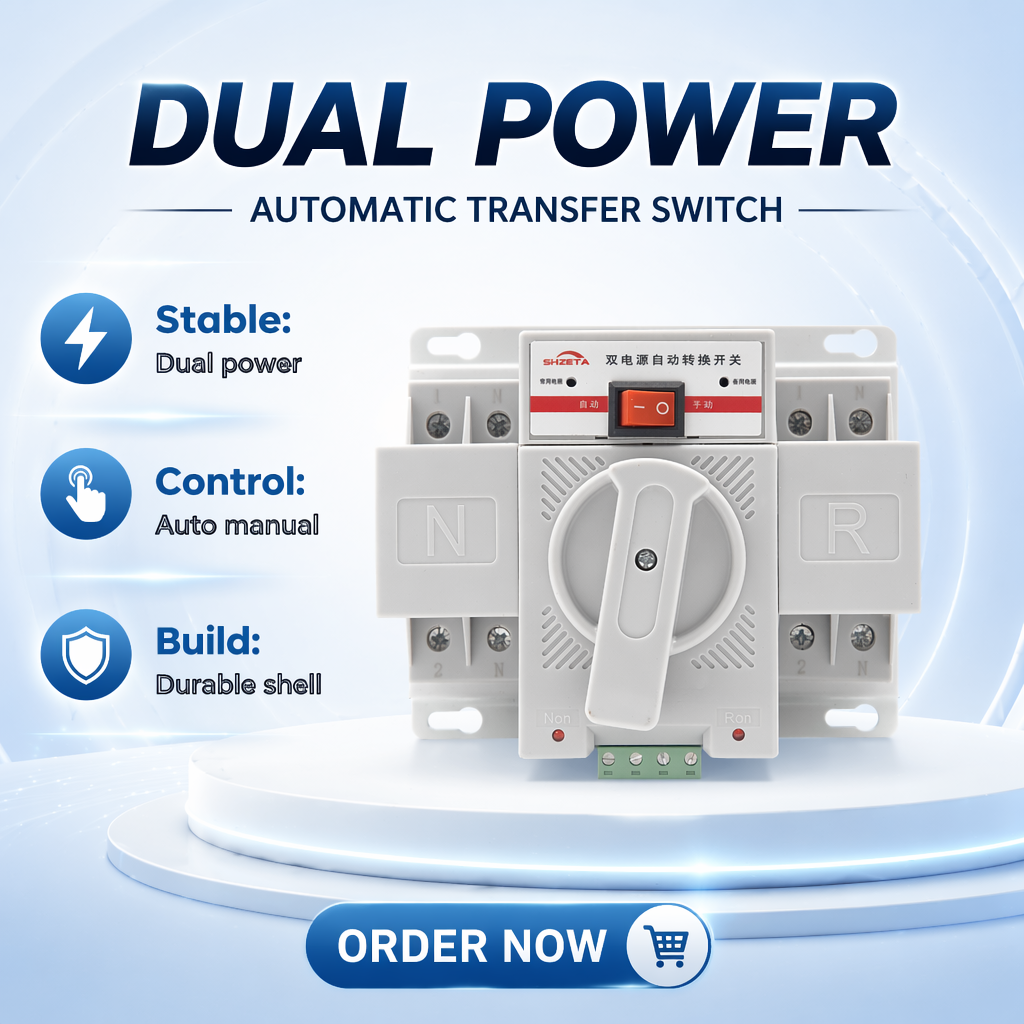
DIN Rail 2P ATS Dual Power Automatic Transfer Switch 63A 230V
- Rated Current63A Continuous
- Breaking Capacity3kA @ 230V AC
- Transfer Speed< 50ms Seamless
- MountingStandard 35mm DIN Rail
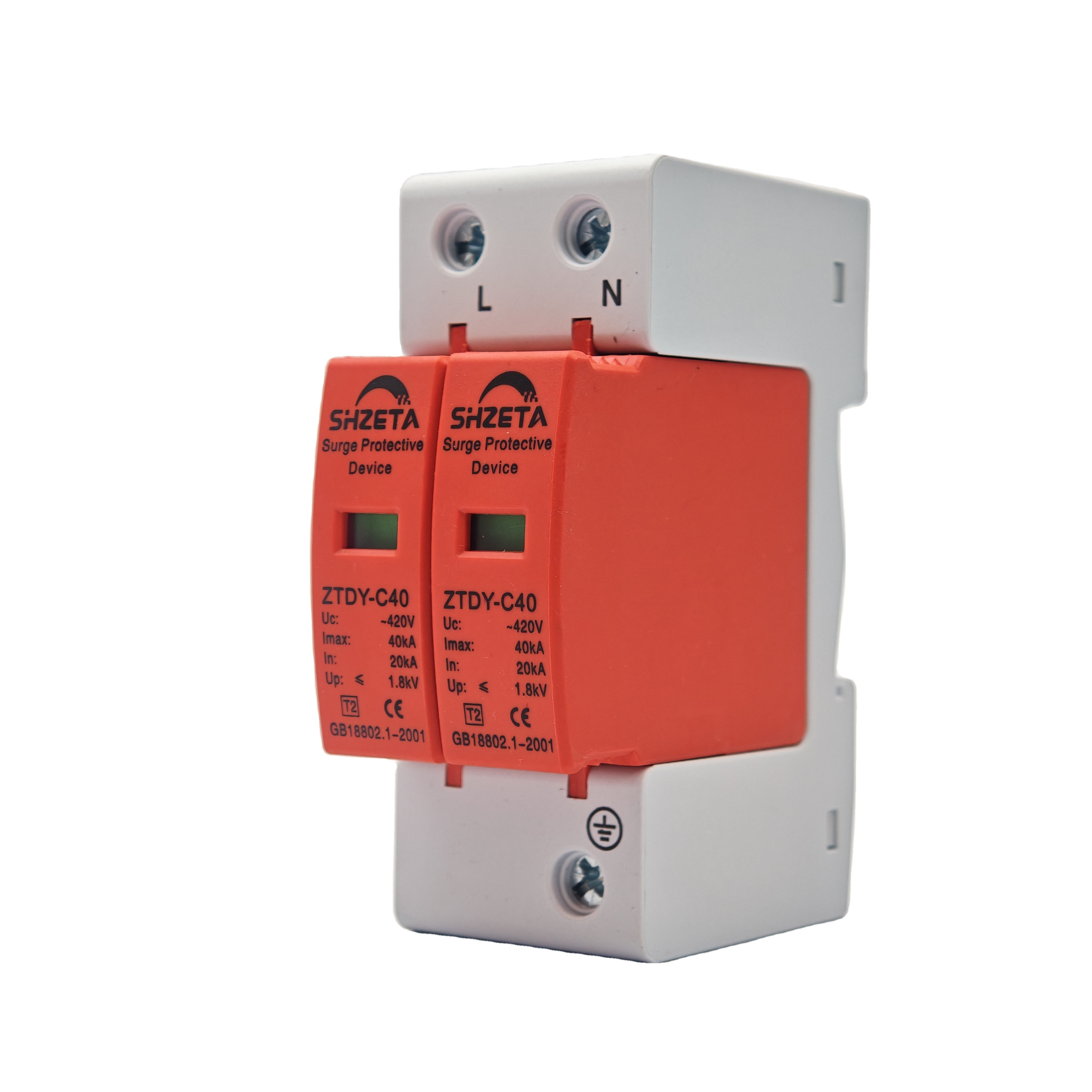
Fireproof T1 PBT 800V DC SPD Surge Protective Device 2P 40kA
- Voltage Rating800V DC (Solar PV)
- Discharge (Imax)40kA (8/20μs)
- EnclosureFlame Retardant PBT T1
- ComplianceIEC 61643-31
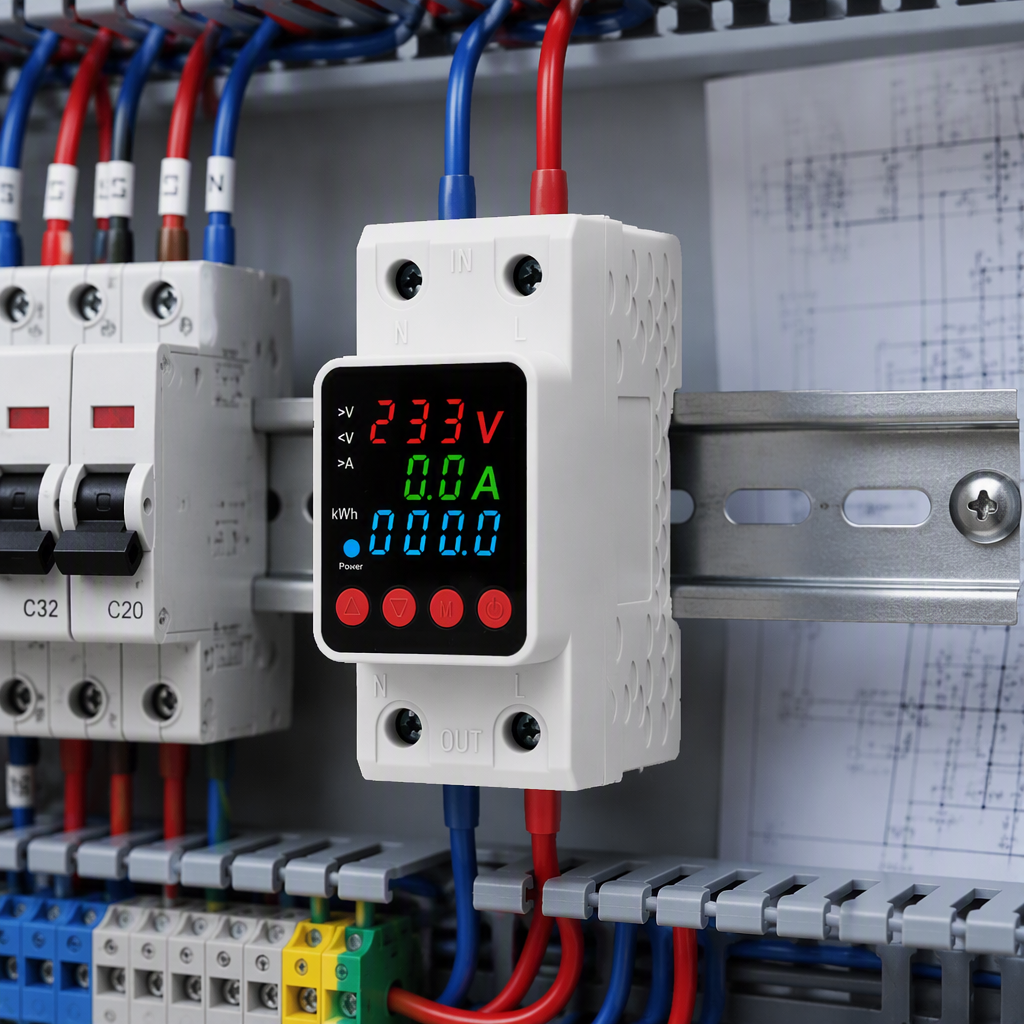
SHZETA Single Phase AC Voltage & Energy Meter with Relay Cutoff
- MeasurementV, A, Power, kWh Display
- Protection TripAdjustable Over/Under V
- Accuracy ClassClass 1.0 Active Energy
- Reset FunctionAuto-Recovery Programmable
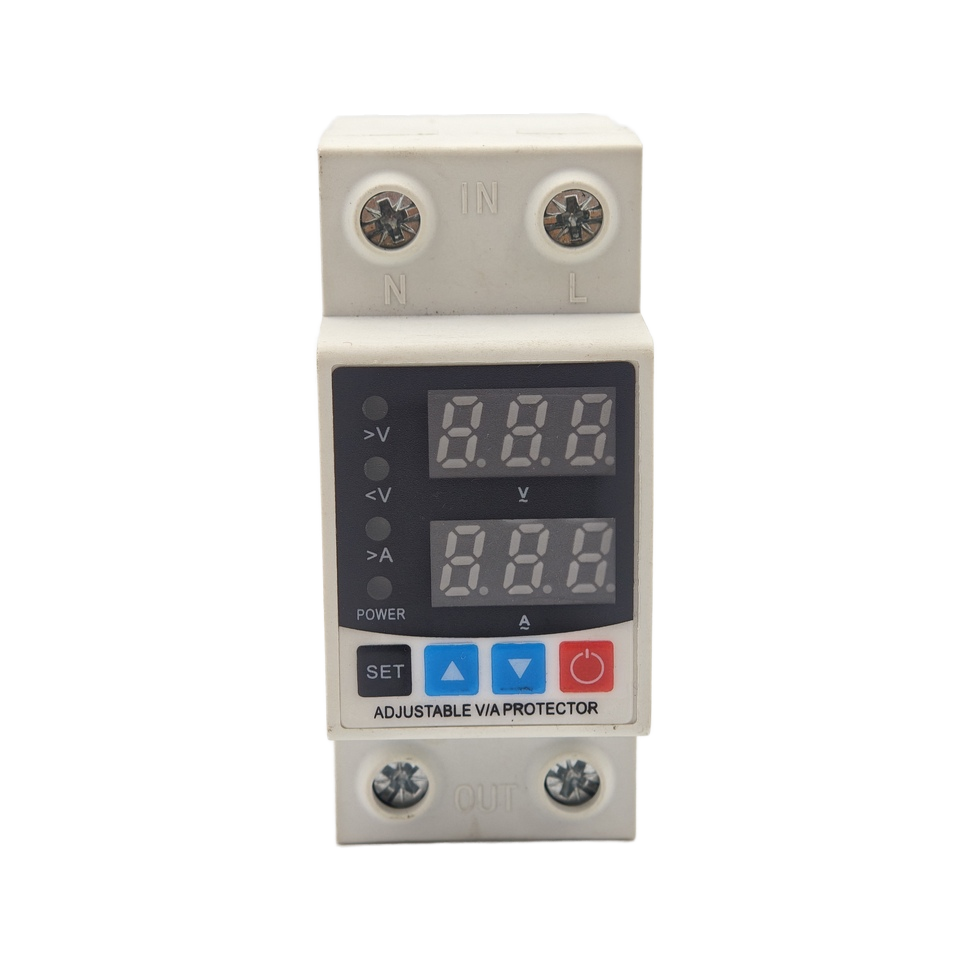
40A/63A 220V SVC DIN Rail Auto-Recovery Voltage Protective Switch
- Current Capability40A / 63A Selective
- Apparent CapacityUp to 30kVA Max
- Recovery Time1s – 500s Configurable
- Internal RelayMagnetic Latching Core
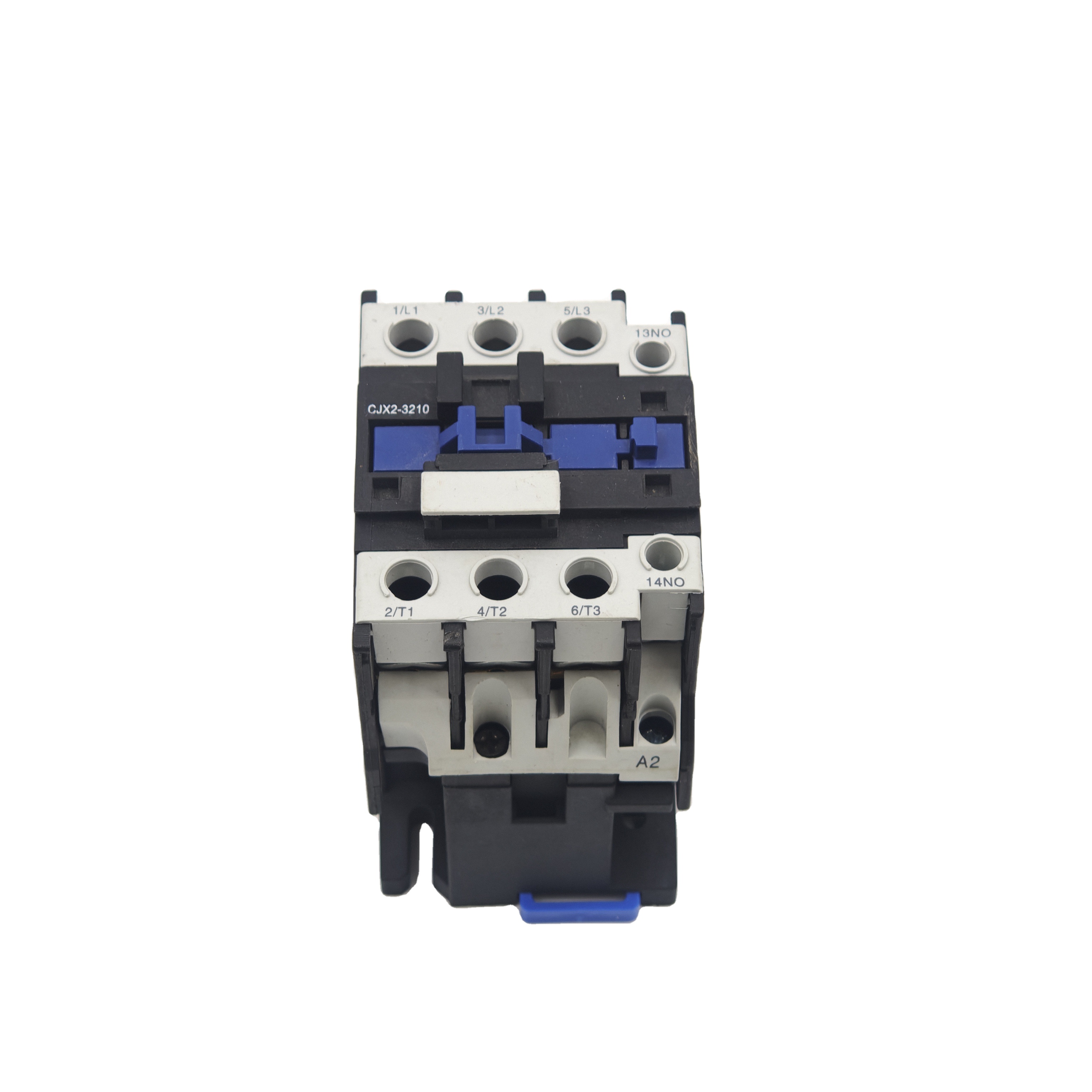
CJX2-1210 3-Phase AC Magnetic Contactor 220V Coil 380V 12A
- Thermal Current (Ith)25A Open Air
- Motor Power (P)5.5kW @ 380V AC-3
- Auxiliary Contact1NO (Normally Open)
- Coil Voltage220V / 240V 50/60Hz
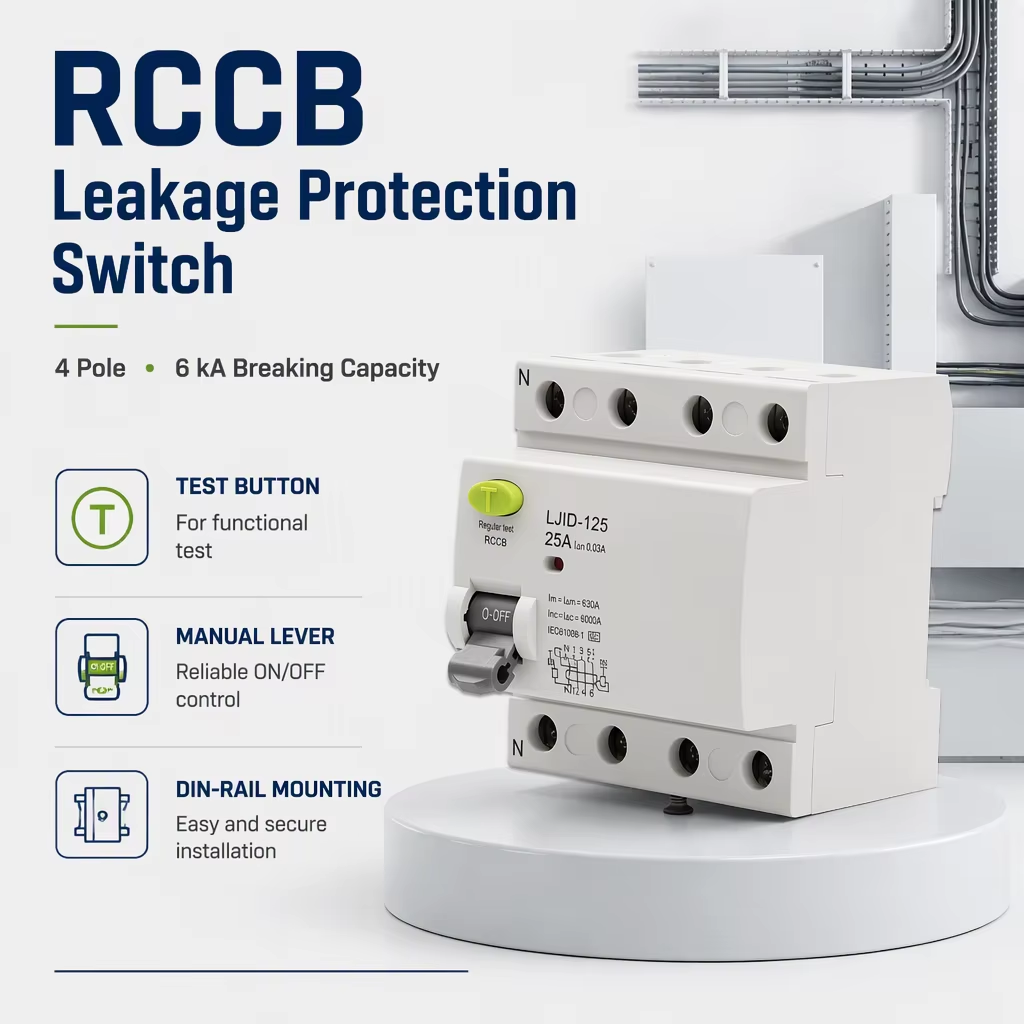
Electromagnetic Miniature RCCB Residual Current Breaker 16A-63A
- Poles2P / 4P Vector Balanced
- Sensitivity (IΔn)30mA / 100mA / 300mA
- Release PrincipleVoltage-Independent Mech
- StandardIEC/EN 61008-1
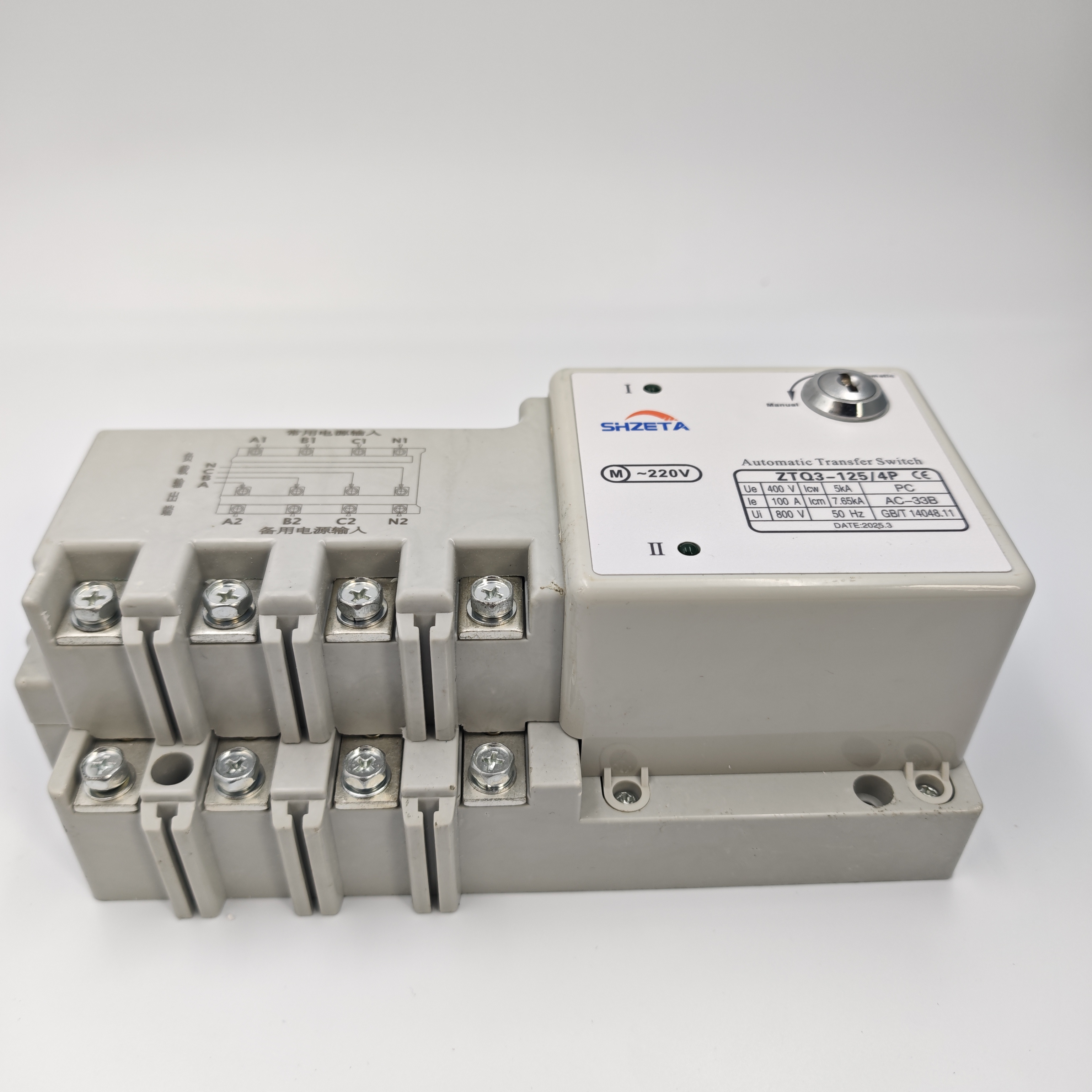
Dual Power Automatic Transfer Switch ZTQ3-100A/4P Changeover
- Rated Current100A (4-Pole Interlocked)
- Switching ClassPC Class / CB Available
- Insulation (Ui)800V AC High Dielectric
- Mechanical Life10,000 Operations Min
Generator Changeover Switch Architecture & Transfer Topologies
A comprehensive examination of electrical safety, arc mitigation dynamics, phase alignment, and international standard conformance for modern low-voltage backup infrastructure.
In contemporary power distribution architectures, emergency standby generation is the vital backbone defending telecommunication stations, healthcare complexes, hyperscale data centres, municipal water treatment facilities, and precision industrial lines against utility brownouts and total blackouts. At the junction between utility mains and secondary alternator sources sits the Generator Changeover Switch—commonly known as an Automatic Transfer Switch (ATS) or Manual Transfer Switch (MTS). The failure of this single switching mechanism can result in dangerous back-feeding, generator stator demolition, catastrophic phase flashovers, or prolonged facility downtime.
1. PC-Class vs. CB-Class Transfer Switching Equipment (TSE)
Under IEC 60947-6-1 (the definitive global standard governing low-voltage transfer switching devices), changeovers are grouped into two primary functional categories:
PC-Class Changeover Switches: Built purely as dedicated mechanical switching devices capable of making, carrying, and breaking normal current flows while tolerating intense short-circuit currents. PC-class devices do not incorporate integrated thermal-magnetic overload protection. Instead, they leverage energized solenoids or motorized gear-train operators to snap heavy silver-alloy (AgCdO or AgSnO2) contacts into place. Because they do not trip on overloads, PC-class transfer switches offer massive mechanical endurance, exceptional short-time withstand current (Icw), and unmatched resilience against erratic generator startup harmonic distortions.
CB-Class Changeover Switches: Formed by mechanically interlocked moulded case circuit breakers (MCCB) or miniature circuit breakers (MCB) outfitted with internal thermal-magnetic or electronic trip units. CB-class systems deliver dual functionality: supply commutation and overcurrent/short-circuit clearance. However, should an internal fault trip the breaker, downstream automated changeover logic cannot clear the fault without specialized electrical lockout interlocks, requiring manual clearance and technician reset.
2. Contact Erosion, Arc Quenching & Transition Dynamics
Whenever high continuous currents are interrupted under inductive loads (such as electric motors driving chillers or compressors), an electrical plasma arc forms across the parting contacts. In generator changeover switches manufactured at Zhejiang Graybar Electric, contact geometries are engineered with arc runners that drive the plasma column directly into de-ionizing splitter plates (arc chutes). These plates split, cool, and extinguish the arc within 5 to 10 milliseconds, preventing phase-to-phase short circuits across adjacent poles.
Furthermore, changeover mechanisms fall into specific transition methodologies:
- Open Transition (Break-Before-Make): The industry standard for safety. The primary power contact fully disengages and arc extinction is established before the secondary alternator contact touches. A programmable neutral-dwell timer (often set from 50ms to 2.5 seconds) allows decaying residual back-EMF from spinning induction motors to dissipate, eliminating lethal out-of-phase re-closing currents.
- Delayed Transition: Incorporates a deterministic mechanical stop in an isolated "Center-OFF" position. This allows voltage to drop to zero and inductive load fields to collapse completely before switching to standby power, safeguarding sensitive electronic variable frequency drives (VFDs).
- Closed Transition (Make-Before-Break): Used in mission-critical applications where parallel synchronization between utility and generator is permitted for brief overlapping windows (<100ms) to achieve uninterrupted load shifting without millisecond drops.
3. 3-Pole vs. 4-Pole Switching and Neutral Conductor Hazards
A frequent error in switchgear layout is the incorrect specification of 3-pole versus 4-pole changeover switches. In systems with separately derived sources (where the generator neutral is bonded directly to local earth) or environments subject to significant non-linear single-phase loads generating third-order triplen harmonics (150Hz), a switched 4-pole changeover is non-negotiable.
Utilizing a solid, un-switched neutral conductor creates multiple parallel earth paths, distorting ground-fault current vector summation in upstream Residual Current Circuit Breakers (RCCBs) and causing spurious nuisance tripping. Graybar 4-pole changeover switches feature overlapping neutral contacts or early-make/late-break neutral poles. This ensures that the neutral connection is established prior to the phase contacts touching, and remains unbroken until after the phase contacts open, eradicating dangerous floating-neutral overvoltage spikes across sensitive phase-to-neutral household or IT loads.
| Feature / Parameter | DIN Rail Modular ATS (2P/4P) | Motorized MCCB Type (CB-Class) | Heavy-Duty Rotary PC-Class ATS |
|---|---|---|---|
| Typical Rated Current (In) | 16A to 63A Continuous | 63A to 630A Adjustable | 100A to 3200A Continuous |
| Primary Application | Residential boards, telecom towers, micro-inverters | Industrial sub-distribution, commercial HVAC | Main incomers, hospitals, data centres, mining |
| Transfer Time (I-II) | < 50 ms (Rapid magnetic flip) | 1.5 s – 3.0 s (Motorized drive mechanism) | 80 ms – 180 ms (Spring charged solenoid) |
| Short-Circuit Rating (Icw / Icu) | 4.5kA – 6kA conditional | 25kA – 65kA breaking capacity | 50kA – 100kA short-time withstand |
| IEC Utilization Category | AC-31B (Non-inductive/slightly inductive) | AC-33iA (Frequent industrial mixed load) | AC-33B (Motor loads, heavy inductive switching) |
| Standard Reference | IEC 60947-6-1 / IEC 60898-1 | IEC 60947-2 / IEC 60947-6-1 | IEC 60947-6-1 / GB/T 14048.11 |
Future Procurement Trends in Emergency Power Transfer
How global decarbonization mandates, microgrid adoption, and intelligent edge telemetry are transforming B2B changeover switch procurement through 2030.
1. Hybrid Solar-plus-Storage & Multi-Source Commutation
Procurement teams are shifting away from rigid binary "Grid-or-Generator" switches toward three-source intelligent transfer nodes. Modern facilities combine commercial grid power, photovoltaic solar arrays with Battery Energy Storage Systems (BESS), and reciprocating diesel/gas generators.
- Demand for tri-stable (Source I - Source II - Source III) changeover systems.
- Dynamic threshold programming based on peak-shaving tariffs and state-of-charge (SoC).
- Bidirectional power flow interlocks preventing accidental inverter back-feed to dead generators.
2. IoT Telemetry, Modbus TCP & Remote Predictive Health
Passive mechanical changeover switches are rapidly being superseded by digital-native units with integrated telemetry. Smart switchgear buyers mandate integrated microcontrollers delivering real-time harmonic analysis, contact wear calculation, and thermal monitoring at terminal lugs.
- Native RS-485 Modbus RTU / Modbus TCP connectivity for SCADA / BMS integration.
- Predictive alerting on contact resistance rises prior to catastrophic terminal burn-out.
- Automated periodic exercise cycle logs with or without load transfer routines.
3. Compact DIN-Rail Footprints & Modular Enclosures
Real estate inside electrical cabinets commands a steep premium. Switchgear assemblers and telecom base station operators require high-current capacity packed into ultra-compact, modular DIN-rail form factors without sacrificing creepage and clearance distances.
- Miniaturized 63A to 125A transfer units mounting alongside miniature circuit breakers.
- Flame-retardant V0-grade PBT and PA66 thermoplastic housings with enhanced CTI (>600V).
- Plug-and-play auxiliary contact cartridges for instant generator autostart signaling.
Technological Evolution of Generator Transfer Switches
Evaluating upcoming manufacturing breakthroughs: static solid-state hybridization, high-velocity electromagnetic actuators, and zero-crossing synchronized switching.
Sub-Cycle Static-Mechanical Hybrid Commutation
Traditional mechanical switches transfer in 30ms to 100ms, while pure Static Transfer Switches (STS) based on Silicon-Controlled Rectifiers (SCR) transfer in <4ms but suffer continuous conduction thermal losses. Next-generation hybrid units will utilize SCRs to perform sub-cycle transfer without arcing, followed instantaneously by a mechanical bypass contactor that clamps down to eliminate thermal dissipation.
Zero-Crossing Phase Angle Synchronization Logic
Modern transfer microprocessors continuously track the sinusoidal frequency, phase angle, and amplitude of both the normal grid and incoming generator alternator. Transfer mechanisms trigger precisely as the voltage differential crosses the zero axis. This eliminates electromagnetic torque spikes on motor shafts and prevents surge arresters (SPDs) from absorbing sudden out-of-phase line transitions.
Advanced Sintered Silver-Metal Oxide Contact Alloys
R&D at our Liushi testing laboratories focuses on proprietary AgSnO2-In2O3 (silver tin-indium oxide) metallurgical matrices. These composite contact tips demonstrate drastically higher anti-welding properties under heavy inrush capacitive currents and lower material migration compared to historic toxic silver cadmium oxide (AgCdO), extending operational lifespans past 100,000 operations.
Why Tier-1 Panel Builders Source from Zhejiang Graybar Electric
Rooted in China's low-voltage electrical capital, Zhejiang Graybar Electric Co., Ltd. combines localized supply-chain agility with world-class quality verification standards.
Liushi Component Ecosystem
Headquartered in Huangyu Village, Liushi Town, Wenzhou—the heart of China's electrical engineering cluster. We benefit from localized component stamping, silver sintering, coil winding, and rapid tooling turnaround.
End-to-End FAT Inspection
Every switchgear assembly undergoes automated Factory Acceptance Testing (FAT), including 2.5kV dielectric withstand, contact resistance micro-ohm testing, millisecond transfer timing, and mechanical trip endurance.
Hyper-Flexible MOQs & OEM
We eliminate inventory holding barriers for overseas distributors. Standard MCB, MCCB, and SPD units begin at an accessible 5-piece MOQ, with Air Circuit Breakers (ACB) starting from 1 piece for pilot sample validation.
CE, RoHS & IEC Compliance
Our product architectures are systematically designed with reference to IEC 60947-6-1 (Transfer Switches), IEC 60947-2 (MCCB/ACB), IEC 60898-1 (MCB), and IEC 61643-11 (SPD), backed by full third-party test documentation.
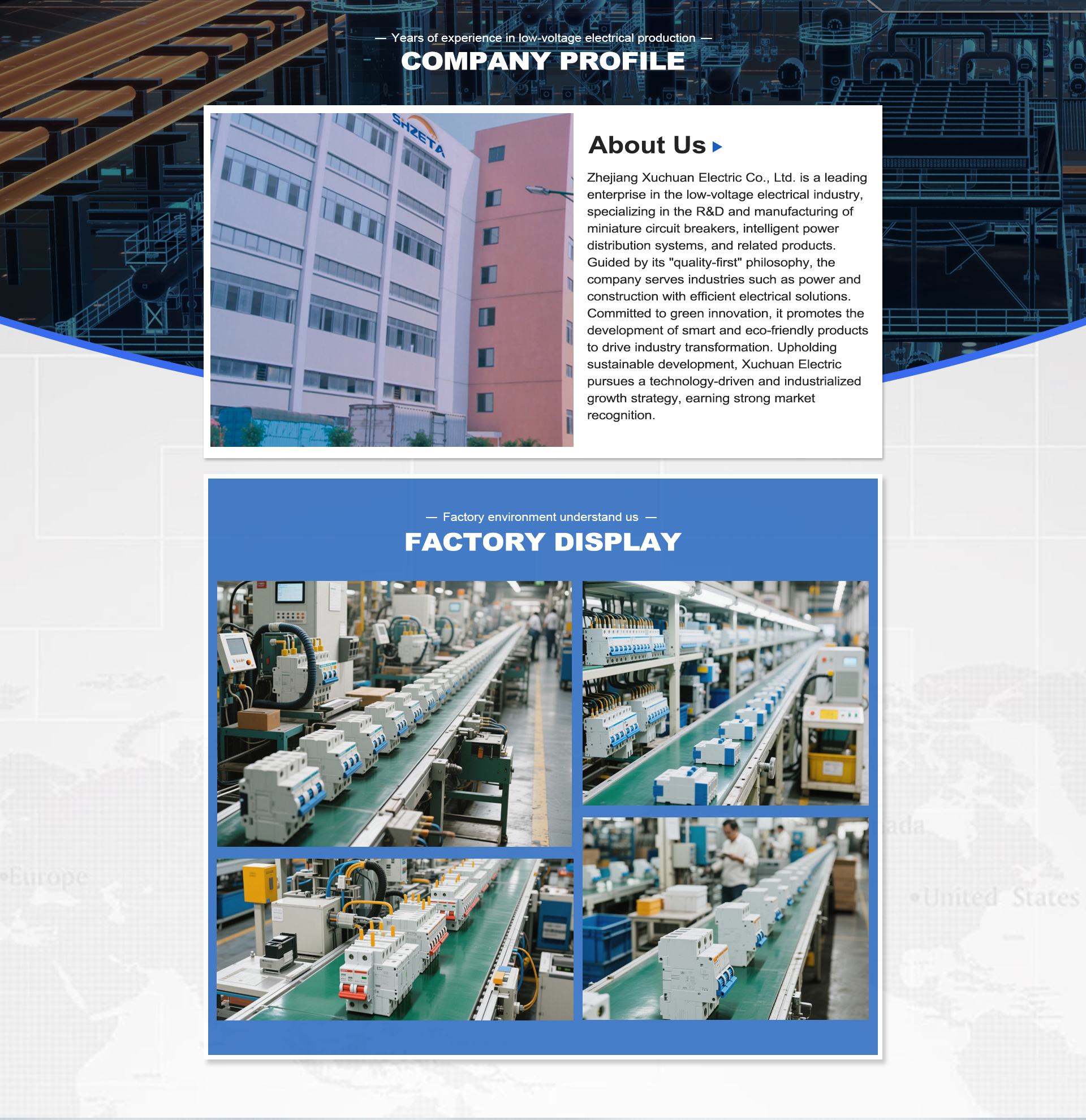
Integrated Manufacturing & Quality Control
From thermo-mechanical housing injection moulding to automatic ultrasonic contact riveting, Zhejiang Graybar Electric maintains stringent process audits. Our on-site laboratory is equipped with constant temperature and humidity chambers, salt spray corrosion test stands, optical profile projectors, and high-current short-time cycle test benches.
Whether you require custom laser-marked private labels, client-specific coil control voltages (24VDC, 110VAC, 230VAC, 400VAC), customized auxiliary contacts, or consolidated multi-category shipping, our Liushi engineering squad delivers end-to-end responsiveness within 24 hours.
Send an Inquiry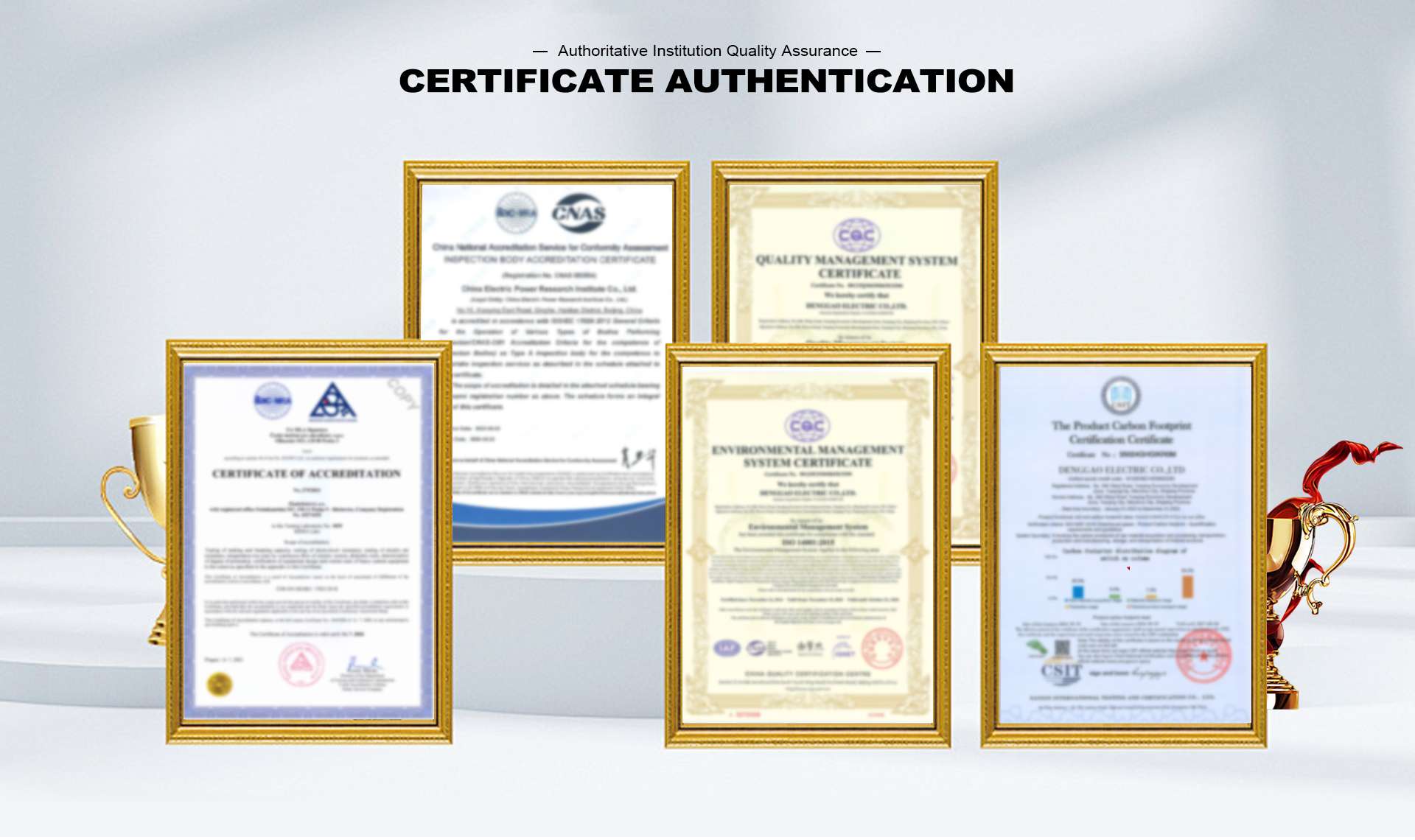

Frequently Asked Questions on Generator Changeover Procurement
Detailed engineering and supply chain answers to the critical technical queries posed by switchboard designers, procurement officers, and electrical contractors.
1. How does a PC-Class ATS differ from a CB-Class transfer switch in practice?
2. Why is neutral conductor switching (4-Pole ATS) essential for standby generators?
3. What transfer time should I specify to prevent inductive load flashovers?
4. What standards must a changeover switch meet to obtain legitimate CE certification?
5. What are the minimum order quantities (MOQ) and production lead times?
6. Does Zhejiang Graybar Electric offer OEM / ODM private labeling services?
7. How do I coordinate Surge Protective Devices (SPDs) with a changeover switch?
8. What routine testing does Graybar conduct prior to container dispatch?
Planning a Switchboard Project or Seeking a Reliable OEM Supplier?
Submit your Bill of Materials (BOM), project single-line diagram (SLD), or distribution tender specification. Our senior low-voltage switchgear application engineers will evaluate your requirements and provide verified test reports, drawings, and competitive factory pricing within 24 hours.