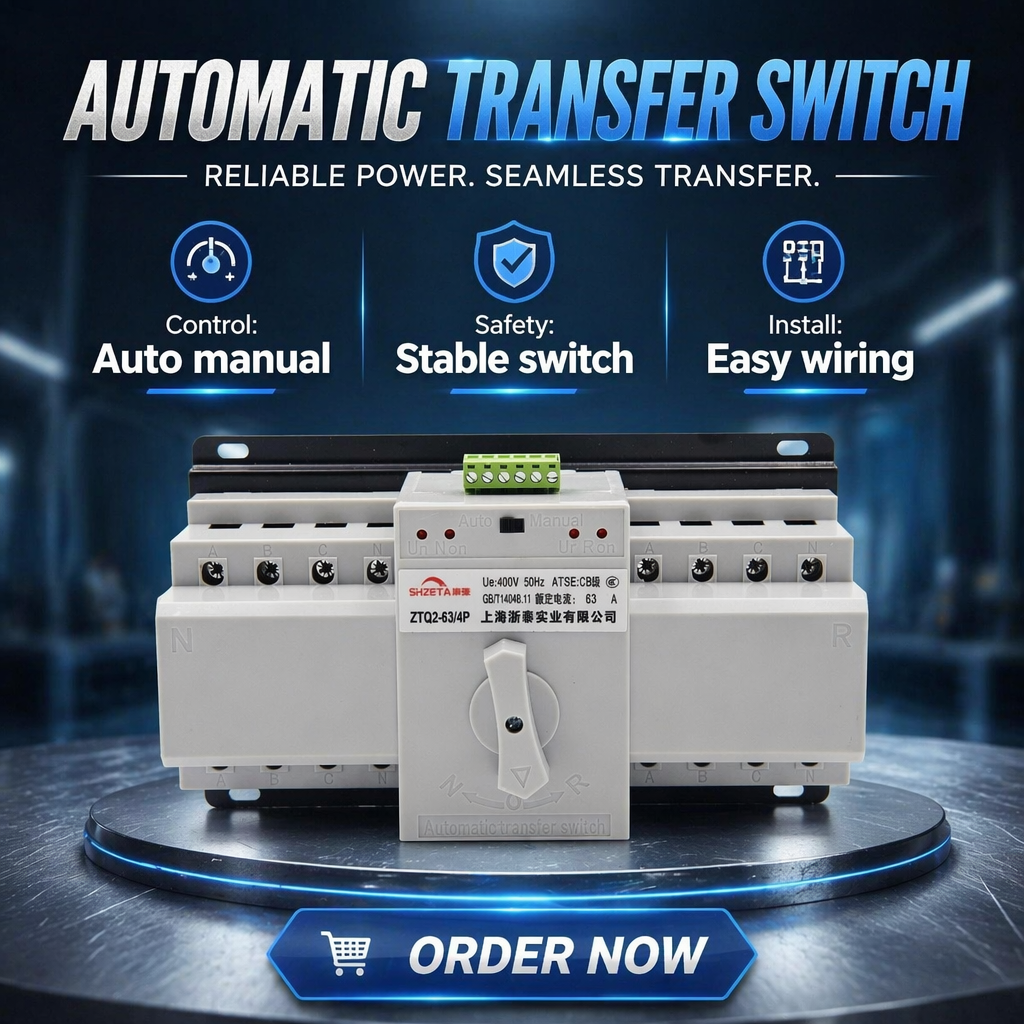
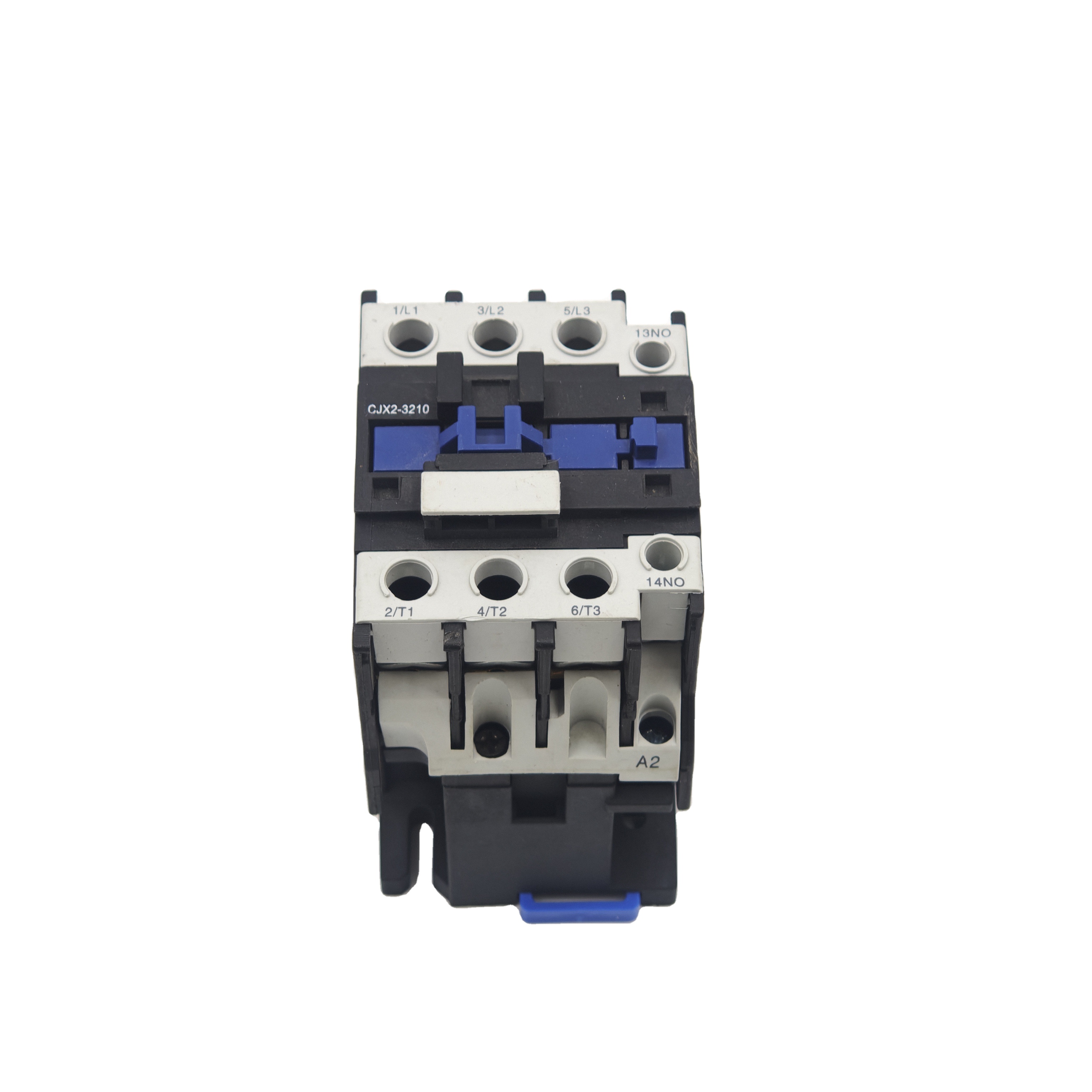
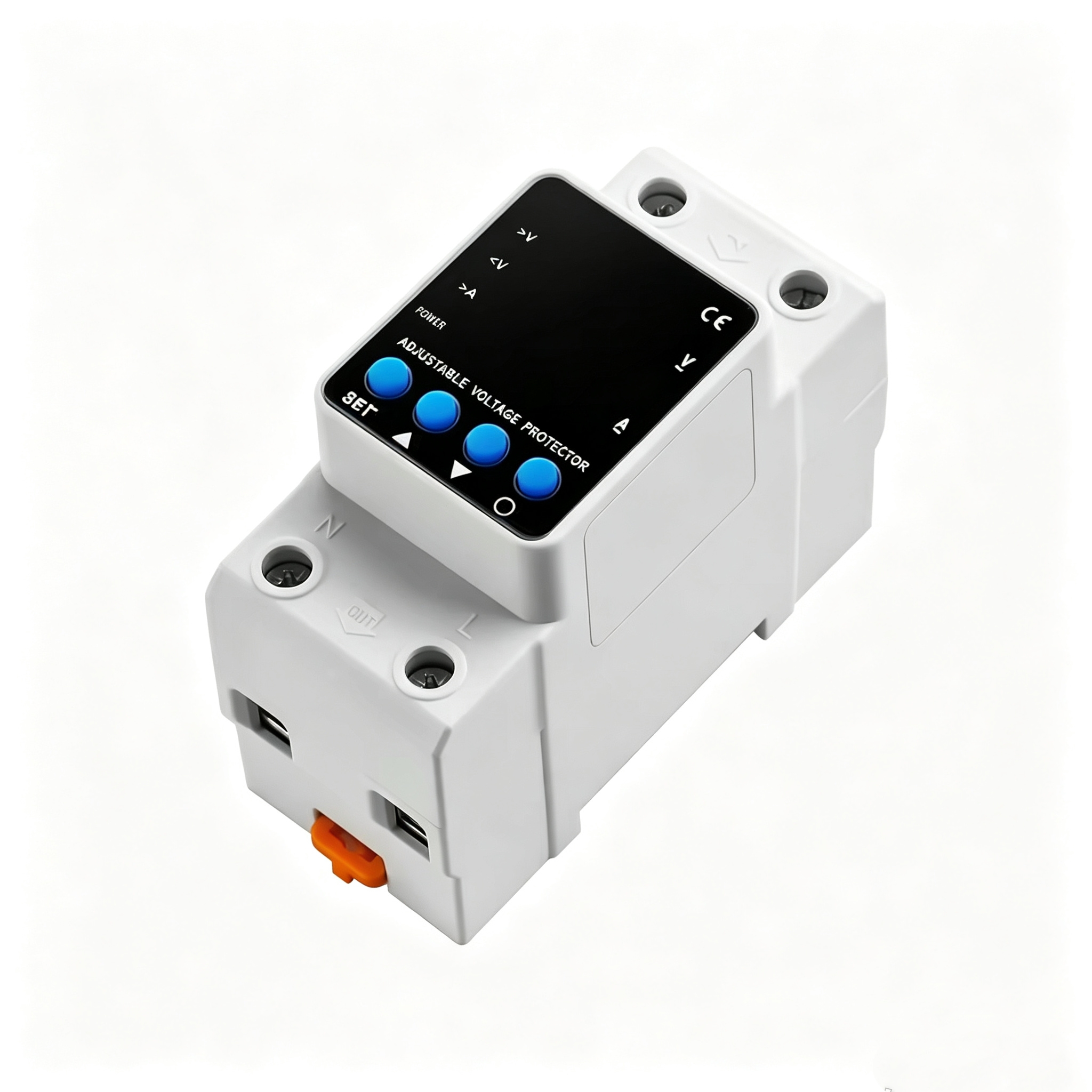
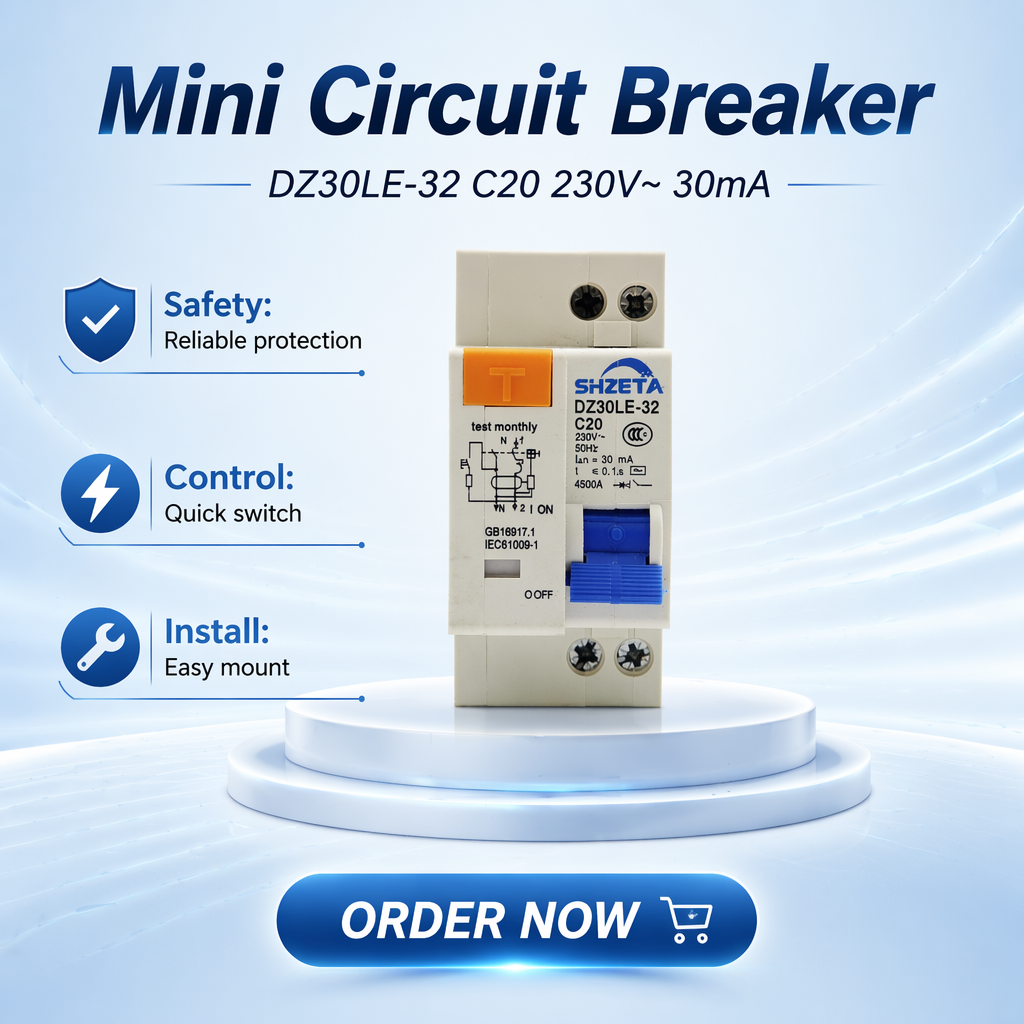
Engineered DIN Rail Lineup & Sub-Assembly Devices
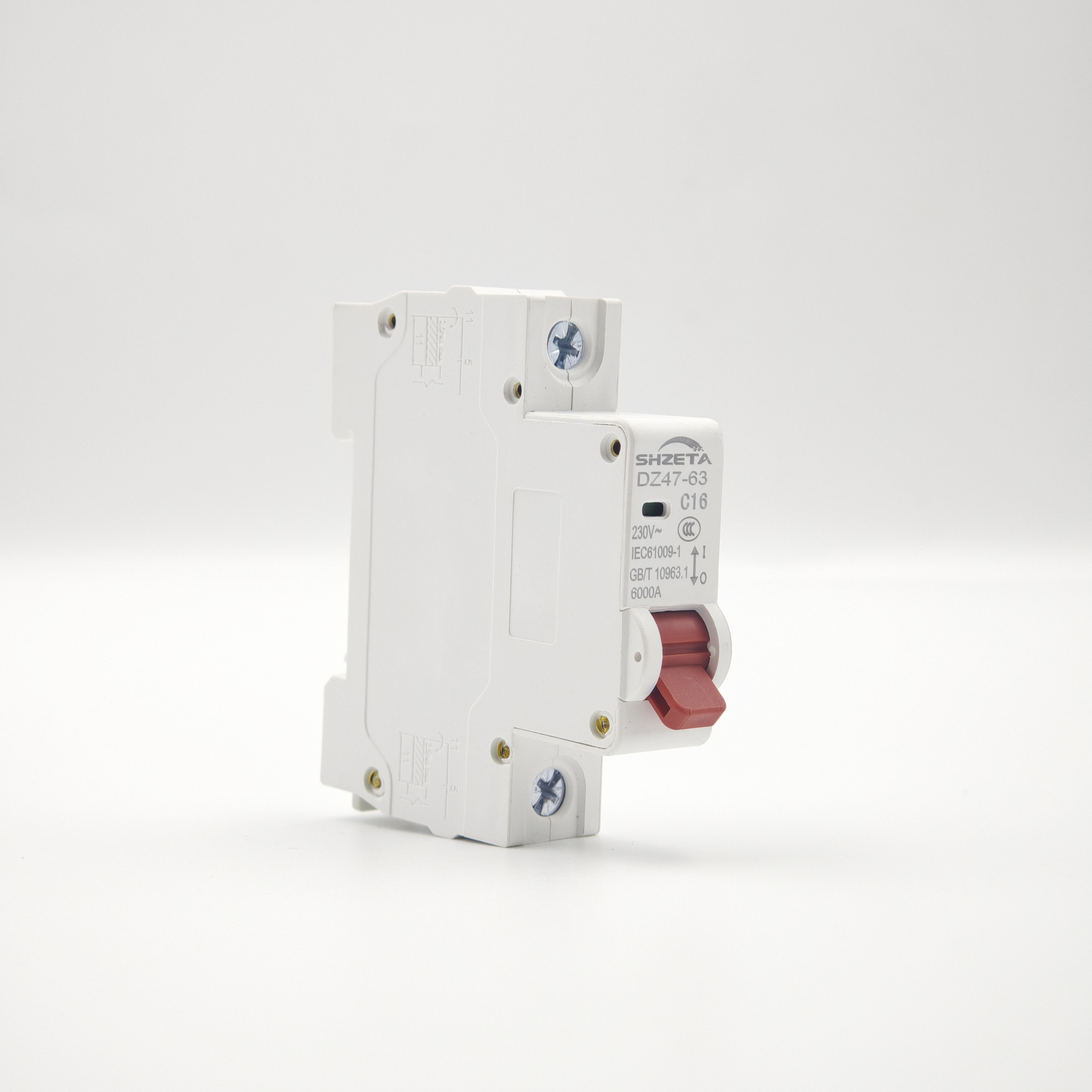
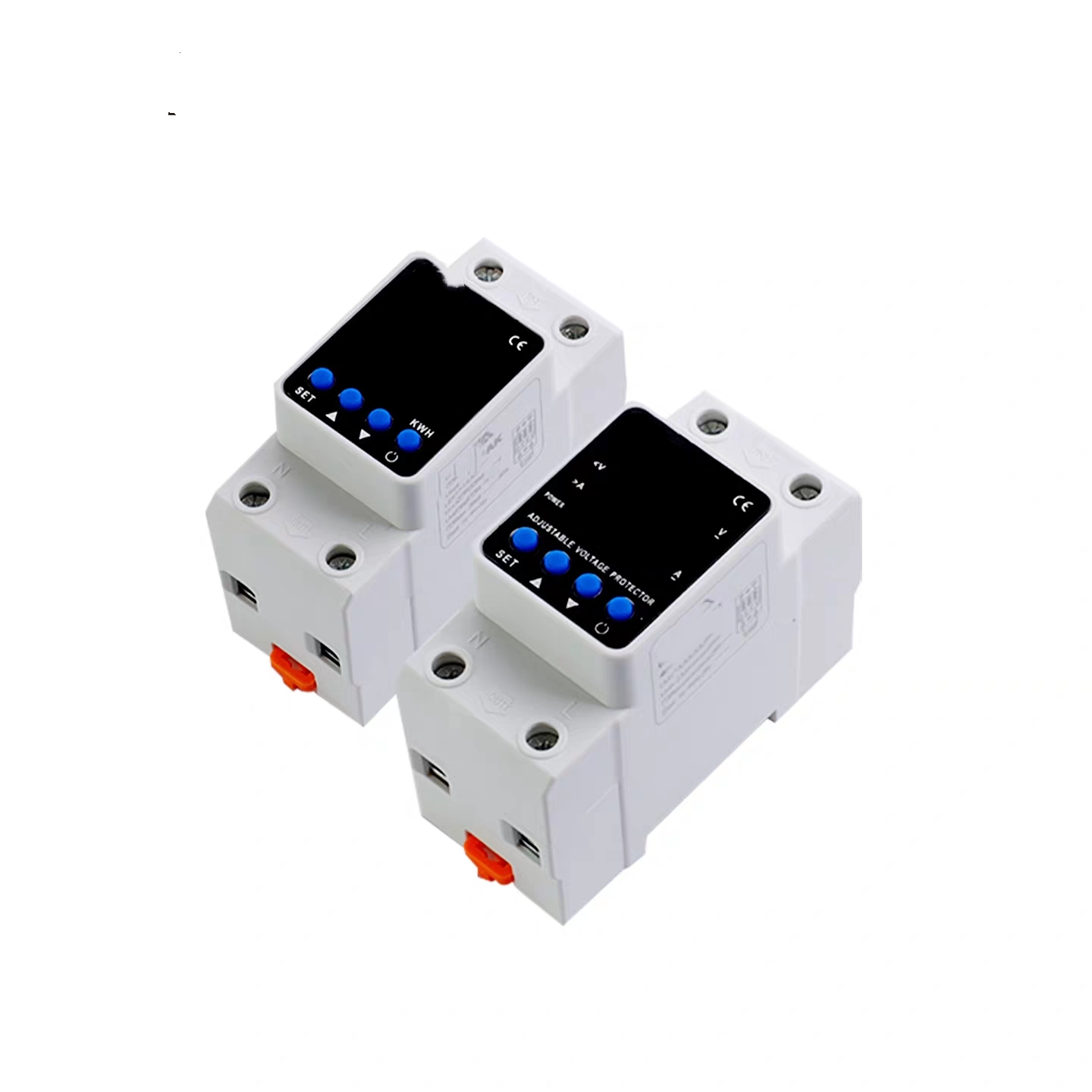
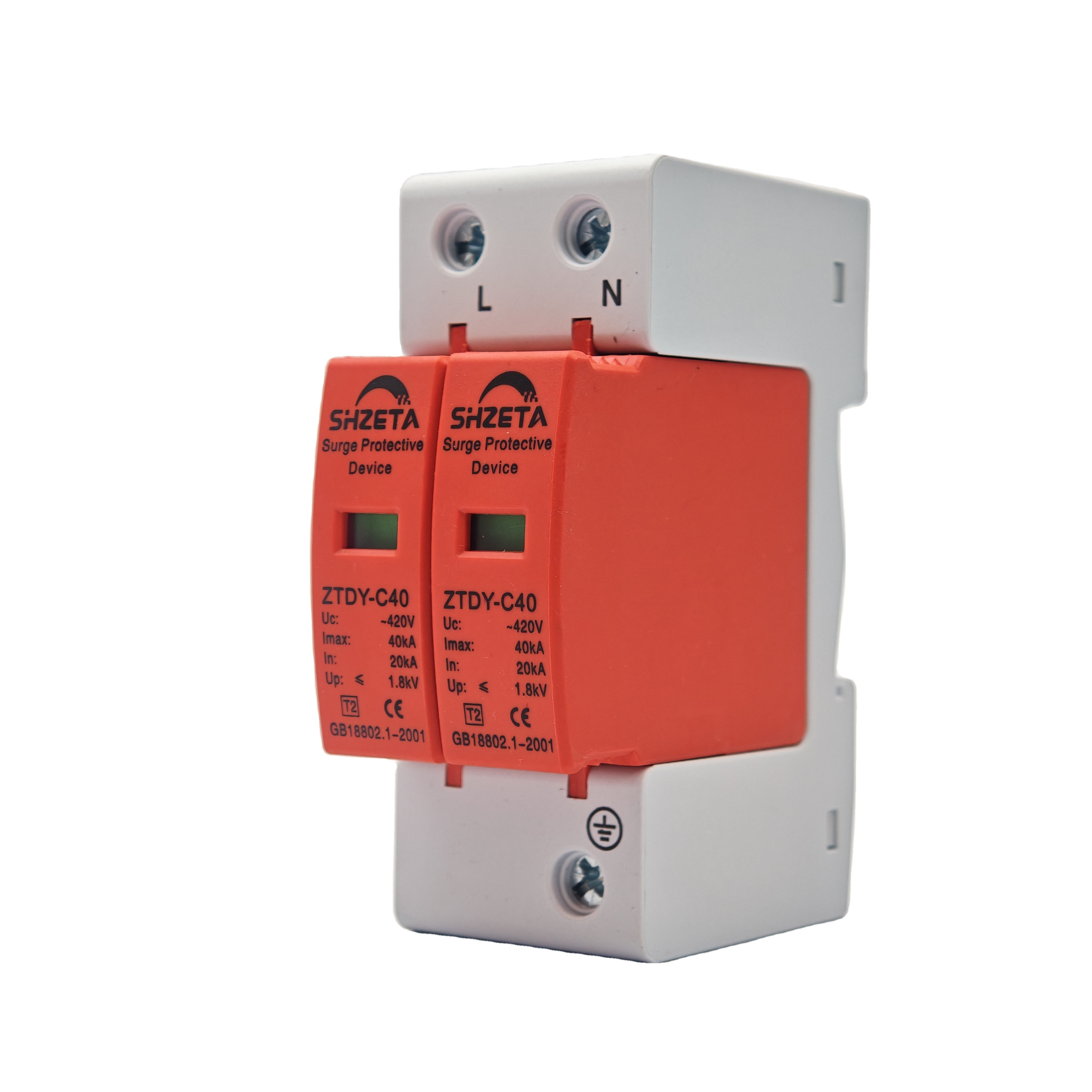
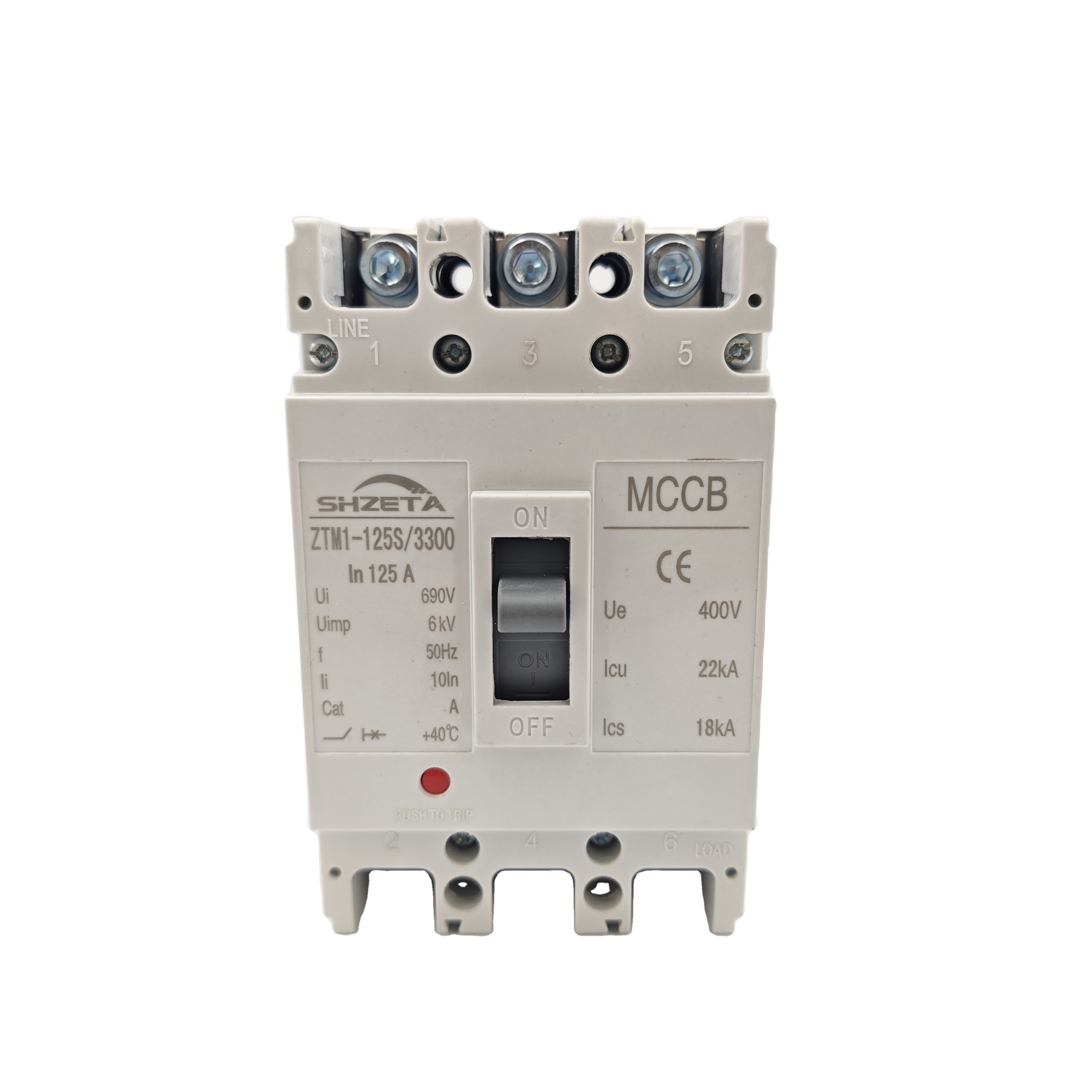
Precision-tested low-voltage protection units featuring thermoset anti-arc chambers, calibrated bi-metal strips, and silver-graphite alloy contacts.
Engineering Anatomy: Technical Architecture of CE-Compliant DIN Rail MCBs
A rigorous examination of contact mechanics, arc suppression matrices, and breaking dynamics governing high-yield export circuit breakers.
1. Arc Quenching and Chamber Metallurgy
The fundamental differentiator of a premium CE-marked Miniature Circuit Breaker (MCB) resides within its internal contact metallurgy and the thermodynamic efficiency of its arc-chute assembly. Under high-prospective fault currents—often exceeding 6,000A to 10,000A at 230/400V AC—the rapid separation of the stationary and dynamic contacts generates a localized electrical arc ionizing air temperatures in excess of 4,000 Kelvin.
Our manufacturing protocol implements an optimized de-ionizing splitter plate matrix consisting of 9 to 13 nickel-plated ferromagnetic steel fins. When separation occurs, the electromagnetic loop force (Lorentz Force) rapidly propels the arc away from the silver-graphite (AgC) or silver-tin-oxide (AgSnO2) contact tips into the expanding chamber. The arc is fragmented into smaller, series-connected sub-arcs, accelerating voltage drop and inducing rapid extinction before energy dissipation reaches critical thresholds (I²t minimization). This protects the structurally robust, flame-retardant polyamide PA66 casing from catastrophic mechanical deformation and dielectric degradation.
| Trip Characteristic Curve | Magnetic Trip Range (x In) | Standard Response Duration | Optimal Engineering Applications |
|---|---|---|---|
| Type B Curve | 3 - 5 In | 0.1s < t < 45s (thermal dependent) | Resistive domestic loads, electric heating, long conductor feeds without surge profiles. |
| Type C Curve | 5 - 10 In | 0.1s < t < 15s (thermal dependent) | General-purpose commercial fluorescent luminaires, small inductive motors, standard switchgear. |
| Type D Curve | 10 - 20 In | 0.1s < t < 4s (inrush tolerant) | Heavy industrial inductive loads, high-capacity welding apparatus, UPS plants, transformers. |
| Type K & Z Curves | 8 - 14 In / 2 - 3 In | Instantaneous micro-gap trip | Highly specialized semiconductor protection, sensitive PLC controllers, medical electronics. |
Strategic Procurement Trends in Global Low-Voltage Distribution
Procurement directors and B2B EPC switchboard aggregators face a rapidly transitioning supply chain landscape. The paradigm is shifting away from low-tier component cost hunting toward holistic total lifecycle and compliance verification metrics:
Bi-Directional DC System Integration
Surging utility-scale and rooftop PV-BESS deployments necessitate DIN rail circuit breakers engineered with permanent polarized ceramic magnetic blowouts. Devices must safely handle up to 1000V DC fault currents without relying on unstable AC zero-crossing arc dissipation profiles.
Integrated Telemetry & Smart Micro-MCBs
The demand for energy management under ISO 50001 is driving procurement toward DIN rail modules with integrated shunt meters, RS485 Modbus, and Zigbee/Wi-Fi chips that track current, line voltage, terminal temperature, and predictive insulation breakdown without expanding module width.
Supply Chain Carbon Transparency & RoHS 3
European Union carbon border adjustment mechanisms (CBAM) and rigorous enforcement of RoHS 3 and REACH protocols mean Tier-1 buyers require material trace certifications down to the thermosetting resin compound, lead-free contact rivet solder, and zero halogen composition.
Product Evolution: Next-Generation DIN Rail Protection
The mechanical circuit breaker is transitioning into an advanced electro-mechanical solid-state hybrid system. Looking forward over the next 3 to 7 years, several foundational technologies are redefining breaker architecture:
- Solid-State (SSCB) & Hybrid Interruption: Using high-power Silicon Carbide (SiC) and Gallium Nitride (GaN) semiconductors, solid-state interruption units break fault currents in fractions of a microsecond—entirely eliminating physical arc flashes and prolonging contact life indefinitely.
- Integrated Multi-Spectrum Diagnostics: Next-generation MCB sub-assemblies incorporate miniature optical waveguides or infrared sensors right above the contact bridge, cross-checking acoustic and visual light signatures to detect parallel and series micro-arcing (AFDD integration) with near-zero false-positive rates.
- Modular Compact Dimensions (0.5 Modular Width): High-density micro-distribution boards demand full 1P+N residual current and overload protection crammed into an ultra-slim 9mm module housing, demanding composite thermal dissipation pathways that bypass conventional spatial limits.
Manufacturer Direct Advantage: Zhejiang Graybar Electric
Located in Huangyu Village, Liushi Town, Wenzhou—the world's foremost manufacturing cluster for low-voltage electrical apparatus.
Zhejiang Graybar Electric Co., Ltd. integrates full-cycle precision manufacturing, laboratory verification, and global export handling. We bridge the gap between competitive engineering pricing and rigorous international standards:
Localized Ecosystem
Immediate access to Tier-1 raw materials, stamped brass terminals, bi-metal strips, and silver contacts within a 10km radius ensures shortened fabrication schedules and stable costs.
Automated Quality Screening
Every production batch undergoes automated computerized thermal tripping calibration, high-voltage flash dielectric testing, and instantaneous magnetic drop checks before hermetic packaging.
OEM/ODM Agility
Customizable front-plate laser engraving, customized multi-pole bridging linkages, diverse tripping characteristics, personalized color levers, and multilingual terminal labeling for private labels.
Frequently Asked Questions: Global Sourcing & Engineering Review
Direct answers for switchboard builders, testing inspectors, and international procurement agencies.
What is the technical operational difference between IEC 60898-1 and IEC 60947-2 standards?
How do high ambient panel temperatures affect DIN Rail MCB de-rating?
Can standard AC Miniature Circuit Breakers be installed on DC voltage circuits?
What is the distinction between Ultimate Breaking Capacity (Icu) and Service Breaking Capacity (Ics)?
What testing protocols are executed before export consignments leave Liushi?
What OEM / ODM options are available for overseas engineering distributors?
Direct Factory Technical Verification & B2B Inquiries
Connect with our senior electrical application engineers in Liushi. Request complete IEC type-test reports, third-party CE documentation, customized factory CAD profiles, and direct container-load quotes for your region.