Engineered Protection & Switching Apparatus
Source directly from our Wenzhou manufacturing hub. Fully compliant with IEC 60898-1, IEC 60947-2, and CE low voltage directives (LVD), providing flawless short-circuit, thermal-overload, and automated source transfer security.
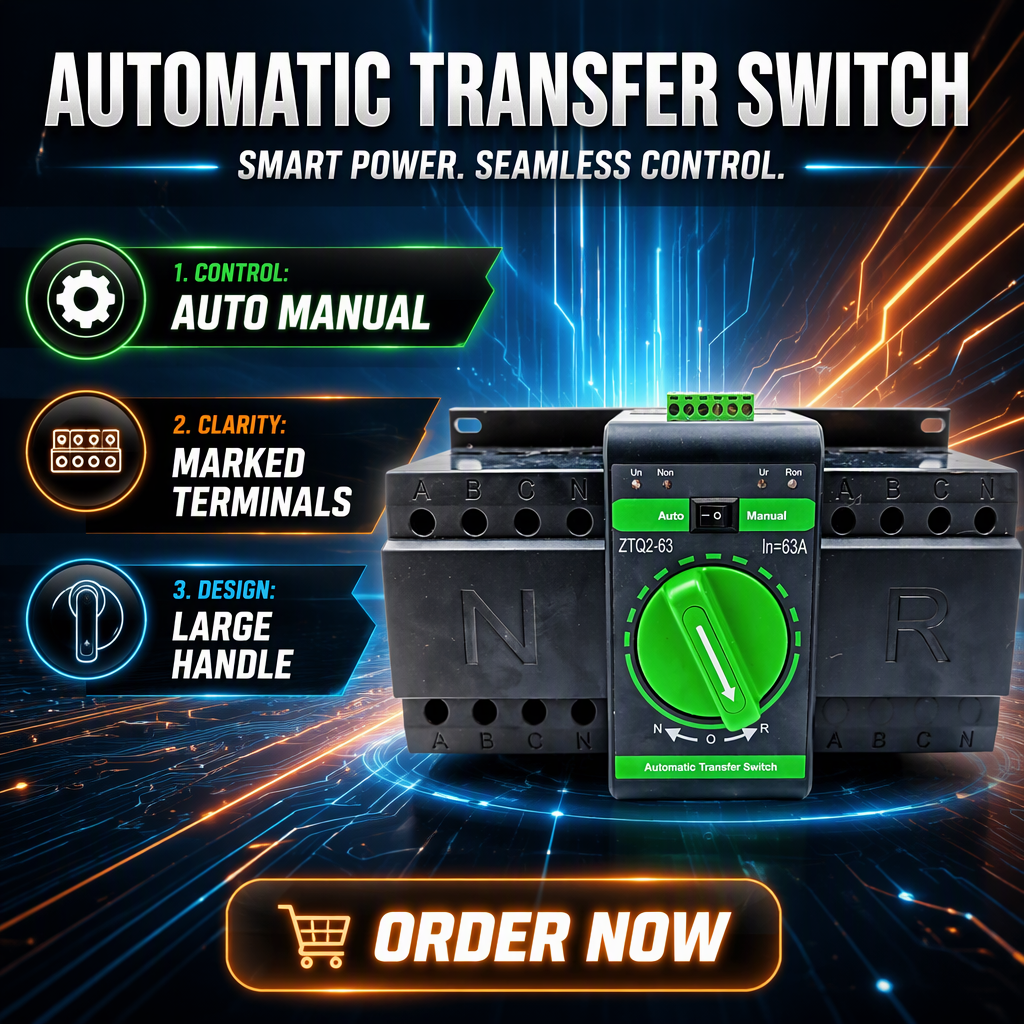
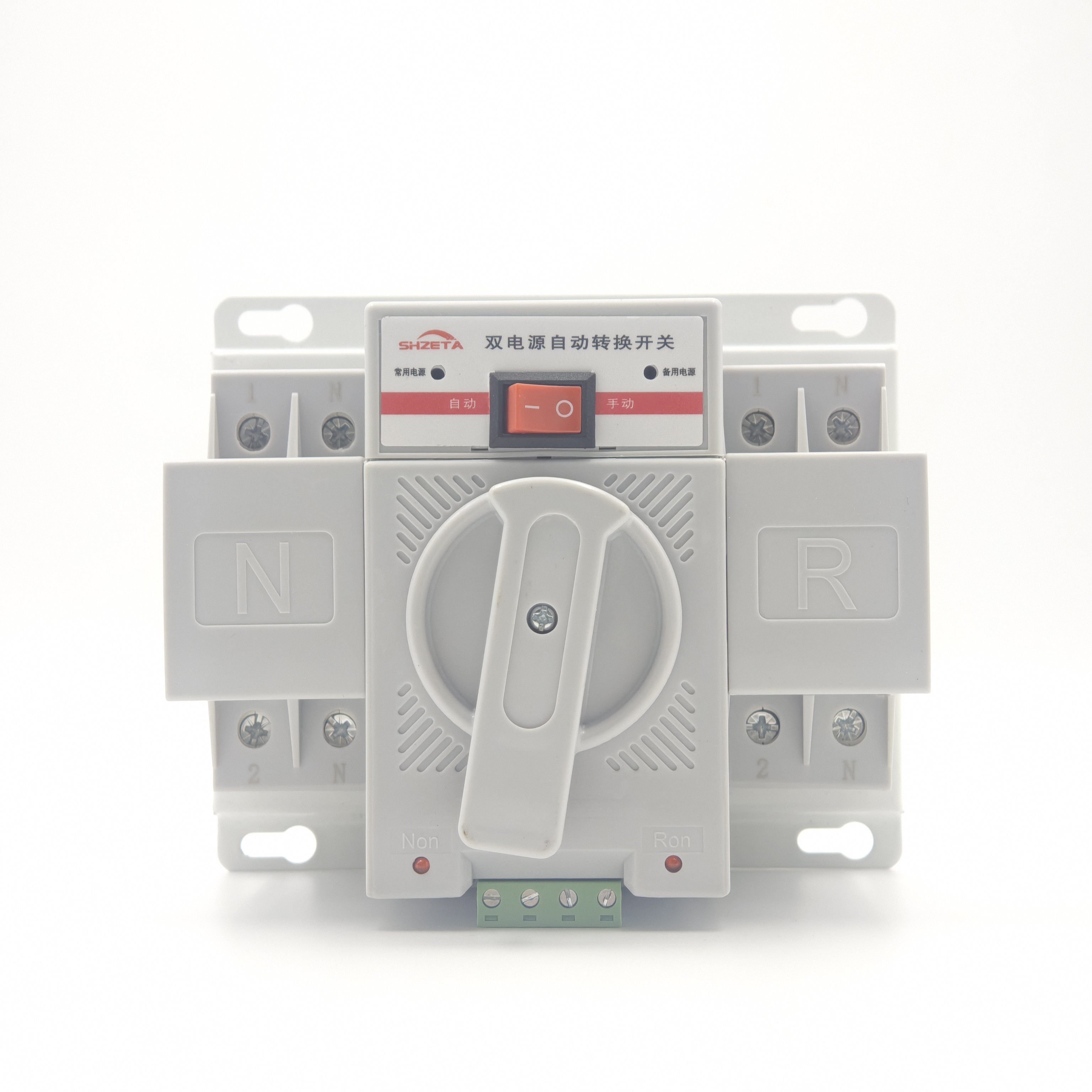
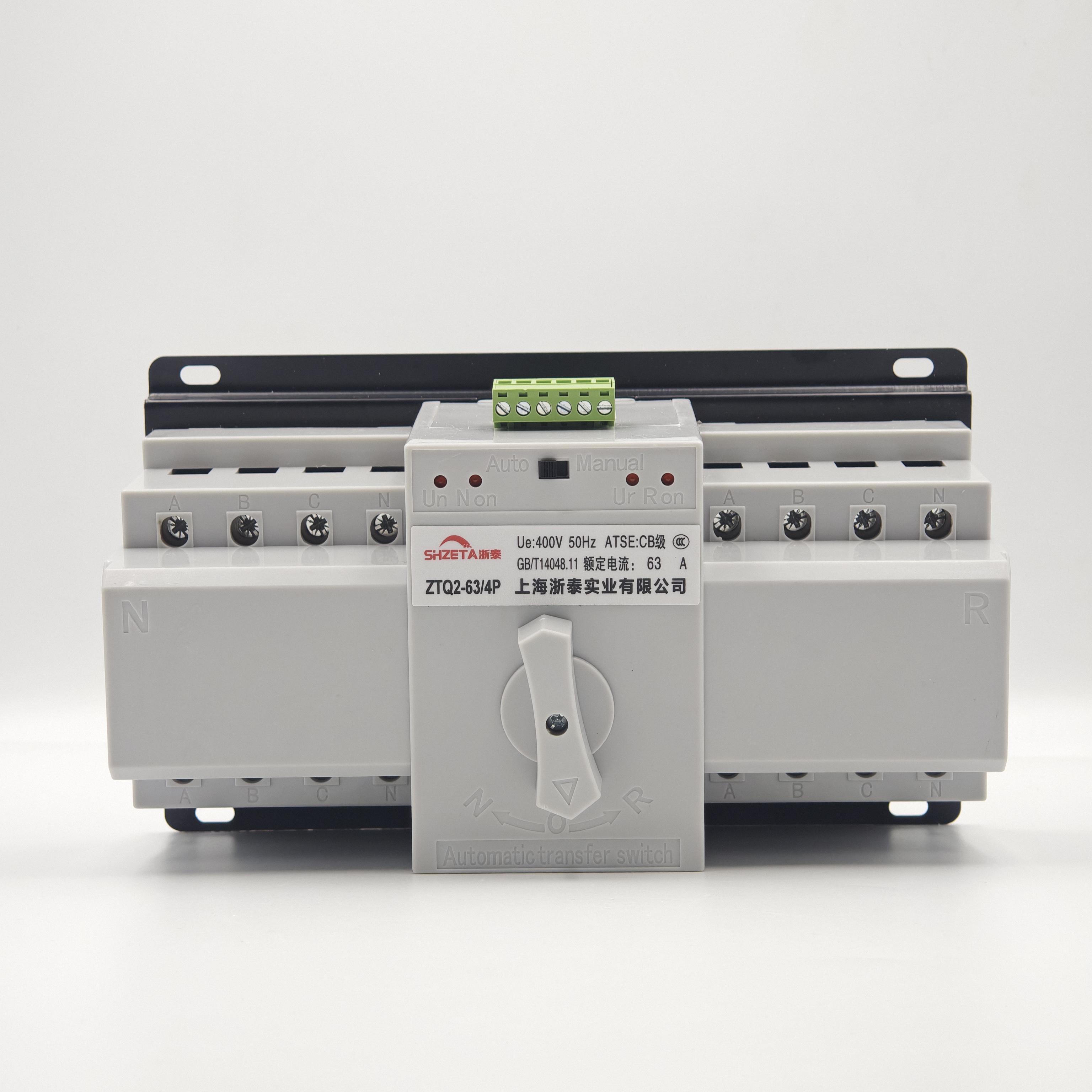
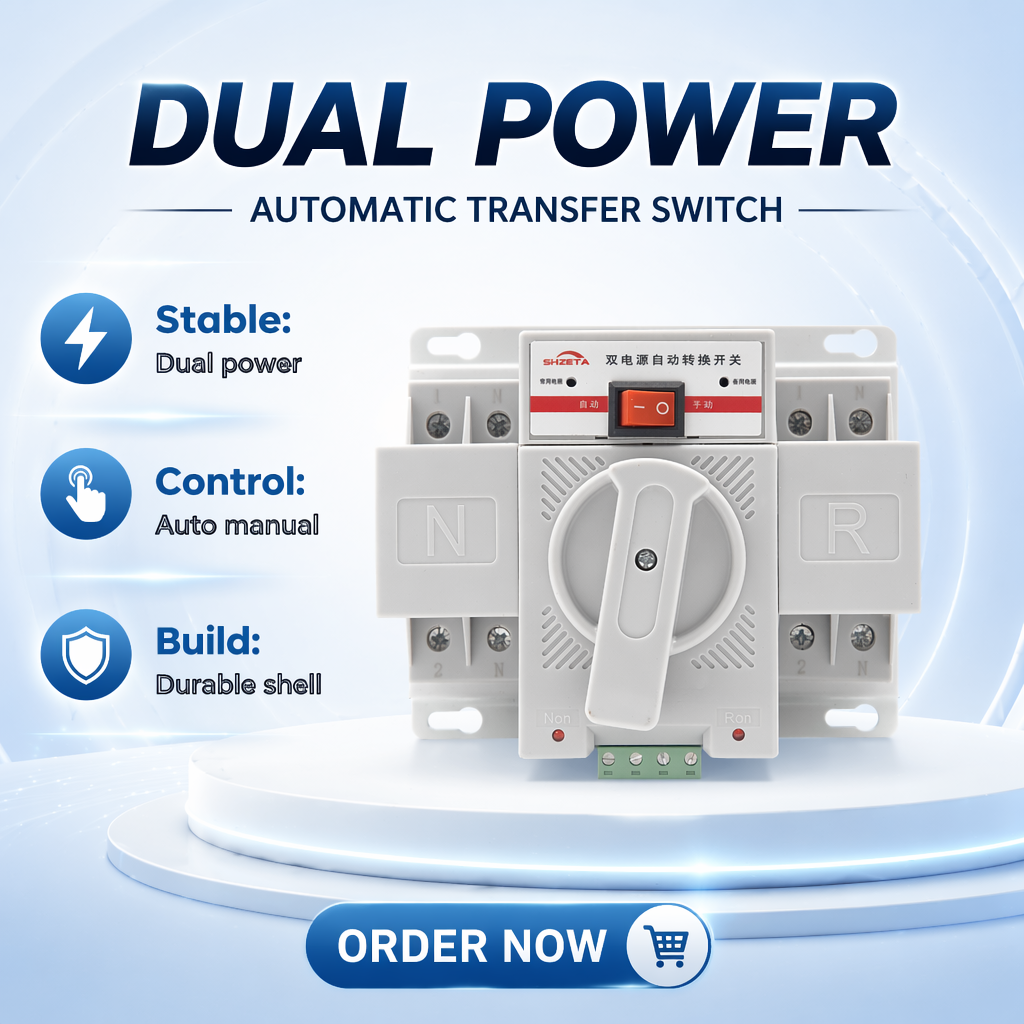
Engineering Matrix: Application & Product Recommendations
Selecting compliant AC miniature circuit breakers requires rigorous mathematical correlation between prospective fault current (Isc), upstream service disconnect characteristics, and mechanical thermal trip endurance.
Type B Trip Curve (3–5 In)
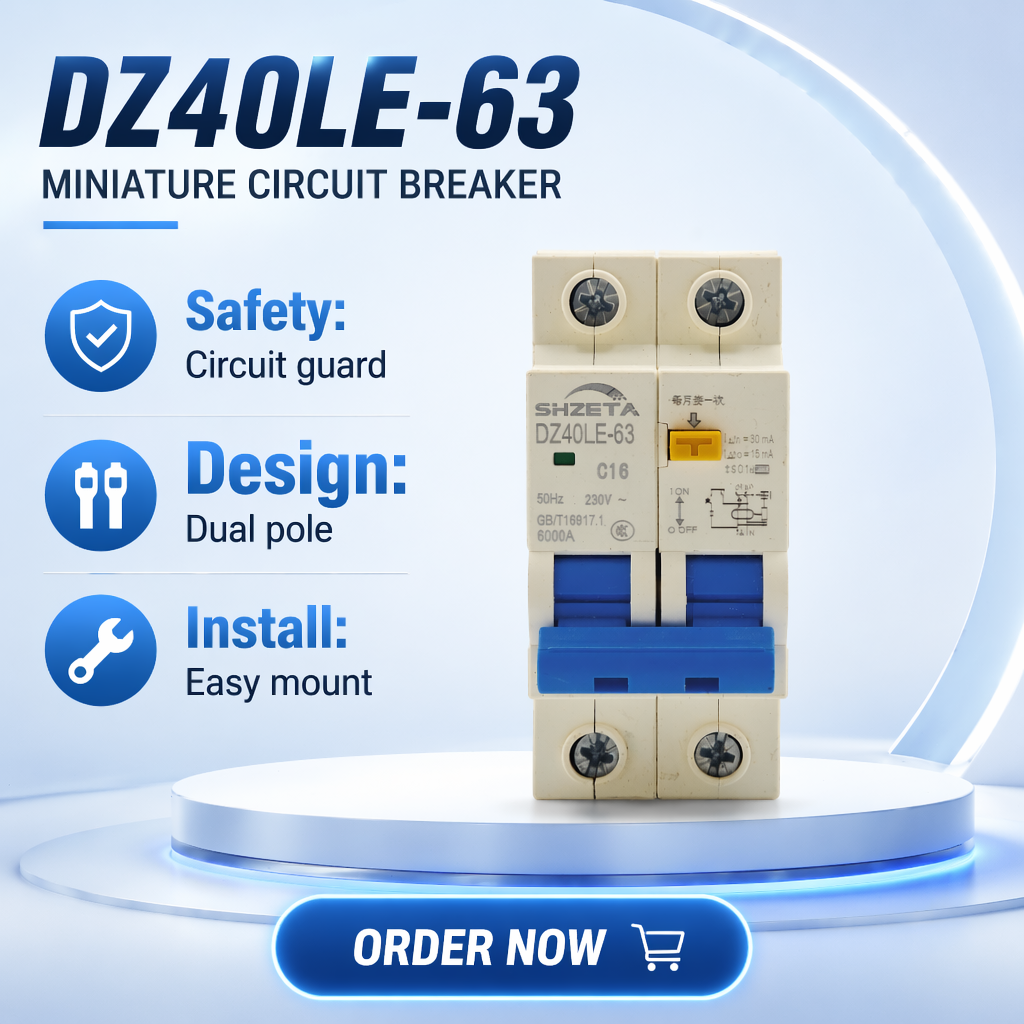
Engineered for resistive circuits where prospective switching surges are negligible. Typical configurations cover electric heating units, domestic water systems, and long cable runs in rural TN systems where low fault currents necessitate instantaneous electromagnetic clearance to guarantee human life safety.
Type C Trip Curve (5–10 In)
The standard commercial workhorse for inductive equipment, fluorescent ballast arrays, small pumps, and industrial lighting switchboards. Calibrated with high thermal dissipation bimetal conductors to mitigate nuisance tripping under standard operational motor-inrush currents.
Type D Trip Curve (10–20 In)
Tailored for high inrush inductive profiles, industrial transformers, solenoid drivers, and heavy motor feeders. Combined with our silver-graphite alloy contacts to withstand intense arc vaporization without contact welding during peak magnetic impulse operations.
Market Shifts: Procurement & Technological Evolution
As the electrification megatrend accelerates, the low-voltage apparatus sector is transitioning from dumb mechanical isolation to cloud-connected, bi-directional current protection modules.
Technological Trajectories: The Smart Din-Rail Era
Miniature circuit breakers are evolving into integrated measurement instruments. Advanced IoT-enabled MCBs now incorporate Hall-effect micro-sensors capable of continuous current harmonics profiling, true RMS power calculations, and contact temperature reporting.
Coupled with micro-gap arc quench chambers composed of de-ionized copper-plated steel splitters, modern breakers extinguish secondary electrical arcs in less than 2.5 milliseconds, safeguarding sensitive silicon carbide (SiC) semiconductors embedded in EV charging and PV converters.
Future Procurement Trends: Supply Chain Resilience & ESG
Procurement directors in Europe and the Americas are actively bypassing generic trading intermediaries in favor of vertically integrated manufacturers capable of supplying full-envelope traceability (RoHS, REACH, and ISO 14001 declarations).
Dual-power transfer switches (ATS) and DC/AC co-located Din-rail breakers are seeing a 34% CAGR driven by residential storage microgrids. OEMs now require single-source suppliers in Liushi that can customize current ratings, curve calibrations, and laser etching with zero tooling penalty.
Why Global B2B Importers Partner With Zhejiang Graybar
Headquartered in Liushi Town, Wenzhou—the world's epicentre for electrical power apparatus—Zhejiang Graybar Electric Co., Ltd. delivers direct factory pricing backed by strict third-party audited manufacturing controls.
Liushi Supply Ecosystem
Instant proximity to high-grade PA66 flame-retardant polymers, high-purity electrolytic copper coils, and AgCdO contact points, guaranteeing shorter batch lead times.
100% End-of-Line QA
Every single pole passes automated thermal-magnetic trip calibration, 2500V dielectric voltage withstand testing, and contact resistance verification prior to packaging.
Ultra-Low Sample MOQ
Test real working samples before committing to full container load (FCL) orders. Standard MCB and ATS units start from only 5 pieces, while ACB frame units start at 1 piece.
OEM / ODM Engineering
Private labeling, custom breaking capacity stamping (4.5kA, 6kA, 10kA), bilingual blister/carton design, and dedicated technical drawing documentation.
Frequently Asked Questions on AC MCB Sourcing
Essential technical and logistical answers curated by Graybar senior electrical engineers to optimize your supply chain execution.
System Coordination: Cascading & Discrimination Analysis
Achieving total electrical selectivity prevents unnecessary upstream tripping, ensuring that localized branch overloads remain isolated to individual DIN-rail circuits.
Total vs. Partial Discrimination
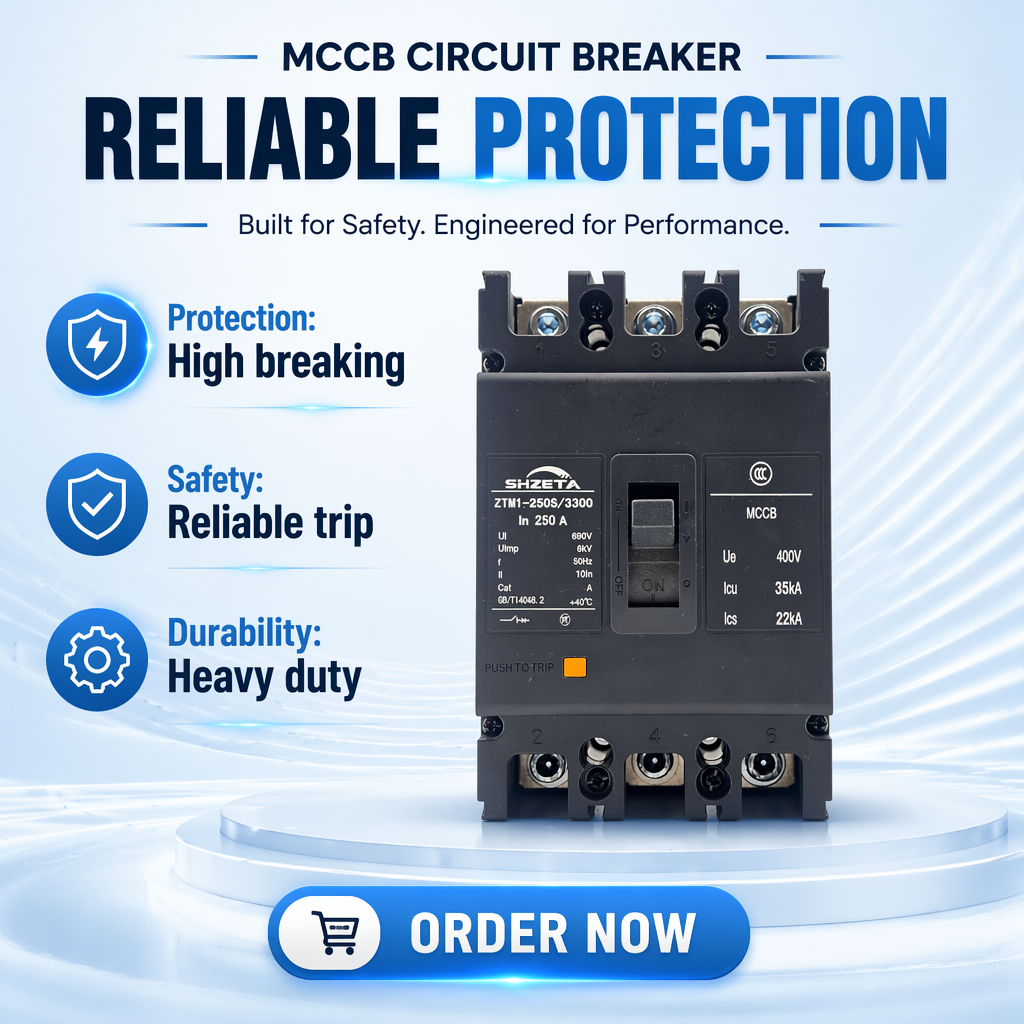
In low-voltage distribution design, downstream MCBs must clear short-circuit faults before the upstream feeder Moulded Case Circuit Breaker (MCCB) trips. Partial discrimination occurs when an extreme fault causes both breakers to open, dropping power to the entire switchboard. By calculating the Energy Let-Through (I²t) of our DZ47 MCB units, design engineers ensure the let-through energy stays comfortably below the pre-arcing energy of upstream MCCBs or ACBs.
Cascading (Back-Up Protection) Economics
Cascading allows a downstream breaker with a lower nominal breaking capacity (e.g., 6kA) to be installed in a circuit where prospective fault current reaches 15kA, provided an upstream Graybar MCCB limits the fault peak. This engineering synergy slashes the bill-of-materials capital cost of panel boards by up to 28% while maintaining full IEC 60947-2 compliance across high-density residential towers.
Accelerate Your Low-Voltage Component Procurement
Direct from Zhejiang Graybar Electric Co., Ltd. Get complete technical data sheets, type-test certificates, factory inspection reports, and container FOB pricing from our dedicated export engineering desk.
Get Catalog